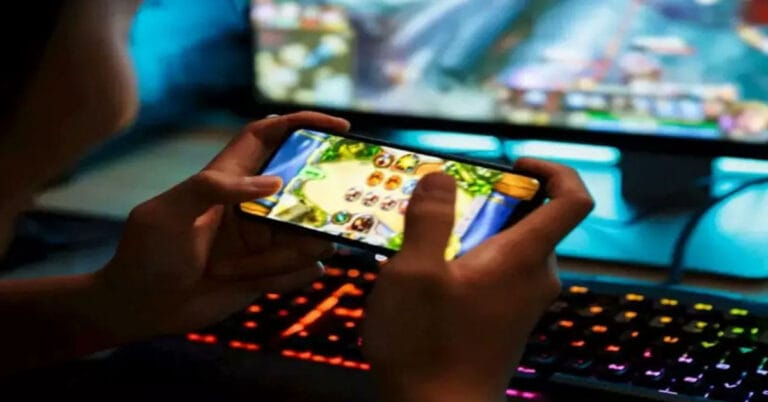

India’s booming online gaming sector witnessed another major shift on Thursday as gaming platform Zupee announced it will discontinue all online money games in compliance with the newly passed Promotion and Regulation of Online Gaming Bill, 2025.
While this move marks the end of Zupee’s money-driven gaming offerings, the company reassured its massive user base that its most loved games — including Ludo Supreme, Ludo Turbo, Snakes & Ladders, and Trump Card Mania — will continue to remain available for free.
The decision comes as a response to stricter government regulation that targets the harmful impact of online money games on society, particularly among India’s youth and middle-class families.
Popularity of Zupee and Its Celebrity Ambassadors
Founded in 2018, Zupee has rapidly become a household name in India’s online gaming industry. Its innovative approach of gamifying traditional board games such as Ludo and Snakes & Ladders helped it stand out in the crowded mobile gaming space.
The company’s growth was fueled not just by its unique offerings but also by its partnerships with Bollywood stars. Over the years, Zupee roped in high-profile brand ambassadors like Salman Khan, Saif Ali Khan, and Kapil Sharma to promote its games, further cementing its visibility across India’s urban and rural markets.
The inclusion of celebrities played a crucial role in normalizing online games as a form of mass entertainment. However, with the government’s new legislation, Zupee — like many others — has been forced to pivot away from money-based games.
Why the Ban? Government’s Concerns Over Money Games
The Promotion and Regulation of Online Gaming Bill, 2025, passed in both the Lok Sabha and the Rajya Sabha during the Monsoon Session of Parliament, seeks to promote healthy gaming while curbing the risks of online money games.
Introducing the bill in the Rajya Sabha, Ashwini Vaishnaw, Minister of Electronics and IT, said the legislation would safeguard two-thirds of the online gaming industry while targeting harmful segments.
He strongly criticized money-driven online games, calling them a “public health risk.”
He further noted that the World Health Organization (WHO) has recognized excessive gaming as a disorder, underscoring the dangers of addiction and financial loss associated with money-based platforms.
The Industry-Wide Impact
Zupee is not alone in making this change. Leading platforms like Dream11 and Mobile Premier League (MPL) have also announced that they will discontinue money games.
- Dream11 reportedly informed its employees about the move during a company-wide town hall on August 20.
- MPL, on the other hand, released an official statement on August 21, outlining its compliance with the new law.
The gaming industry in India, valued at over ₹23,000 crore, has grown exponentially over the past decade. However, a significant chunk of this growth was fueled by money games, particularly fantasy sports and betting-style formats. With the new law in place, the industry is set to undergo a massive transformation.
The Social Dimension of the Ban
Money-driven gaming has been under scrutiny for years in India. Several states had already attempted to regulate or outright ban real-money games after reports of mounting debts, suicides, and family conflicts tied to gaming addiction surfaced.
The government’s decision to frame a nationwide law was spurred by concerns over:
- Addiction: Young players reportedly spend hours online, unable to disengage from money-driven games.
- Financial Losses: Families, especially in the middle class, have lost savings and assets due to addictive money games.
- Public Health Risks: Psychologists and medical professionals have flagged online gaming addiction as a mental health crisis.
By outlawing money games, the government hopes to protect citizens from these risks while still encouraging innovation in the free-to-play gaming market.
For the 150 million registered users on Zupee, the changes mean they can no longer compete in paid games where money was at stake. However, all free-to-play titles will continue without interruption.
Popular offerings like Ludo Supreme and Snakes & Ladders have long been favourites, especially among casual gamers who play primarily for entertainment rather than monetary gain. Zupee is expected to double down on enhancing the free gaming experience, possibly introducing new features and formats to retain engagement.
The Road Ahead for Zupee and Indian Gaming
While the ban on money games poses challenges, it also opens opportunities. Companies like Zupee now have the chance to:
- Innovate in Free Gaming: Enhance gameplay, graphics, and features to retain players.
- Explore Ad-Supported Models: Monetize platforms via advertising and partnerships instead of player deposits.
- Promote Responsible Gaming: Build credibility by aligning with government initiatives and ensuring user well-being.
Zupee has already indicated that its future lies in creating engaging, responsible, and non-monetary gaming experiences.
For the wider industry, the Bill could encourage innovation in casual and skill-based free games, fostering a healthier gaming culture in India.
Zupee’s decision to discontinue online money games marks the end of an era but also reflects the beginning of a new phase for India’s gaming ecosystem. By retaining its popular free titles and focusing on responsible entertainment, the platform has shown adaptability in the face of strict regulation.
With the government’s Online Gaming Bill 2025 now in effect, companies like Zupee, Dream11, and MPL are reimagining their futures. The days of money-driven games may be over, but the appetite for fun, casual, and free-to-play gaming in India remains stronger than ever.
As the industry evolves, one thing is clear: India’s 150 million gamers will continue to play — but with fewer risks and a greater emphasis on entertainment over earnings.


 By
By