

The story of Maureen Slough, a 58-year-old woman from Cavan, Ireland, has drawn deep attention and heartbreak after it was revealed that what she told her family was a “vacation” was, in fact, a journey to Switzerland to end her life through assisted suicide. The incident, which unfolded in July, has left her family devastated and questioning how such a life-altering decision was carried out in secrecy.
A Vacation With a Hidden Purpose
On July 8, 2024, Maureen told her family she was heading to Lithuania with a friend for a short vacation. However, unknown to most of her loved ones, she had different plans. Two of her closest friends were aware that her actual destination was Switzerland, where she intended to undergo assisted suicide.
Table of Contents
Her daughter, Megan Royal, only discovered the truth the next day through a message from one of her mother’s friends. Speaking to the Irish Independent, Megan recalled the moment with disbelief and fear.

“A close friend of hers messaged me on Wednesday night, possibly around 10 pm, while I was in bed with my baby. He said, ‘Your mom’s in Switzerland. You have a right to know. I was sworn to secrecy, but she’s there and she wants assisted suicide.’ I was so scared at that moment,” Megan said.
The Painful Confirmation
Megan immediately reached out to her father, who tried desperately to contact Maureen in Switzerland. But within 24 hours, the devastating news arrived. Megan received a WhatsApp message informing her that her mother had died.
“What was worse was not only did I get the text on WhatsApp, they also told me that her ashes would be posted to me in six to eight weeks,” she explained. “I just sat there with my baby and cried. I felt like my world ended.”
The message came from Pegasos, an assisted dying nonprofit based in Liestal, Switzerland, which facilitates assisted suicides for international patients.
The Legal Landscape in Switzerland
Switzerland has one of the most permissive assisted dying frameworks in the world. Assisted suicide has been legal since 1942 under strict conditions, provided that the person administers the life-ending medication themselves.
This makes it different from euthanasia, which is illegal in Switzerland and involves a third party directly administering the drugs. Organizations like Pegasos, Dignitas, and Exit International provide guidance and medical access for those who choose this path, including foreign nationals who meet their requirements.
According to reports, Maureen had quietly filed an application with Pegasos and paid nearly €20,000 (approx. ₹17.8 lakh) for the procedure.
Family Shocked by Secrecy

For Maureen’s family, the discovery has been both traumatic and confusing. They claim they were left entirely in the dark and are now questioning how Pegasos allowed the process to proceed without consulting close relatives.
Maureen’s brother, Philip Slough, a solicitor in the UK, has formally written to the Foreign, Commonwealth and Development Office (FCDO), requesting a full investigation into Pegasos’s handling of the case. He argues that the nonprofit disregarded its own policy of keeping families informed.
“We deserve answers about how this was allowed to happen,” Philip said. “Families should not be blindsided like this.”
A History of Struggles
Megan describes her mother as a “fiery, smart and dedicated woman” who deeply loved her family. However, she also acknowledged that Maureen battled mental health challenges for many years.
She had previously attempted suicide following the loss of her two younger sisters, tragedies that deeply affected her emotional state. Despite her struggles, Megan insists that her mother’s situation did not justify such an irreversible decision.
READ ALSO- UP Woman Jumps Off Roof on Camera After Husband’s Dare
“No one’s saying she wasn’t in pain,” Megan said. “But not pain good enough to go and end her life. She had so much more to live for, and so much more to give. She was just in a dark time. She wasn’t terminally ill, or in my opinion, ill enough to justify going through with this and leaving our family behind like that.”
The Aftermath of Grief
The return of Maureen’s ashes in early August brought another wave of pain to her family. By the end of the month, they held a funeral and laid her to rest alongside her two late sisters.
“We’re going to bury her with her sisters,” Megan shared, adding that the grief has been overwhelming. “I still can’t come to terms with the fact that she’s gone. Every day feels like I’ve lost a part of myself.”
Assisted Suicide Debate Rekindled
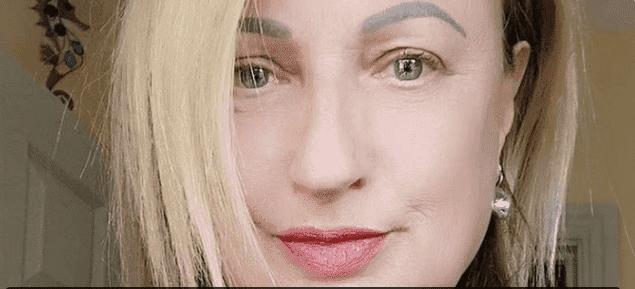
Maureen’s case has reignited conversations about the ethics of assisted suicide, particularly concerning people with mental health conditions rather than terminal illnesses. While supporters argue for the right to die with dignity, critics say such laws can be misused, particularly when vulnerable individuals are involved.
In Ireland, assisted suicide remains illegal, though debates around its legalization continue. For families like Megan’s, the emotional cost raises questions about whether the decision should involve closer family consultation and whether enough safeguards exist to protect vulnerable individuals.
A Family Searching for Closure
Even as they mourn, Maureen’s family continues to push for accountability. Megan says her focus is on preserving her mother’s memory as a loving parent while also ensuring that no other family experiences the same shock.
“She was my mom, and I loved her,” Megan said. “I don’t want people to only remember her for how she died, but also for the person she was—kind, passionate, and full of fire. But I also don’t want anyone else to get a WhatsApp message telling them their mom has died and that her ashes will be mailed to them. That’s not how a family should learn about something like this.”
The heartbreaking story of Maureen Slough is not only a deeply personal tragedy for her family but also a moment that sparks renewed debate about assisted suicide, secrecy, and family rights. For Megan and her loved ones, the grief of losing a mother under such circumstances is coupled with the unanswered questions of how and why it was allowed to happen in silence.
As they continue to seek closure, their voices join the broader global discussion on the ethics and boundaries of assisted dying.


 By
By


 binance open account says:
 código binance says: