
Climate activist Sonam Wangchuk, who ended his 15-day hunger strike, has been accused by the Centre of inciting violence in Ladakh through provocative speeches. Authorities stated that while talks with Ladakhi groups have already yielded some gains through the High-Powered Committee, recent unrest has overshadowed progress.
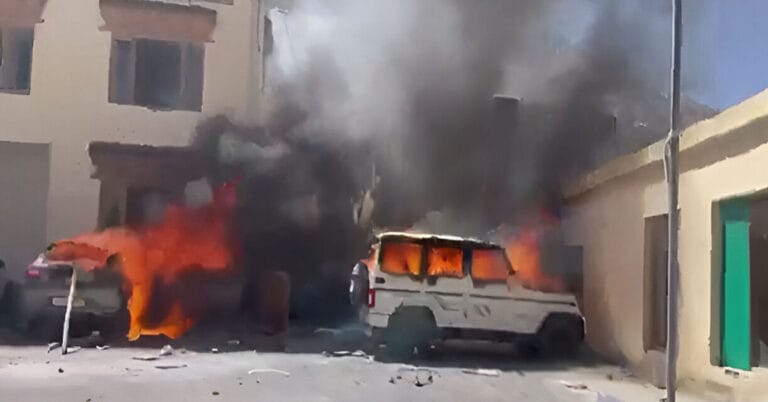
The situation in Ladakh escalated on Wednesday when protests demanding statehood and Sixth Schedule status turned violent. Demonstrators clashed with police, set fire to a local BJP office in Leh, and forced a shutdown across the region. In response, security forces opened fire in self-defence, leaving several casualties and injuring more than 30 personnel.
Table of Contents
Shutdown Turns Violent in Leh
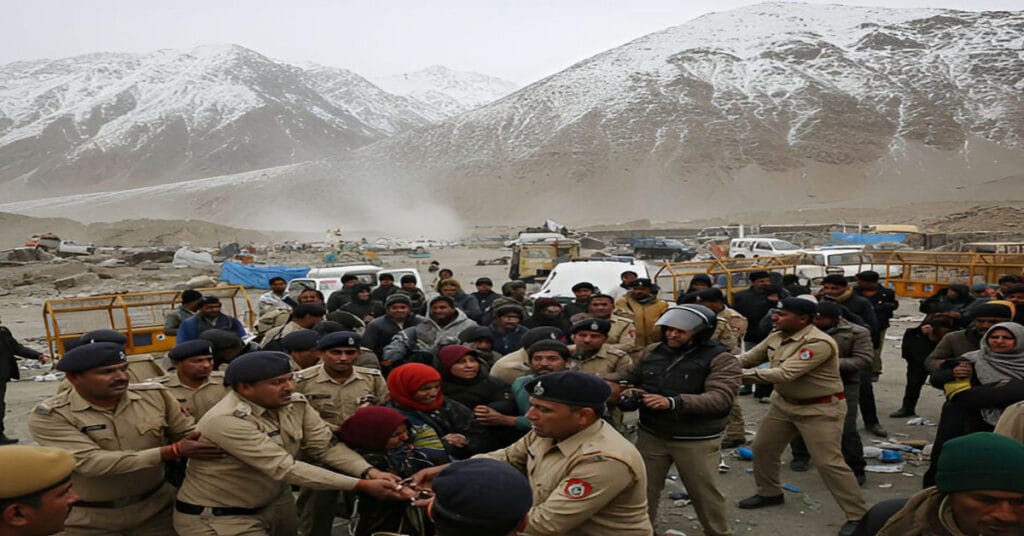
The Leh Apex Body’s (LAB) youth wing had called for the massive shutdown following deteriorating health conditions of hunger strikers. On Tuesday, two of the 15 people observing a 35-day hunger strike since September 10 were shifted to hospital, prompting widespread anger.
Wangchuk, who had been leading the movement, announced the end of his 15-day fast, but his symbolic protest had already galvanized thousands. The shutdown soon spiraled out of control, turning into one of the most violent episodes in Ladakh in recent years.
Why Are Ladakhis Protesting?
The roots of the unrest lie in Ladakh’s political and legal status since the abrogation of Article 370 in August 2019. Under the Jammu and Kashmir Reorganisation Act, the former state was bifurcated into two Union Territories:
- Jammu and Kashmir, which retained a legislative assembly.
- Ladakh, which was placed directly under central administration without a legislature.
This move has left Ladakh without meaningful political representation or autonomy, triggering long-standing grievances.
Demand for Sixth Schedule Status
A central demand of protesters is the inclusion of Ladakh under the Sixth Schedule of the Indian Constitution. This provision grants tribal-majority areas greater legislative and financial autonomy through autonomous district councils.
The demand has strong backing, as over 90% of Ladakh’s population belongs to Scheduled Tribes. Advocates argue that Sixth Schedule status is essential to protect Ladakh’s cultural identity, fragile environment, and land rights from external pressures.
Government’s Stand and Ongoing Talks
The Centre has emphasized that dialogue remains the only constructive way forward. A fresh round of talks is scheduled for October 6, involving representatives from the Leh Apex Body (LAB) and the Kargil Democratic Alliance (KDA).
Officials claim that previous discussions with the High-Powered Committee have already led to some policy-level gains for Ladakh, though details remain limited. The government continues to stress that unrest and violence will only derail progress, while peaceful dialogue offers a path toward addressing Ladakh’s aspirations.
Security Measures and Curfew in Ladakh
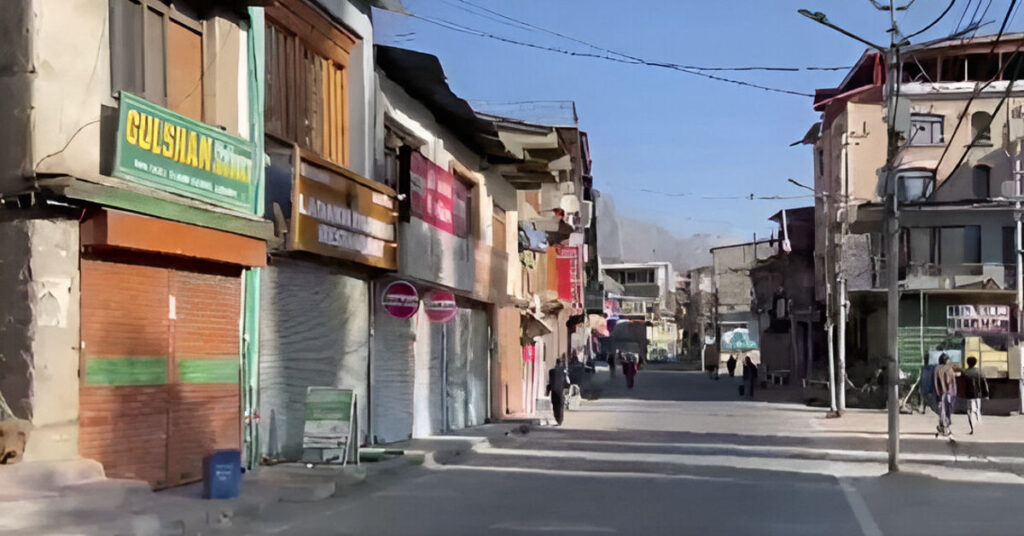
Following Wednesday’s violent clashes, authorities imposed a curfew in Leh and other sensitive towns. Heavy deployment of security forces has been ordered to prevent further escalation. More than 50 people have been detained, and restrictions on gatherings remain in place to maintain order.
Despite the curfew, the situation remains tense as residents continue to demand clear assurances from the Centre on statehood and constitutional safeguards.
The Symbolism of Hunger Strikes
The hunger strike has emerged as a powerful form of resistance in Ladakh. Sonam Wangchuk’s decision to fast for 15 days drew national and international attention to Ladakh’s struggle. His leadership, combined with the ongoing 35-day hunger strike by local activists, has turned the movement into a symbol of Ladakhi unity and resilience.
READ ALSO- 1:10 Stock Split: Tata Group Shares Rally After Record Date Fixed
While Wangchuk has ended his personal fast, the protests reflect a broader frustration that goes beyond individual leaders. For many Ladakhis, the hunger strikes represent a fight for identity, autonomy, and survival in one of India’s most strategically sensitive regions.
What Lies Ahead for Ladakh?
The coming weeks will be crucial in determining Ladakh’s future. If the October 6 talks succeed, it could pave the way for significant reforms, including possible constitutional recognition under the Sixth Schedule.
However, if the dialogue stalls, Ladakh may witness further protests and instability. With its strategic location near India’s borders with China and Pakistan, unrest in Ladakh carries both domestic and geopolitical implications.
The unrest in Leh underscores Ladakh’s unresolved political questions. As climate activist Sonam Wangchuk’s hunger strike and the LAB-led shutdown highlight deep frustrations, the region is at a crossroads.
Ladakhis want statehood and Sixth Schedule protections to safeguard their identity and resources. The Centre faces the challenge of balancing security, development, and constitutional demands. Whether the upcoming talks lead to meaningful reforms will determine if Ladakh moves toward stability or faces prolonged unrest.


 By
By