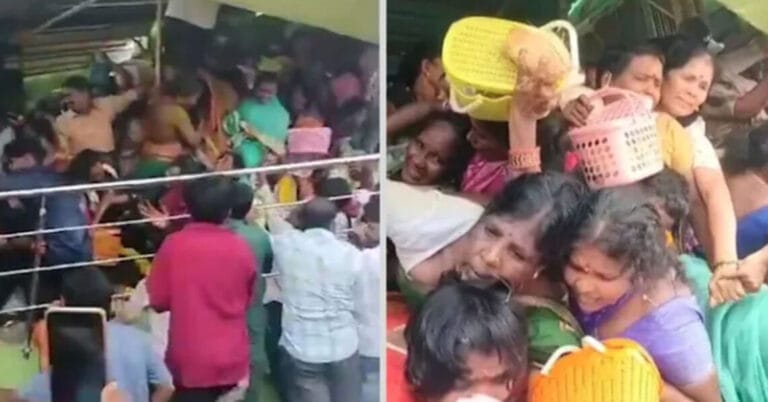

A tragic stampede at the Venkateswara Temple in Kasibugga, located in Andhra Pradesh’s Srikakulam district, claimed the lives of eight women and a 13-year-old boy on Saturday morning. The incident, which occurred during the auspicious Ekadashi festival, left 31 others injured and has sparked outrage over poor crowd management and negligence by temple authorities.
How the Stampede Happened
According to local officials, the privately owned temple sees heavy footfall on Saturdays, and the festival day drew an unusually large crowd of devotees. The tragedy unfolded when a rush began in the women’s queue as devotees tried to move closer for darshan.
Table of Contents
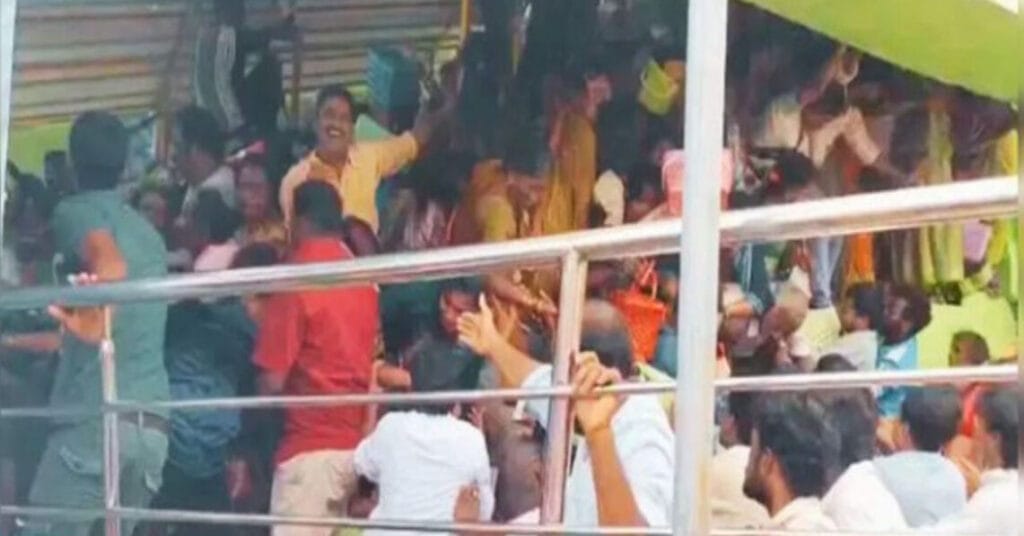
In his report to the state government, the Palasa Mandal Revenue Officer said, “Since the entry and exit routes were the same, and the steel railings that were set up collapsed, people rushed in all at once, leading to a stampede.” The collapse of the temporary barricades caused panic, with devotees falling on top of one another.
Authorities believe the accident was aggravated by the lack of separate entry and exit points and insufficient crowd control arrangements. The area where the incident occurred was reportedly under construction, and the crowd-control structures were makeshift.
Negligence Allegations and Political Reactions
Chief Minister N. Chandrababu Naidu expressed deep sorrow over the loss of lives and accused the temple management of negligence. Speaking at a public gathering in Sri Sathya Sai district, Naidu said, “It is extremely painful that innocent people lost their lives in the stampede. Unfortunately, the organisers did not inform the police or local authorities about the event. Had they done so, we would have provided police protection and controlled the crowd.”
The Chief Minister has ordered a high-level inquiry into the incident and promised strict action against those responsible. He also emphasized the need for proper communication between temple authorities and local police to prevent such tragedies in the future.
However, former YSRCP minister and ex-Palasa MLA Seediri Appalaraju refuted Naidu’s claim. He alleged that the temple management had, in fact, informed the police about the expected crowd but that “not enough officials were sent to manage the situation.”
Police Action and Investigation
Following the tragedy, the temple owner, Hari Mukunda Panda, was booked under charges of culpable homicide. Officials said the investigation would focus on three main aspects:
- Overcrowding: The turnout of devotees was far higher than expected, and no additional arrangements were made to handle the rush.
- Design flaws: The temple’s entry and exit points were the same, creating a bottleneck that worsened the crowd surge.
- Weak infrastructure: The area where the stampede occurred was under construction, and temporary railings gave way under pressure.
A police official said, “The temple is spread over 12 acres, but the movement pathways were narrow and lacked proper separation between entry and exit. The railings collapsed when devotees began pushing forward.”
Recurring Pattern of Tragedies
This deadly incident marks the third temple-related stampede in Andhra Pradesh in 2025 alone, highlighting a worrying pattern of inadequate safety measures.
- January 8, 2025: Six devotees were killed and many injured in Tirupati after chaos erupted at a ticket counter distributing special darshan passes for the Lord Venkateswara temple.
- April 30, 2025: Seven people died and six were injured when a newly constructed wall collapsed at the Sri Varaha Lakshmi Narasimha Swamy Temple in Visakhapatnam during the Akshaya Tritiya festival.
Despite these repeated tragedies, several crowd-control measures discussed earlier by the Endowments Department were not properly implemented.
Ignored Safety Recommendations
After the January incident, Chief Minister Naidu had held meetings with temple authorities to ensure better crowd management. Officials had recommended several key steps, including:
- Setting up separate entry and exit routes in temples.
- Installing railings, barricades, and diversions to control crowds.
- Deploying security personnel and volunteers on busy days like weekends and festivals.
- Avoiding waiting-area gatherings and ensuring smooth movement at footwear counters.
- Preventing sudden crowd surges by regulating announcements about prasad or coupon distribution.
However, according to officials, most temples — especially privately managed ones like Kasibugga — did not implement these measures.
One Endowments Department official admitted, “A majority of our temples are very old and designed with a single entry and exit. Modifications are difficult due to structural and religious constraints. Private temples, meanwhile, often operate outside departmental oversight.”
Locals Demand Accountability
Local MLA Sireesha said the temple was built a few months ago by a local landlord who managed it with his family. Devotees from nearby towns and villages frequently visited the temple due to its growing popularity.
READ ALSO- President Trump Departs for Washington After Meeting Chinese President Xi in South KoreaResidents have now called for tighter regulation of private temples and mandatory safety inspections before major religious events.
As the state government begins its inquiry, experts stress the urgent need for a comprehensive temple safety policy. Crowd-control infrastructure, coordination with police, and real-time monitoring systems could prevent similar disasters.
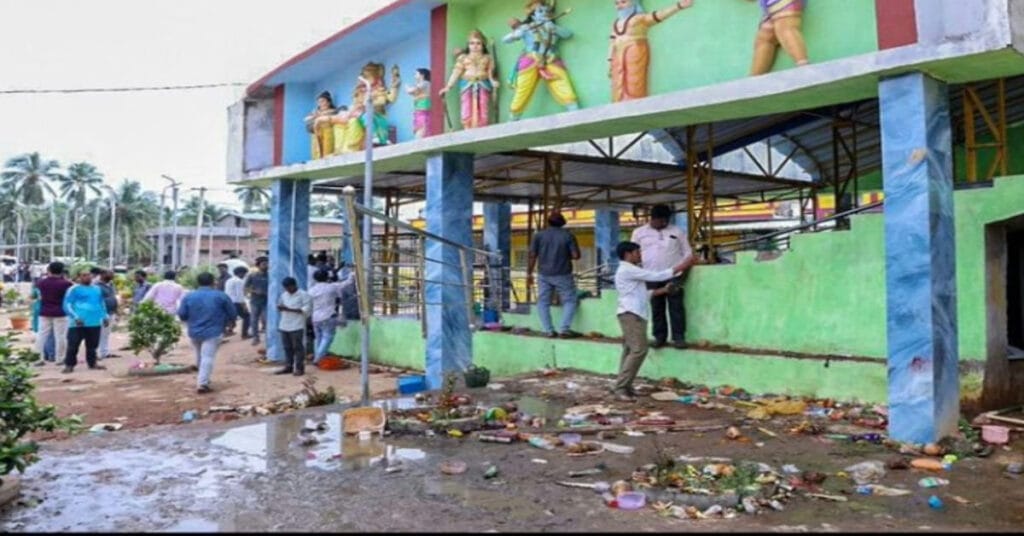
The tragic stampede at the Venkateswara Temple serves as a grim reminder of the urgent reforms needed in managing large gatherings during religious occasions. For now, families of the victims await justice — and devotees across Andhra Pradesh hope the lessons from this tragedy will not be forgotten again.


 By
By

 binance sign up says: