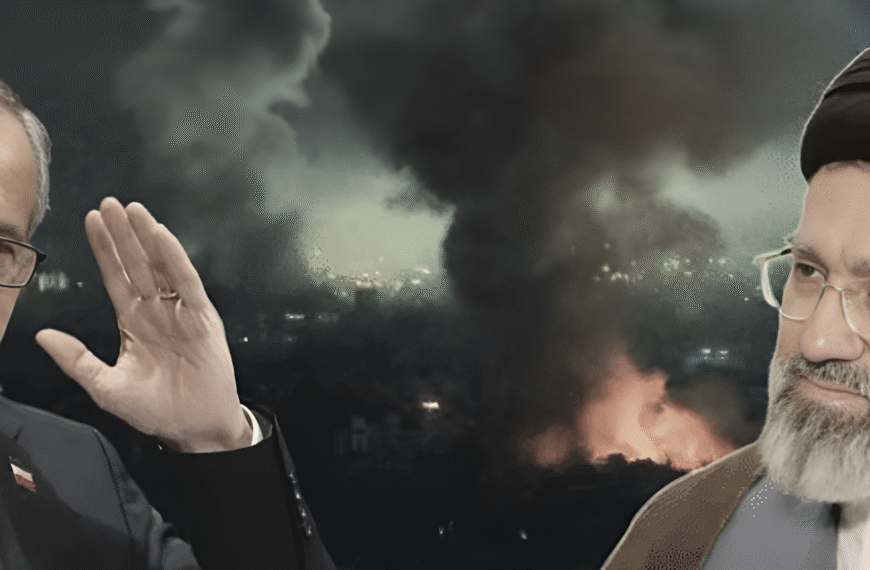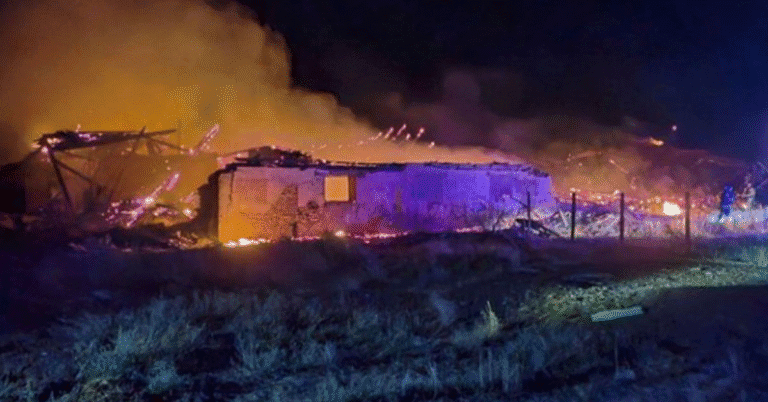

At least three people have been killed and more than 30 injured after Russia launched a “massive” overnight aerial assault on Ukraine, President Volodymyr Zelensky confirmed on Saturday. The large-scale attack struck multiple regions, targeting both civilians and infrastructure in what Kyiv described as a deliberate campaign of intimidation.
Zelensky: Attack Aimed at Civilians and Infrastructure
Table of Contents
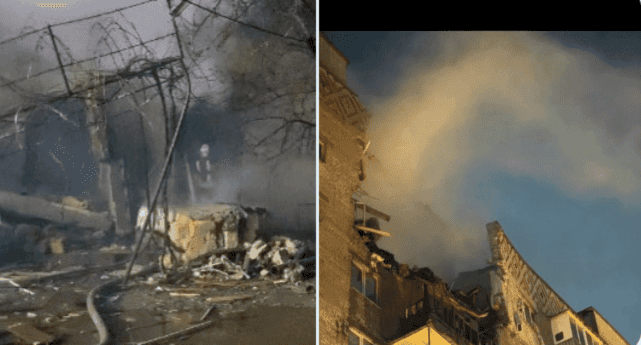
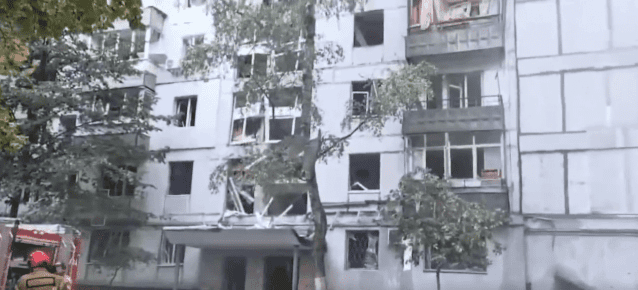
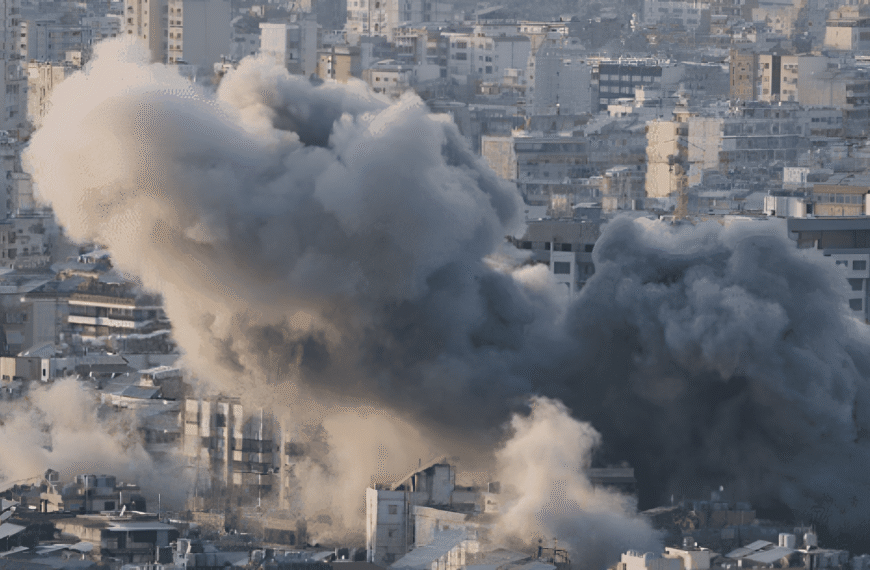
President Zelensky said Russia’s overnight strikes were part of a “deliberate strategy” designed to terrorize civilians and weaken Ukraine’s critical infrastructure. He reported that residential areas were hit, with one missile striking a high-rise apartment block in Dnipro, causing severe damage and civilian casualties.
The president named Dnipropetrovsk, Mykolaiv, Chernihiv, Zaporizhzhia, Poltava, Kyiv, Odesa, Sumy, and Kharkiv as the worst-affected regions.
In Dnipro, he added, a missile carrying cluster munitions hit a residential building directly, leaving behind a trail of destruction. Verified footage shows a missile streaking across the night sky before impact, alongside images of a badly damaged building.
Scale of the Russian Attack
Ukraine’s air force described the bombardment as unprecedented in scale, reporting that Moscow launched 619 drones and missiles during the assault. Russia’s defence ministry, however, defended the attack, calling it a “massive strike” using “precision weapons” aimed at destroying Ukraine’s military-industrial facilities.
Kyiv rejected that claim, emphasizing that civilians and civilian facilities bore the brunt of the strike.
Russian Casualties from Ukrainian Drone Strikes
While Ukraine reeled from the overnight bombardment, Russia reported casualties from Ukrainian counterstrikes. Vyacheslav Fedorishchev, governor of Russia’s Samara region, confirmed that four people were killed and one injured after Ukrainian drones hit the area.
Ukraine’s military claimed responsibility, saying its drones struck the Novokuibyshevsk oil refinery in Samara. Kyiv also announced that another refinery in the Saratov region was damaged during the same wave of overnight raids.
These drone strikes are part of Ukraine’s broader campaign to weaken Russia’s energy sector and disrupt its war logistics.
Cross-Border Drone Warfare Intensifies
Cross-border drone raids have become a defining feature of the war. In July, Ukrainian drones forced the temporary closure of all Moscow airports, highlighting Kyiv’s ability to penetrate deep into Russian territory.
Ukraine has increasingly targeted Russian oil and industrial facilities, which it views as key to sustaining Moscow’s war effort. These strikes not only impact Russia’s economy but also aim to create pressure on the Kremlin’s military supply chains.
Russia Escalates Aerial Strikes on Ukraine
Moscow, in turn, has ramped up its aerial attacks on Ukraine in recent weeks. Earlier this month, Ukraine’s government headquarters in Kyiv was hit by what authorities said was a Russian Iskander cruise missile.
Despite calls from Kyiv and its Western allies, including the United States, for a ceasefire, Russia shows no signs of easing its aerial campaign.
Diplomatic Developments: Zelensky to Meet Trump
On the diplomatic front, President Zelensky announced he plans to meet U.S. President Donald Trump on the sidelines of the United Nations General Assembly (UNGA) in New York next week.
The announcement comes weeks after Trump hosted Russian President Vladimir Putin in Alaska for talks aimed at negotiating a potential peace deal. However, no agreement was reached during that meeting, leaving the conflict to escalate further.
NATO Alarm Over Russian Airspace Violations
The latest assault on Ukraine came just a day after Estonia requested urgent consultations with other NATO members, alleging that Russian fighter jets violated its airspace for 12 minutes before being intercepted. Moscow denied the allegation.
ALSO READ- Indian Techie Killed by US Police After Allegedly Stabbing Roommate
This follows recent reports from Poland and Romania—both NATO members—that Russian drones crossed into their airspace earlier this month, raising fears of a wider regional conflict.
A War of Escalation

Since President Putin launched the full-scale invasion of Ukraine in February 2022, the war has steadily escalated into one of attrition and aerial dominance. Russia’s use of missiles and drones against civilian areas, alongside Ukraine’s counter-attacks on Russian oil refineries, illustrates how both sides are expanding their military reach.
The latest overnight strikes and counterstrikes underscore the dangerous cycle of escalation, drawing in NATO concerns and complicating already fragile diplomatic efforts.
As Zelensky prepares for high-level talks in New York, the Ukrainian president is expected to push for stronger Western support, particularly in air defense systems, to protect civilians from future Russian bombardments.


 By
By

 binance anm"alan says: