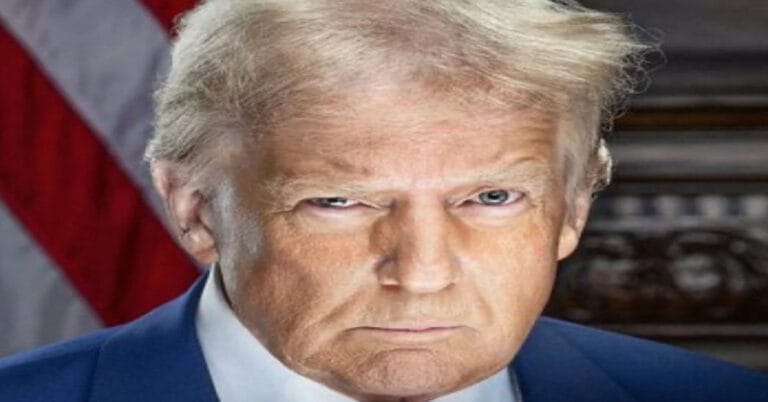

For the past few days, social media has been buzzing with an unusual phrase: “Trump Is Dead.” The hashtag and posts using the words have been dominating conversations on X (formerly Twitter), sparking confusion, speculation, and a flood of memes. Unlike the typical trends surrounding Donald Trump—tariffs, policy announcements, or fiery speeches—this one is centered on rumors of the former U.S. president’s death.
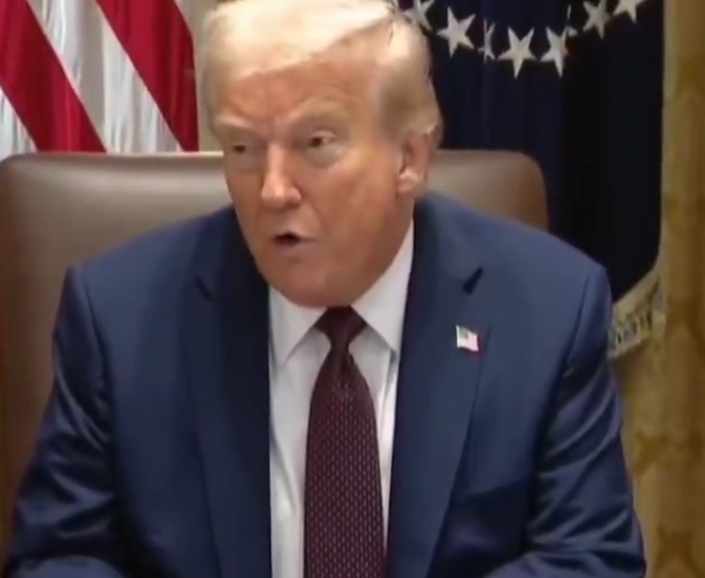
So, why exactly is “Trump Is Dead” trending? The answer lies in a mix of political remarks, health updates, and even pop culture references that have stirred speculation in the digital world.
How the Trend Began: JD Vance’s “Terrible Tragedy” Remark
The roots of the viral phrase trace back to remarks made by Vice President JD Vance during an exclusive interview with USA Today on August 27. When asked whether he was prepared to assume the role of commander-in-chief if anything happened to Donald Trump, Vance acknowledged the possibility of unforeseen events while stressing that the 79-year-old president remained fit and energetic.
“He’s the last person making phone calls at night, and he’s the first person who wakes up and the first person making phone calls in the morning,” Vance said. “Yes, terrible tragedies happen. But I feel very confident the president of the United States is in good shape, is going to serve out the remainder of his term and do great things for the American people. And if, God forbid, there’s a terrible tragedy, I can’t think of better on-the-job training than what I’ve gotten over the last 200 days.”
The phrase “terrible tragedy” was enough to set the internet ablaze. Critics argued that it sounded more like a prediction than reassurance, while supporters dismissed the uproar as overblown. Still, in today’s viral-driven culture, it only took hours for the words to morph into a trend. The idea that the Vice President had publicly acknowledged the possibility of Trump’s death sent “Trump Is Dead” surging across .
Trump’s Health Concerns Add Fuel
The speculation was not born in isolation. Trump’s health has been a topic of public debate for months, and Vance’s comments landed at a time when concerns were already high.
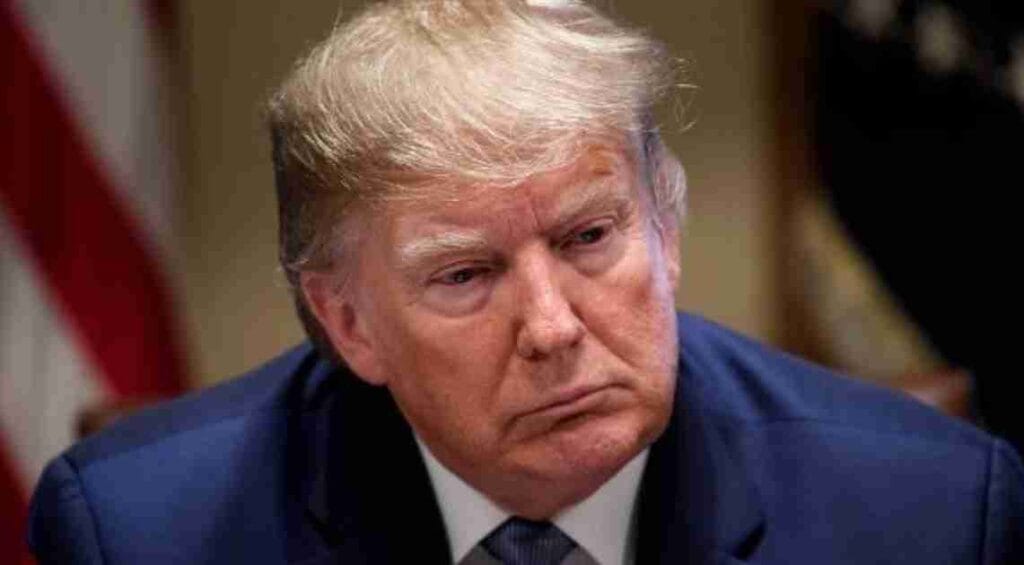
In July, the White House confirmed that Trump has chronic venous insufficiency, a condition that affects blood flow in the veins and causes swelling in the legs. Photos of Trump with visibly swollen legs had already circulated widely on social media, fueling gossip about his condition.
While medical experts noted that venous insufficiency is treatable and not typically life-threatening, the optics of the illness—combined with his age—were enough to give conspiracy theorists fresh material. The fact that Trump has survived two assassination attempts since announcing his campaign for a return to the White House only heightened the sense of drama surrounding his physical well-being.
ALSO READ- Gmail Under Siege: What 2.5 Billion Users Must Know About Evolving Cyberattacks
Thus, when Vance mentioned a “terrible tragedy,” many interpreted it as a veiled reference to Trump’s declining health or vulnerability. The online rumor mill did the rest.
The Simpsons Connection
Adding another strange twist, The Simpsons—a show notorious for its uncanny political predictions—played a role in amplifying the chatter.
During San Diego Comic-Con in July, the show’s creator, Matt Groening, joked about the long-running animated series eventually coming to an end. According to Variety (via Euronews), Groening quipped, “No, there’s no end in sight. We’re going to keep going. We’re going to go until somebody dies.”
He then added a line that instantly went viral: “When you-know-who dies, The Simpsons predicts that there will be dancing in the streets. Except President (J.D.) Vance will ban dancing.”
Given the show’s track record of eerie predictions—including Trump’s election victory in 2000 and a storyline about his re-election in 2015—Groening’s words were seized upon by fans and conspiracy theorists alike. For many, it seemed like confirmation that the “Trump Is Dead” trend had prophetic undertones, fueling speculation far beyond political circles.
A History of Death Hoaxes
This is not the first time rumors of Trump’s death have spread online. In fact, such hoaxes have become a recurring phenomenon in the digital age.
In September 2023, Donald Trump Jr.’s X account was hacked. The hacker posted a false message declaring that Trump had died and that Trump Jr. would be running for president in his father’s place. The fake claim spread rapidly before being debunked when Trump himself posted on Truth Social, assuring supporters that he was alive and well.
That incident served as a reminder of how quickly misinformation can spread, especially when it touches on a figure as polarizing and high-profile as Donald Trump. The latest trend appears to be a continuation of that pattern, blending satire, speculation, and misinformation into a viral storm.
The Power of Social Media Virality
What makes the “Trump Is Dead” trend particularly noteworthy is how it exemplifies the mechanics of virality in the social media era. A single phrase—in this case, JD Vance’s “terrible tragedy” remark—can be stripped of its original context, reinterpreted, and amplified until it becomes the center of global conversation.
On X, users engaged with the trend in varied ways. Some posted genuine concern, seeking news confirmation. Others mocked the rumor, creating memes and jokes about Trump’s resilience. A third group used the hashtag to criticize Vance or speculate on political succession scenarios.
In essence, the trend revealed not just anxieties about Trump’s health, but also the internet’s appetite for sensationalism and satire.
Political Implications
The episode also highlights the fragile political environment surrounding Trump’s return to power. At 79, Trump is among the oldest U.S. presidents in history, and questions about succession are inevitable. JD Vance, a relative newcomer to the national stage, is still shaping his image as Vice President. His remarks—intended to show readiness and loyalty—may have inadvertently sparked doubts rather than dispelling them.
The controversy could also shape public perception of Vance. While his supporters praise him for candor, critics argue that his phrasing was politically clumsy and created unnecessary speculation. Either way, the fact that a single comment could lead to days of trending discourse underscores the stakes of political communication in a hyper-connected era.
A Familiar Cycle
Ultimately, the “Trump Is Dead” trend may fade as quickly as it appeared, much like past hoaxes and rumors. But its significance lies in what it reveals about the intersection of politics, media, and public imagination.
Trump remains a figure who commands attention, whether through policy, controversy, or rumor. Health concerns, assassination attempts, and now death hoaxes keep him at the center of global conversation. And as long as his every move is magnified through the lens of social media, trends like this are bound to resurface.
The viral rise of “Trump Is Dead” illustrates how a simple phrase can spiral into a full-fledged digital phenomenon. Sparked by JD Vance’s “terrible tragedy” remark, amplified by Trump’s health issues, and given pop-culture fuel by Matt Groening’s comments, the trend reflects both the fragility of political narratives and the power of online rumor.
In a world where speculation spreads faster than facts, Trump’s name continues to guarantee clicks, debates, and viral storms—whether he is making policy, giving a speech, or, as in this case, simply being the subject of a rumor.


 By
By


 binance open account says:
 binance kod says: