

If you’ve ever wondered whether to steam or boil your vegetables, you’re not alone. It might seem like a small kitchen choice, but the method you use can make a big difference — not just in taste and texture, but also in how many nutrients your vegetables retain. Some methods make veggies soft and comforting, while others keep them crisp and fresh. So, which is truly better for your health — steaming or boiling? Let’s find out.
The Basics: Steaming vs Boiling
Both steaming and boiling are traditional cooking techniques that require no oil and are perfect for healthy, everyday meals. However, they work in very different ways.
Table of Contents
- Boiling means submerging vegetables directly in water. The high temperature cooks them quickly, making them tender and easy to mash or puree.
- Steaming, on the other hand, uses hot vapour from boiling water to cook the vegetables. The vegetables are placed in a steamer basket or colander above the water so they don’t come into direct contact with it.
Though both methods use heat and water, the results are quite different in terms of nutrition, colour, and taste.
Why Steaming Wins for Nutrition
When you steam vegetables, they are cooked gently with hot steam instead of boiling water. Because they don’t sit in the water, most of their vitamins and minerals stay intact.
Water-soluble vitamins — like Vitamin C and B-complex vitamins — are especially sensitive to heat and water. During boiling, these nutrients can leach out into the water, which you usually end up pouring away. Steaming helps lock these nutrients inside the vegetables, making them more nourishing.
For example, research has shown that steamed broccoli retains more Vitamin C than boiled broccoli. The same goes for other vegetables like spinach, peas, and carrots.
Colour, Texture, and Taste Matter Too
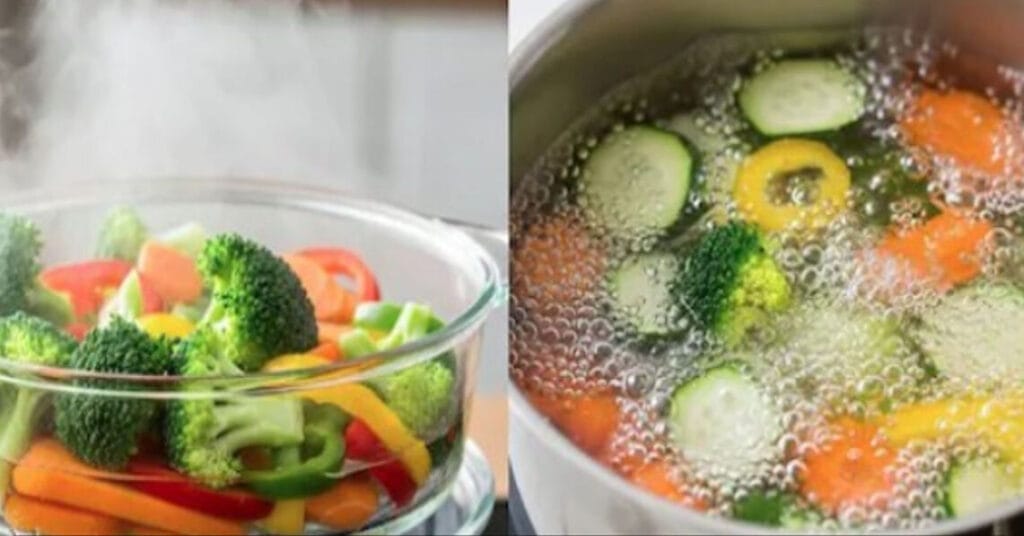
If you’ve noticed your broccoli turning dull green or your carrots losing their sweetness after boiling, the reason lies in the cooking method. Boiling can often overcook vegetables, stripping away their bright colour and firm texture.
Steaming, however, cooks them more evenly and gently. The result?
- Brighter colours – Greens remain vibrant, carrots turn richer, and beans stay glossy.
- Better texture – Vegetables stay crisp-tender instead of mushy.
- Fresher flavour – Since their natural juices and sugars aren’t lost to water, steamed vegetables taste subtly sweet and balanced.
In short, steamed vegetables look better, taste better, and offer more nutrients per bite.
When Boiling Still Works
That said, boiling isn’t all bad. It can be the right choice for certain recipes and situations.
- For soups and stews, where you consume the cooking water as broth, boiling doesn’t waste nutrients — they stay in the dish.
- For starchy vegetables like potatoes or sweet potatoes, boiling helps them cook evenly and develop a soft, comforting texture.
- For tough greens like collard or mustard leaves, boiling can help reduce their bitterness.
So, while steaming is often the healthier choice, boiling can still have its place in your kitchen depending on what you’re making.
ALSO READ- Malaika Arora Clarifies Her Age: “Thank You for Making My 50th Birthday Truly Special”A Few Pro Tips for Perfectly Steamed Veggies
- Don’t overcrowd the steamer: Leave some space so the steam circulates evenly.
- Add flavour naturally: Try adding lemon slices, garlic cloves, or herbs like thyme or rosemary to the steaming water. The gentle aroma will subtly infuse into your vegetables.
- Avoid over-steaming: Most vegetables only need 3–7 minutes. Overcooking can make them soggy and dull in colour.
- Add seasoning after steaming: A sprinkle of salt, a drizzle of olive oil, or a squeeze of lemon juice can make a huge difference in taste.
Final Verdict: Steaming Takes the Lead
While both steaming and boiling are healthy, steaming clearly comes out on top when it comes to retaining nutrients, colour, and texture. It helps preserve the natural goodness of vegetables without added fats or calories, making it ideal for a balanced diet.
Boiling, on the other hand, still has its uses — especially for soups, stews, or when you want a softer consistency.
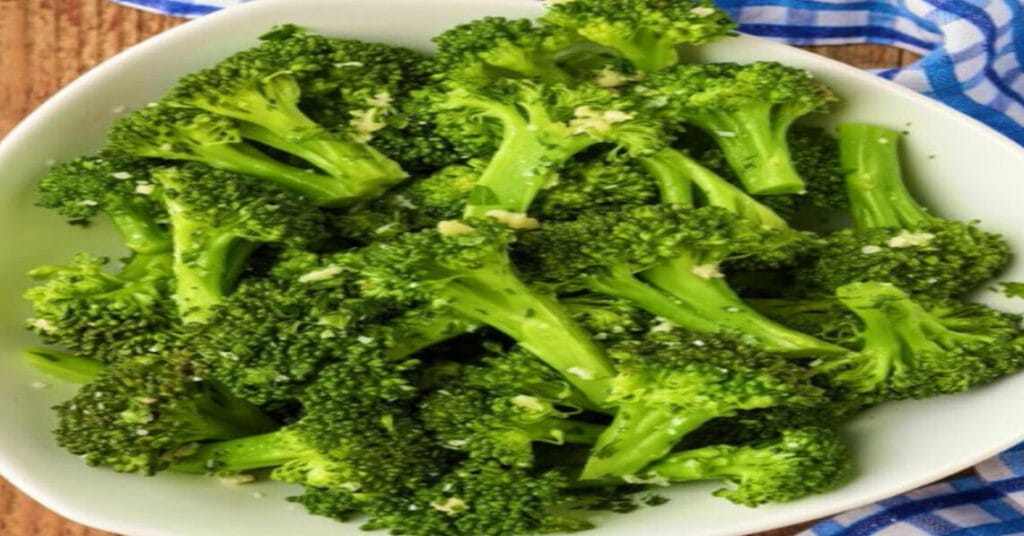
So, the next time you’re preparing your veggies, remember this simple rule: if you want to keep them bright, crunchy, and nutrient-rich — steam them. But if you’re cooking something hearty or comforting, boiling can still do the job beautifully.
Pro tip: Add a few drops of lemon juice or a pinch of herbs to your steaming water — it enhances both flavour and aroma without adding calories.


 By
By


 binance says: