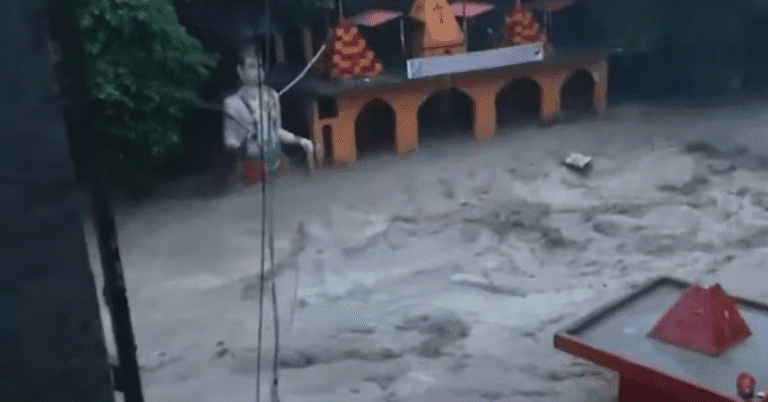

Heavy monsoon rains have triggered devastating floods in Dehradun district, Uttarakhand, causing significant damage to life, property, and infrastructure. The situation remains critical as rescue and relief operations continue to battle rising water levels and landslides in several affected areas.
Unprecedented Rainfall Leads to Flooding
Table of Contents
Dehradun district experienced unprecedented rainfall over the past 48 hours, with some areas recording over 300 mm of rain in a short span of time. The sudden and intense downpour led to rivers and streams swelling rapidly, surpassing their carrying capacity. The tons of rainwater could not be drained properly due to blocked drainage systems and overflowing riverbanks, leading to flash floods in many parts of the district.
Worst-Affected Areas
The worst-hit regions include Raipur, Mussoorie, Chakrata, and parts of Dehradun city itself. Low-lying areas and neighborhoods close to the Tons, Song, and Suswa rivers were submerged. Roads connecting remote villages have been washed away or severely damaged, cutting off communication and transportation links. Several houses in these regions were either partially or fully submerged, displacing hundreds of families.
Human and Animal Toll
Authorities have confirmed at least 15 human casualties so far, with dozens injured and several others missing. Many residents were trapped in their homes as floodwaters surged through streets without warning. Rescue teams from the National Disaster Response Force (NDRF) and State Disaster Response Force (SDRF) have been deployed to evacuate stranded people using boats and helicopters.
The floods also severely impacted livestock and wildlife. Numerous cattle and domestic animals perished or went missing. In forested areas near the hills, wildlife including deer and smaller animals were swept away by strong currents, raising concerns about ecological imbalance.
Infrastructure and Property Damage

Infrastructure has suffered massive damage. Key roads, including parts of National Highway 72, have been washed away or blocked due to landslides. Electricity supply in affected regions is disrupted, leaving many without power for over 24 hours. Water supply systems have been contaminated, raising fears of waterborne diseases.
Houses, schools, and small businesses suffered extensive damage. Temporary shelters have been set up by the local administration to accommodate displaced residents. The estimated property loss runs into several crores of rupees, although an exact figure is yet to be determined.
Rescue and Relief Efforts Underway
Rescue operations are ongoing, with NDRF and SDRF personnel working around the clock to evacuate stranded residents and provide immediate medical care. The Uttarakhand government has announced relief packages for affected families, including financial assistance, free ration kits, and temporary shelters.
Helicopters are being used to airlift people from inaccessible areas, while boats navigate the flooded streets to rescue those trapped. Medical teams are on standby to treat injuries and prevent the spread of diseases like cholera and dengue, which tend to rise after floods.
Government Response and Public Appeal
The state government has urged residents to avoid venturing into flooded areas and follow official instructions for safety. The Chief Minister has called for an emergency meeting to assess the situation and coordinate efforts with central agencies.
READ ALSO- Rajasthan Woman Travels 600 Km to Meet Lover, He Murdered Her
Public awareness campaigns are underway, advising people to stay indoors, boil drinking water, and maintain hygiene. Authorities are also focused on clearing debris and unclogging drainage systems to prevent further waterlogging.

Recovery and Precautions
Experts warn that more rainfall is expected in the coming days, which could worsen the situation. Authorities are monitoring dam levels and river flow continuously. The government is planning long-term measures to improve flood management infrastructure, including better drainage systems and river embankments.
Meanwhile, citizens are urged to remain cautious, cooperate with rescue teams, and report any emergencies immediately. The road to recovery will be long, but coordinated efforts between the government, relief agencies, and local communities offer hope in these challenging times.


 By
By

 Daftar di Binance says: