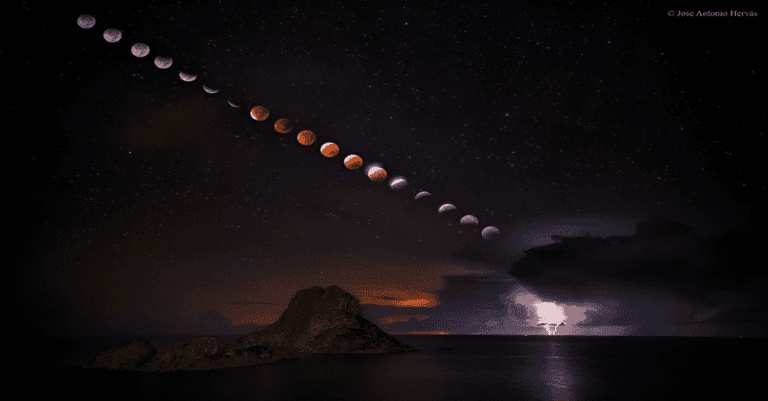

A total lunar eclipse will take place on September 7, during which the Moon will appear red or coppery in color.
From a total lunar eclipse that turns the Moon red to planets appearing close together, skygazers will get to witness several rare celestial events this September.
The night sky will also showcase distant galaxies and star clusters that usually go unnoticed.
Sept 7: Total Lunar Eclipse
A total lunar eclipse will occur on September 7, during which the Moon will look red or coppery, also known as a Blood Moon. This happens when the Earth comes between the Sun and the Moon, casting its shadow on the lunar surface, according to National Geographic.
Duration: About 82 minutes
Time (IST): Partial eclipse starts at 8:58 pm, total eclipse begins at 11:00 pm, ends at 12:22 am, and the partial eclipse finishes at 2:25 am.
Visibility: Fully visible in most of Asia, the east coast of Africa, and western Australia. Partially visible in Europe, parts of Africa, and Oceania.
Sept 8: Moon, Saturn, Neptune Alignment
On September 8, the Moon, Saturn, and Neptune will appear close together in the night sky.
Visibility: Saturn will be the brightest and visible with the naked eye, while Neptune will look dim and requires binoculars or a telescope.
Time: The alignment reaches its maximum about 1–2 hours after midnight but will remain visible all night.
Sept 16: Moon and Jupiter Conjunction
In the early hours of September 16, the crescent Moon will appear very close to Jupiter, within about 4.5 degrees, according to Universe Magazine.
Visibility: Jupiter can be seen without equipment, while a telescope may reveal Jupiter’s Galilean moons.
Time: Best viewed after midnight.
Sept 19: Venus Passes Behind the Moon
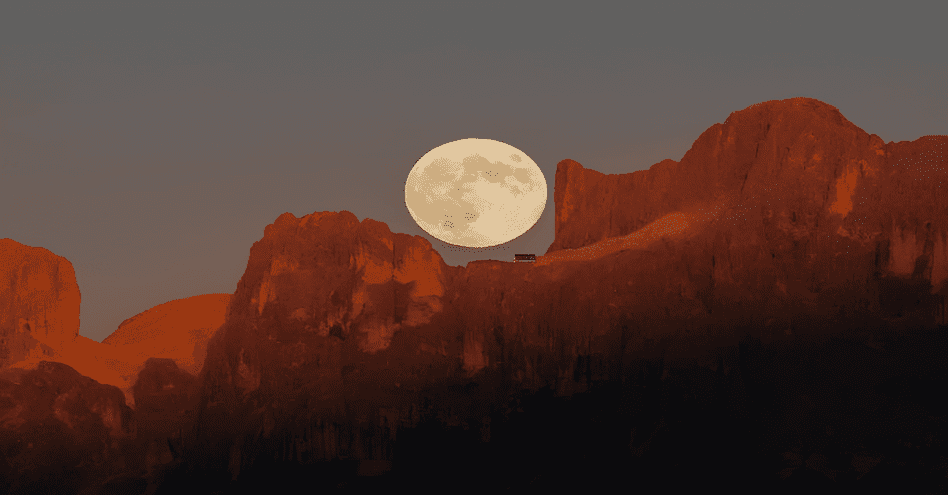
Venus will move directly behind the Moon in an event called occultation. The planet will look very close to the Moon in the predawn sky.
Visibility: This will be visible across Europe, Greenland, parts of Canada, and Africa.
Sept 21: Stargazing Night & Saturn at Its Brightest
Two celestial events will occur on September 21. With no moonlight, the night will be perfect for stargazing and astrophotography. The Milky Way, bright star clusters, and the galactic core will be visible.
At the same time, Saturn will be opposite the Sun, appearing brighter than usual. However, its rings may be difficult to spot.
Time: Saturn will be visible for most of the night.
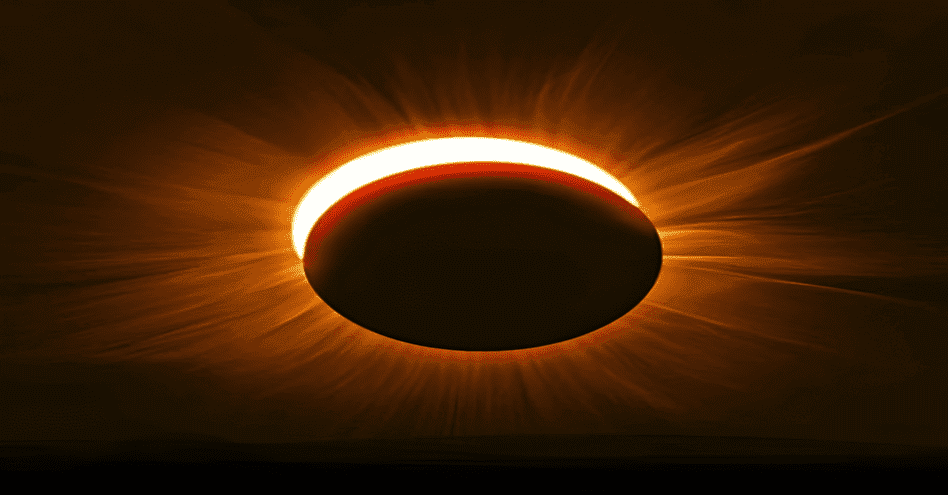
Sept 22: Partial Solar Eclipse
A partial solar eclipse will take place on September 22, when the Moon moves between Earth and the Sun, blocking up to 85% of the Sun.
Visibility: Best seen from the South Pacific and parts of Antarctica.
Neptune at Its Brightest
On September 23, Neptune will be opposite the Sun in the sky and shine at its brightest, being closest to Earth.
Note: As the farthest planet in the solar system, Neptune cannot be seen with the naked eye.
READ ALSO – ED Raids Odisha Businessman in ₹1,396 Crore Bank Fraud Case, Seizes 10 Luxury Cars
Sept 24: String of Pearls Galaxy
Stargazers can observe NGC 55, also called Caldwell 72 or the String of Pearls Galaxy, named for its elongated shape resembling a line of pearls.
Time: It will reach its highest point in the sky around midnight on September 24.
Visibility: Clear from the Southern Hemisphere and low Northern Hemisphere latitudes.
Sept 27: Globular Cluster 47 Tuc
The globular cluster 47 Tucanae (47 Tuc), the second brightest globular cluster in the night sky, will shine at its best on September 27.
Visibility: To the naked eye, it looks like a faint, fuzzy patch of light, but through binoculars or a telescope it appears as a glittering sphere of hundreds of thousands of stars packed closely together.
Time: Best viewed around midnight local time.
This September brings a series of spectacular celestial shows, making it a month to remember for astronomy lovers.


 By
By


 Create Personal Account says: