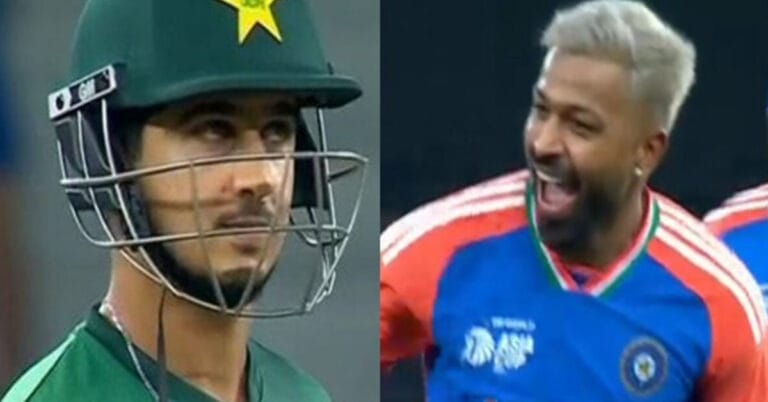

In a high-voltage clash at the Asia Cup 2025, Pakistan’s Saim Ayub endured a nightmare start against arch-rivals India. On Sunday, September 14, at the Dubai International Cricket Stadium, Ayub became only the second Pakistani opener to be dismissed for a golden duck in a T20 International against India, following the footsteps of Babar Azam.
A Harsh Beginning for Pakistan’s Innings
Pakistan won the toss and opted to bat first in what was expected to be a tense, high-stakes encounter. However, the moment quickly turned sour for the Pakistani side. Saim Ayub faced just a single delivery before being dismissed without scoring. Indian all-rounder Hardik Pandya initiated the challenge with a clever inswinger down the leg side, followed by an outswinger.
Table of Contents
Chasing the ball on the rise, Ayub attempted to play an aggressive shot but ended up skying the ball straight to India’s star pacer Jasprit Bumrah stationed at point. The dismissal left Pakistan reeling at the very start, setting the tone for a difficult batting performance.
Echoes of Babar Azam’s Golden Duck
Ayub’s golden duck brought back memories of a similar situation three years earlier during the 2022 T20 World Cup at Melbourne Cricket Ground. In that match, Babar Azam was trapped LBW off his first ball by left-arm pacer Arshdeep Singh. The iconic Melbourne pitch had seen Babar fall for a golden duck in a high-pressure match, and now history seemed to repeat itself, but with Saim Ayub.
The absence of Pakistan’s leading stars, Babar Azam and Mohammad Rizwan, from the current Asia Cup squad left the team struggling for stability at the top order. In this critical match, the burden fell on young players like Ayub, and unfortunately, he struggled under the immense pressure.
Back-to-Back Golden Ducks: A Tough Phase
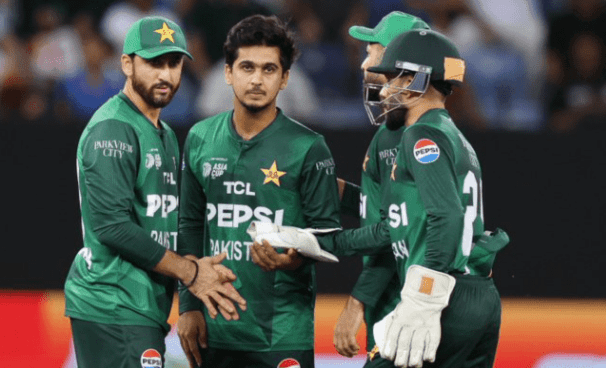
This was not Ayub’s first golden duck in recent times. Just days earlier, during a nail-biting match against Oman, he had been dismissed for a golden duck as well. On that occasion, Ayub misjudged a delivery from Shah Faisal aimed at the middle and leg stumps.
Trying to execute a bold pick-up shot, Ayub was off-balance and completely missed the ball. It struck his back leg, prompting an immediate LBW appeal. Although the decision initially seemed harsh to many observers, Ayub opted to review it. The ball-tracking technology confirmed the umpire’s decision, showing that the ball had indeed hit the middle stump without any bat contact.
Such back-to-back failures were a severe blow to his confidence and raised questions about his form at the international level.
Struggles at the International Stage
Saim Ayub has shown flashes of brilliance in his international career but has struggled for consistency in T20 Internationals. Before the Asia Cup match against India, Ayub had played 43 T20I matches, scoring a total of 816 runs at an average of 20.92. His career-best performance came last year, when he scored an unbeaten 98 against South Africa at the SuperSport Park in Centurion.
ALSO READ- India Women vs Australia Women 1st ODI Highlights: Australia Crush India by 8 Wickets
Despite these individual performances, his overall T20I numbers reflect inconsistency, particularly under high-pressure situations. Critics argue that his aggressive approach often backfires, especially against high-quality bowlers in top-level tournaments like the Asia Cup.
What Lies Ahead for Ayub and Pakistan
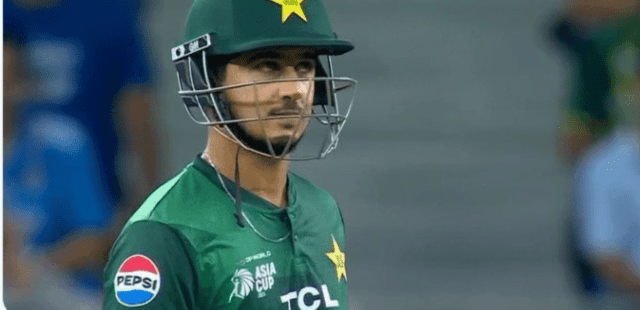
The Asia Cup 2025 is a crucial platform for Pakistan to prove their mettle, especially in the absence of their top stars. For Saim Ayub, the tournament represents both a challenge and an opportunity to turn his fortunes around. The young opener needs to overcome his recent struggles and rediscover his confidence to stabilize Pakistan’s fragile top order.
On the other hand, India’s bowlers, led by Hardik Pandya and Jasprit Bumrah, demonstrated their dominance early in the contest. Their ability to dismantle Pakistan’s batting line-up sent a strong message to other competing teams.
As the Asia Cup progresses, all eyes will remain on Saim Ayub and the Pakistani team to see if they can bounce back from this rough start or if the pressure of the tournament proves too overwhelming.

 By
By