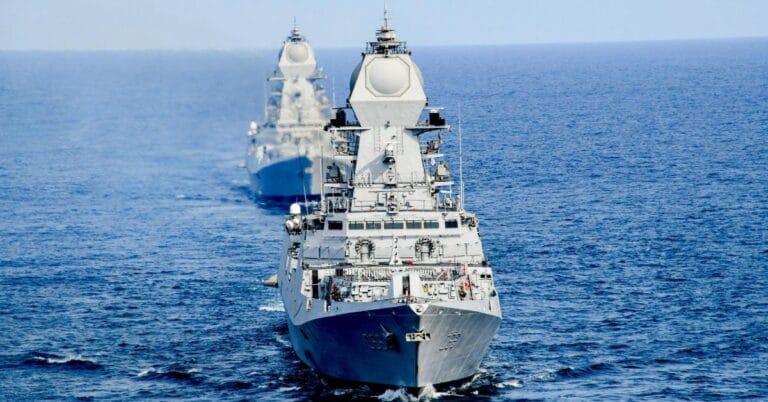

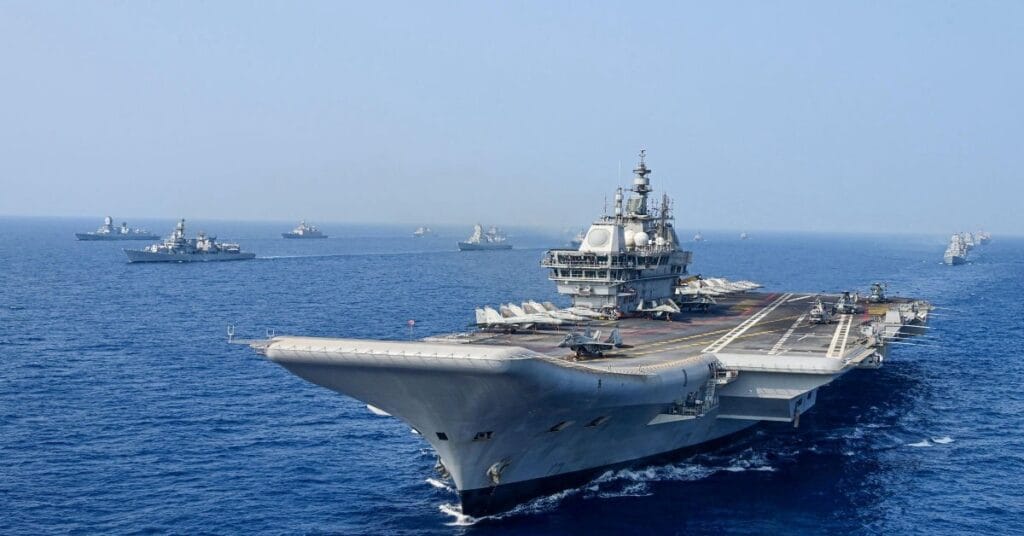
Indian Navy Akula-Class Submarine Deal: Throughout history, wars have not only been fought on land and in the skies but also in the vast depths of the sea. Recognizing the changing nature of modern warfare, the Indian Navy is actively preparing for the future. Meanwhile, reports suggest that the Chinese Navy is steadily expanding its presence in the Indian Ocean with submarines and warships, posing fresh challenges to India’s maritime security.
Russia Offers Nuclear Submarin
To counter China’s growing pressure, India urgently needs to strengthen its naval power. While India currently does not have nuclear-powered attack submarines, Russia has offered to lease a second ‘Akula’ class nuclear-powered attack submarine (SSN) to the Indian Navy.
Indian Navy is Considering
The Indian Navy is evaluating a proposal to lease a second ‘Akula’ class nuclear attack submarine from Russia, aimed at providing an immediate boost to India’s underwater capabilities.
Previously, India operated INS Chakra II under a lease from 2012 to 2021. Another Akula-class submarine, INS Chakra III, is scheduled for delivery by 2028 under a 2019 agreement. Now, Russia has put forward a fresh proposal to lease an additional Akula-class submarine, to be named INS Chakra IV.
How much will this submarine cost?
However, this decision is also complicated for many reasons. The biggest challenge is its cost. The proposed lease value for this second submarine is around $3.7 billion. In such a situation, this amount is equal to the deal of INS Chakra III. This cost is almost the same as the cost of India’s indigenous SSN program, in which an indigenous SSN will cost about $2.7 billion.
For this reason, some naval officials feel that instead of spending such a huge amount, it is better to focus on the indigenous program, the construction of which is expected to start by 2027.
Special Features of the Akula-Class Submarine
Akula-class nuclear submarines are renowned for their high speed, stealth (low noise), and formidable weapon systems. Often referred to as “hunter-killer” submarines, they are designed to track, detect, and destroy enemy submarines and surface ships with precision.
READ ALSO – ICC’s Big Decision Fuels Speculation on Rohit Sharma, Virat Kohli’s ODI Retirement
Being nuclear-powered, they can remain submerged for extended periods without the need for refueling. Moreover, they are capable of carrying both conventional and nuclear weapons, making them a critical asset in modern naval warfare.


 By
By