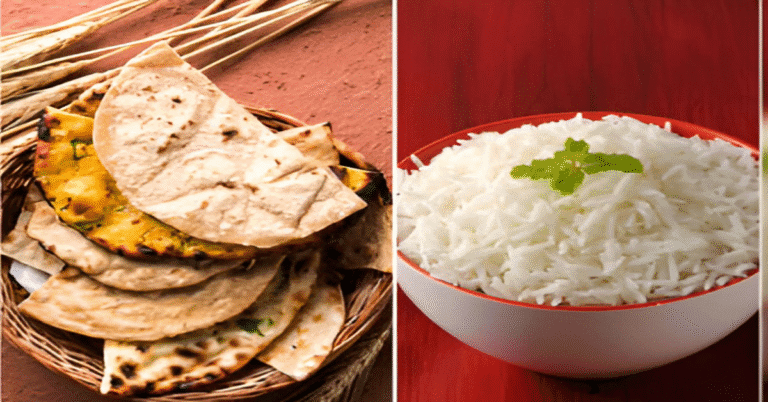

Roti vs Rice- When it comes to dinner choices in Indian households, the debate between roti and rice is endless. While both are staple foods, many people wonder which one is lighter on the stomach and better for digestion, especially when eaten at night. The answer depends on your body type, lifestyle, and health needs. Let’s break it down.
Nutritional Overview of Roti vs Rice

Table of Contents
Roti (whole wheat bread):
- Made from whole wheat flour, roti is high in fiber and keeps you feeling full for longer.
- It contains complex carbohydrates that release energy slowly, which helps in maintaining stable blood sugar levels.
- Roti is also a source of essential nutrients like iron, magnesium, and protein.
Rice (especially white rice):
- White rice is low in fiber but easy to digest, making it a quick source of energy.
- It is light on the stomach but does not keep you full for long.
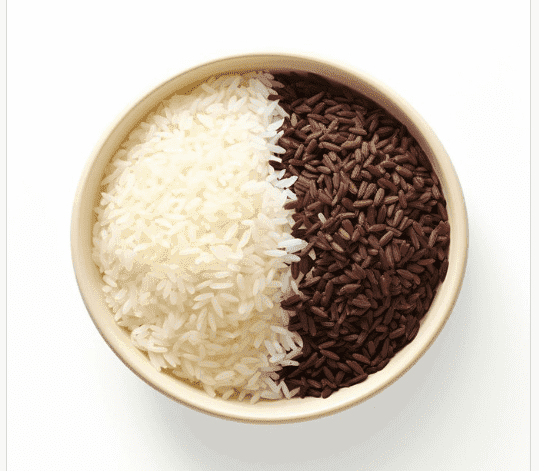
- Brown rice or unpolished rice is healthier than white rice, as it retains more fiber and nutrients.
Which Is Lighter on the Stomach at Night?
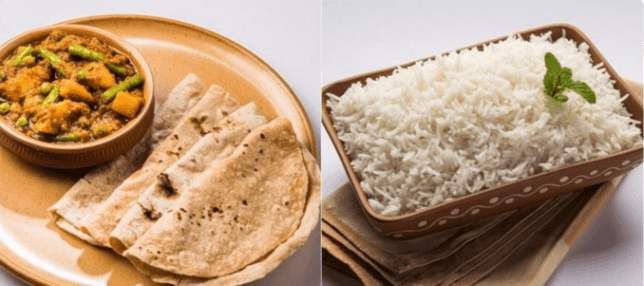
When eaten at night, rice is generally considered lighter and easier to digest compared to roti. White rice breaks down quickly in the stomach and doesn’t put much pressure on the digestive system. This makes it a good option if you want a light dinner before bed.
ALSO READ- How Dahibara made a man rich, that too worth Rs 1.8 crore
On the other hand, roti takes longer to digest because of its higher fiber content. For people with slow metabolism or digestive issues, eating roti late at night can sometimes cause heaviness or bloating.
Roti at Night: Pros and Cons
Pros:
- Keeps you full for longer, preventing midnight cravings.
- Provides complex carbs that support steady energy release.
- Good source of dietary fiber for overall gut health.
Cons:
- May feel heavy if eaten in large quantities.
- Takes longer to digest, which might not be ideal before sleeping.
- Can cause bloating for those with weak digestion.
Rice at Night: Pros and Cons
Pros:
- Light on the stomach and easy to digest.
- Helps the body relax by quickly releasing energy.
- Suitable for people with acidity or digestive problems.
Cons:
- Low in fiber, so you may feel hungry sooner.
- Overeating rice, especially white rice, can lead to spikes in blood sugar.
- Not the best option for people trying to manage weight or diabetes.
What Do Nutritionists Suggest?
Health experts usually recommend a balanced approach. Instead of completely avoiding one, you can choose based on your body’s needs:
- If you want a light dinner or have digestion issues, rice in moderation may be better.
- If you want to stay full longer and maintain stable blood sugar, roti can be a smarter option.
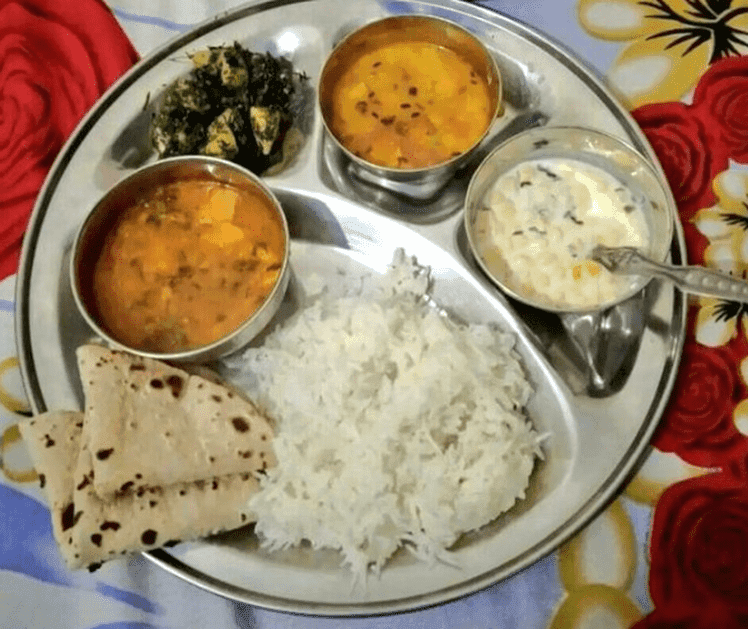
- For the best of both worlds, some people mix – eating one roti with a small portion of rice, along with dal and vegetables.
Tips for a Healthy Dinner
- Avoid large portions of either rice or roti at night.
- Pair them with vegetables, dal, or lean proteins to make the meal balanced.
- Opt for brown rice or multigrain roti if you want more fiber and nutrients.
- Eat dinner at least 2–3 hours before bedtime to give your stomach enough time to digest.
The choice between roti and rice at night depends on your health goals and digestive capacity. Rice is generally lighter and easier to digest, making it suitable for those who prefer a light dinner. Roti, on the other hand, offers sustained energy and fiber but can feel heavy late at night. Striking a balance and practicing portion control is the key to a healthy and restful night.


 By
By


 Binance账户 says: