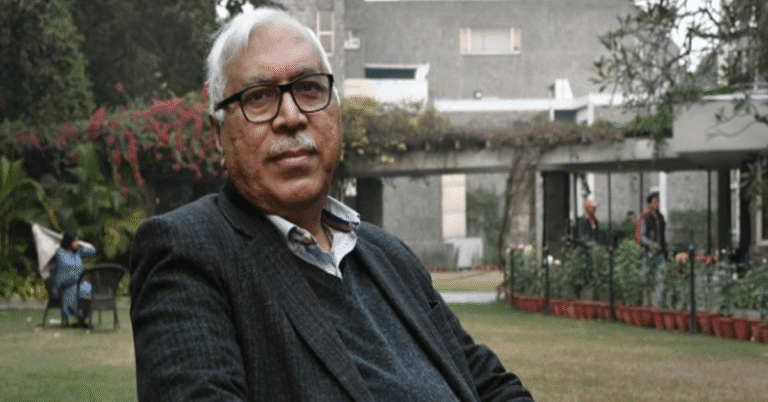

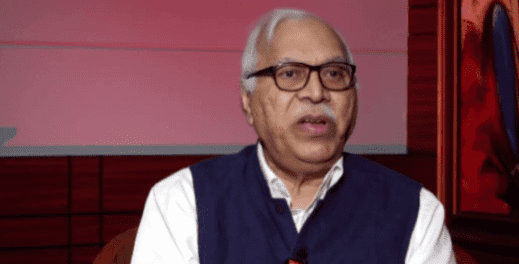
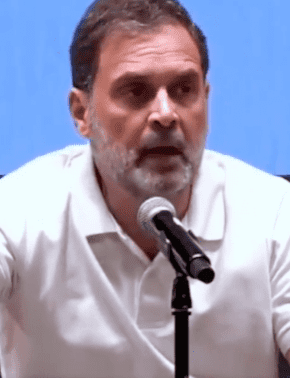
Former Chief Election Commissioner S Y Quraishi sharply criticized the Election Commission of India (ECI) for its response to Rahul Gandhi’s vote theft allegations, stating that the commission should have ordered a proper probe instead of using offensive and objectionable language against the Leader of Opposition.
Quraishi Calls EC’s Response Offensive and Wrong
In an interview with PTI, Quraishi said the Election Commission’s manner of dealing with Gandhi’s charges was “objectionable and offensive.” He argued that the EC should have treated Gandhi’s serious allegations of electoral irregularities with due process and professionalism. Instead of asking Gandhi to submit an affidavit under pressure, the EC chose to “shout at him” and adopt a hostile tone.
Table of Contents
“Rahul Gandhi is the Leader of Opposition after all. He is not a man on the street but someone representing millions of people,” Quraishi said. “When such allegations are made, they must be investigated, not dismissed with forceful language and threats of consequences.”
Political Rhetoric vs. Serious Complaints
Quraishi acknowledged that some of the language used by Gandhi, including references to a “hydrogen bomb” of revelations, was political rhetoric. However, he emphasized that this should not dismiss the core of Gandhi’s allegations. The former CEC made it clear that serious complaints need to be investigated fully, not merely treated as exaggerated political statements.
“The public is watching closely. It is the responsibility of the Election Commission to not only be fair but also appear fair,” Quraishi stressed. He said that ordering a probe would have been the correct and transparent course of action, which would have brought clarity and truth to the issue.
Criticism of Bihar Electoral Roll Revision
Quraishi also condemned the manner in which the EC conducted the Special Intensive Revision (SIR) of electoral rolls in Bihar. He argued that the process was poorly executed and would create more problems than solutions.
“It takes 30 years to build a near-perfect electoral roll covering 98–99% of eligible voters. Now, in a span of three months, they are trying to start all over again. It is buying trouble,” Quraishi said. He described the effort as “opening a Pandora’s box” and “putting the hand in a hornet’s nest,” which would ultimately harm the EC’s credibility.
He particularly questioned the exclusion of the Electors Photo Identity Card (EPIC) as a valid document for inclusion in the voters’ list. According to Quraishi, the EPIC is issued by the Election Commission itself and has been a key tool in ensuring voter identification. Ignoring it, he warned, has “very serious implications.”
Supreme Court’s Role and Aadhaar Controversy
Quraishi pointed out the Supreme Court’s involvement, noting that under its pressure, the EC began using Aadhaar for the revision process. However, he expressed surprise that the court did not follow up on EPIC, which he considered a logical and reliable tool created by the Election Commission itself.
“This shift to Aadhaar due to top court pressure indicates poor planning on the part of the EC,” Quraishi said. He argued that if the EC had conducted the process properly, such a last-minute shift wouldn’t have been necessary.
Political Impact and Public Confidence at Stake
Quraishi warned that the EC’s approach could seriously damage public trust in the electoral process. He pointed out that the opposition constantly had to approach the Supreme Court to get their voices heard, which is unusual for a democratic system.
“The opposition doesn’t have the luxury of power. They are out of power and face more difficulties in making their case heard,” Quraishi said. He noted that during his tenure as CEC, he always prioritized listening to opposition parties, believing that they deserved a fair hearing.
“During my tenure, the doors of the Election Commission were always open to the opposition,” he added. “The government in power does not need as much pampering as the opposition does because the latter is already at a disadvantage.”
Call for a Fair and Transparent Probe
Specifically referring to Gandhi’s allegations, Quraishi reiterated that the normal practice in such serious matters should be an immediate investigation. Asking Gandhi to submit an affidavit was not appropriate, especially considering his position as Leader of Opposition.
He warned of a dangerous precedent: “What if tomorrow the opposition demands the same from the ruling party—an affidavit claiming no mistake in the new electoral roll, or criminal liability if proven otherwise?”
“The right approach is a transparent and independent probe that brings out the facts and restores faith in the system,” Quraishi said. “This would serve not only Gandhi but the entire nation, which is closely watching how the Election Commission handles these serious allegations.”
Need for Introspection by the Election Commission
S Y Quraishi concluded by calling for serious introspection within the Election Commission. He emphasized that the EC must resist external pressures and ensure impartiality in its work.
ALSO READ- Abir Gulaal UAE Review: First-Day Verdict on Fawad Khan and Vaani Kapoor’s Romantic Drama
“For the health of Indian democracy, it is critical that the EC wins the confidence of all political parties and the people,” he said. “The institution must act fairly, and more importantly, appear fair in the eyes of the public.”
Quraishi’s remarks come at a time when the credibility of the Election Commission is under intense public scrutiny, especially as India prepares for upcoming state and national elections. His criticism highlights the urgent need for accountability, transparency, and professionalism in handling electoral controversies.


 By
By


 sign up for binance says:
 open a binance account says:
 b"asta binance h"anvisningskod says: