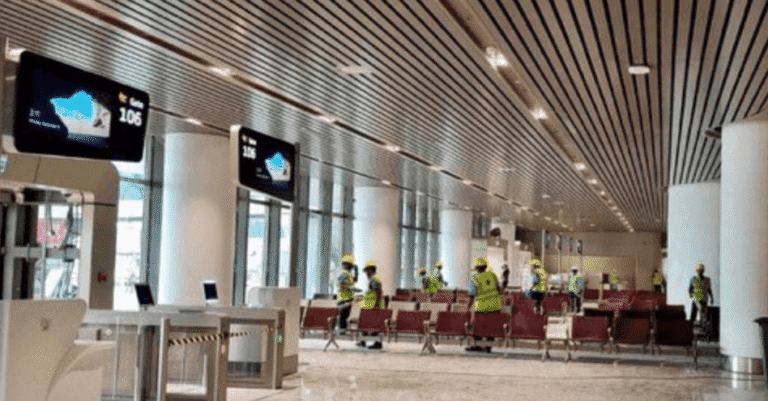

Prime Minister Narendra Modi is set to inaugurate the Navi Mumbai International Airport today, a milestone project that promises to transform air travel in Maharashtra and elevate Mumbai’s global connectivity. The state-of-the-art airport is expected to significantly boost trade, tourism, and economic growth for the Mumbai Metropolitan Region, Pune, and the Konkan area.
PM Modi’s Walkthrough and Inauguration
According to official reports, PM Modi will undertake a walkthrough of the airport and formally inaugurate it around 3.30 pm today. He is also scheduled to address the gathering on this landmark occasion.
Maharashtra Chief Minister Devendra Fadnavis expressed his excitement on social media, stating, “The wait is finally over. This airport is set to redefine air travel, boost Maharashtra’s growth, and connect India to the world like never before.”
Table of Contents
Cost and Capacity of the Airport
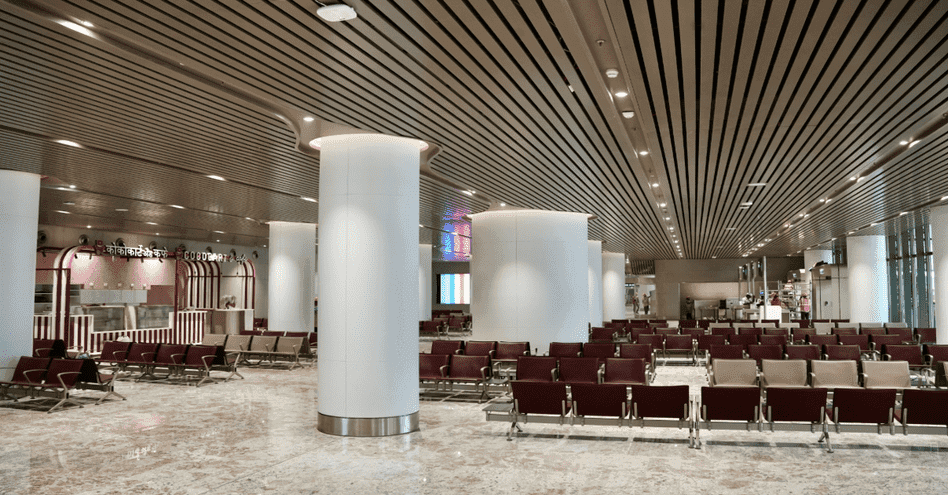
Built at an estimated cost of ₹19,650 crore, the Navi Mumbai International Airport is designed to initially handle 2 crore passengers annually. Once fully operational, the airport is projected to serve 90 million passengers and manage over 3.2 million metric tonnes of cargo per year, making it one of India’s largest Greenfield airport projects.
The airport features a 3,700-metre runway, which will work in tandem with Mumbai’s Chhatrapati Shivaji Maharaj International Airport, effectively easing congestion and creating a multi-airport system similar to global hubs in London, Tokyo, and New York.
Public-Private Partnership Model
The project was developed under a Public-Private Partnership (PPP) model between Mumbai International Airport Ltd, a subsidiary of Adani Airports Holdings Ltd, and CIDCO (City and Industrial Development Corporation of Maharashtra Ltd).
Ahead of the inauguration, Gautam Adani, Chairman of the Adani Group, lauded the collective efforts behind the airport. In response to a post by Jeet Adani, Director of Airports at the Adani Group, Gautam Adani wrote, “To every hand that worked and every heart that cared, this is your creation.”
Strategic Importance for Maharashtra
Union Minister of State for Civil Aviation Murlidhar Mohol highlighted the airport’s strategic significance on social media, stating that it will “propel Maharashtra to new heights”. He emphasized that the airport will provide direct access to global markets for industries in Pune, while also promoting tourism and business opportunities across Mumbai and the Konkan region.
By easing air traffic at Mumbai’s existing airport, Navi Mumbai International Airport is poised to become a key gateway for domestic and international travel, further strengthening India’s aviation infrastructure.
Airlines and Flight Operations
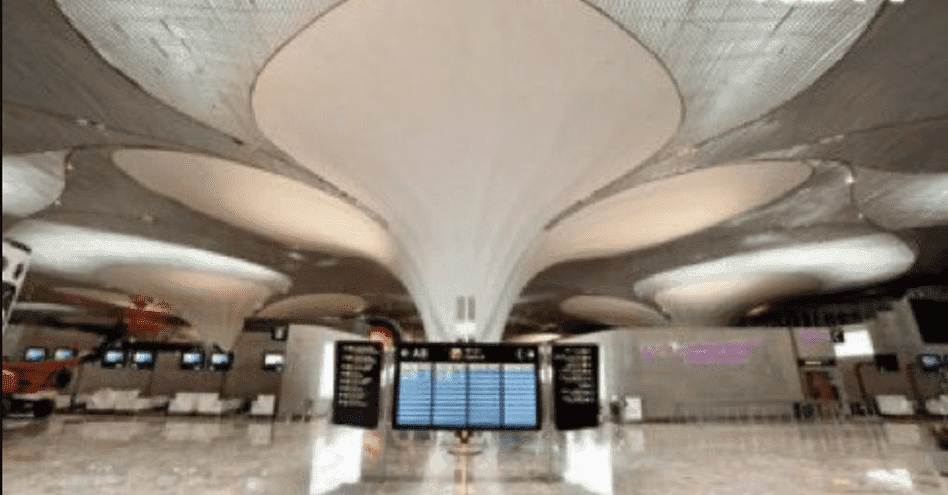
Several major airlines have already announced plans to begin operations at the new airport. IndiGo, Akasa Air, and Air India Express are expected to launch flights connecting Navi Mumbai with key domestic destinations.
The airport’s advanced infrastructure will ensure seamless travel, offering world-class facilities for both passengers and cargo. With the ability to manage millions of tonnes of freight annually, the airport is also expected to significantly enhance trade and logistics capabilities in the region.
Economic and Tourism Impact
The opening of Navi Mumbai International Airport is expected to bring substantial benefits to Maharashtra’s economy. By improving connectivity, it will attract foreign investments, promote regional tourism, and create thousands of employment opportunities.
READ ALSO- Gold and silver prices rise again, know the prices of 24K, 23K, 22K, 18K, 14K gold.Tourists visiting Mumbai, Pune, and the Konkan coast will benefit from easier access and reduced travel time, boosting the hospitality and travel sectors. Industries in Pune will gain direct access to global markets, helping local businesses expand their international footprint.
India’s Growing Aviation Landscape
Navi Mumbai International Airport is the second international airport in the Mumbai Metropolitan Region, making Mumbai one of the few cities in the world with a multi-airport system. This development reinforces India’s position as a major player in global aviation and highlights the country’s commitment to building world-class infrastructure.
With cutting-edge technology, modern facilities, and strategic location, the airport is set to redefine air travel standards in India, offering a smooth, efficient, and passenger-friendly experience.


 By
By