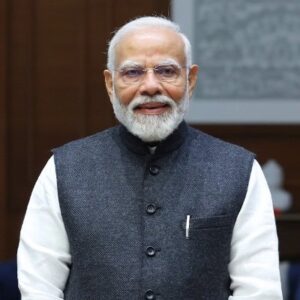
day after US President Donald Trump escalated the ongoing trade tensions with India by imposing additional tariffs, Prime Minister Narendra Modi delivered a resolute response, declaring that India would not compromise on the interests of its farmers, fishermen, and livestock holders—no matter the consequences.
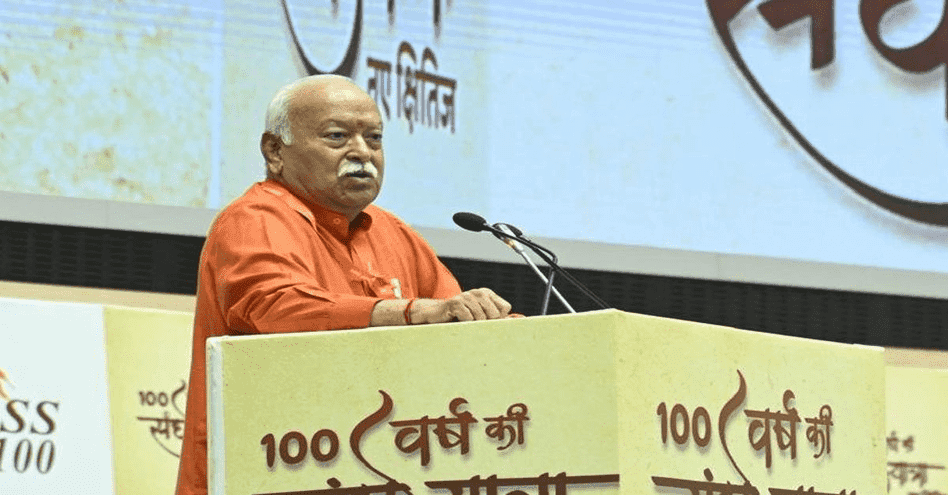
Speaking at the MS Swaminathan Centenary International Conference in New Delhi, the Prime Minister emphasized India’s unwavering commitment to protecting its agricultural sector, even in the face of mounting international pressure. His remarks came shortly after the latest round of US tariffs—an additional 25% duty on Indian exports—took effect.
“Farmers’ Interests Come First”
“The interest of farmers is our top priority,” Modi said in his address. “India will never compromise with the interests of its farmers, livestock holders, and fishermen. And I know that I will have to pay a huge price for this personally, but I am ready. India is ready—for the sake of the country’s farmers, fishermen, and livestock holders.”
This statement comes at a critical time, as the US(Trump) decision to increase tariffs is expected to hit Indian agricultural exports the hardest. The US is a significant market for Indian farm products, and the newly imposed tariffs—on top of the existing 25% duties from July 20—raise the total levy to 50%, affecting key exports like spices, seafood, and grains.
The added tariffs, announced by Trump as a “penalty” for India’s continued import of crude oil from Russia, have drawn strong criticism from New Delhi, which argues that such punitive action is politically motivated and not based on sound trade principles.
Honoring the Green Revolution Legacy
During his speech, PM Modi also paid tribute to MS Swaminathan, the visionary scientist often credited as the father of India’s Green Revolution. He acknowledged Swaminathan’s role in transforming India from a food-deficient country to a food-secure nation.
“Building on the legacy of food security, the next frontier for our agricultural scientists is ensuring nutritional security for all,” Modi said, underlining the government’s focus on innovation and sustainability in agriculture.
The conference, held to commemorate the centenary of Swaminathan’s birth, provided a symbolic and strategic platform for Modi to reinforce his government’s priorities amid the escalating trade dispute.
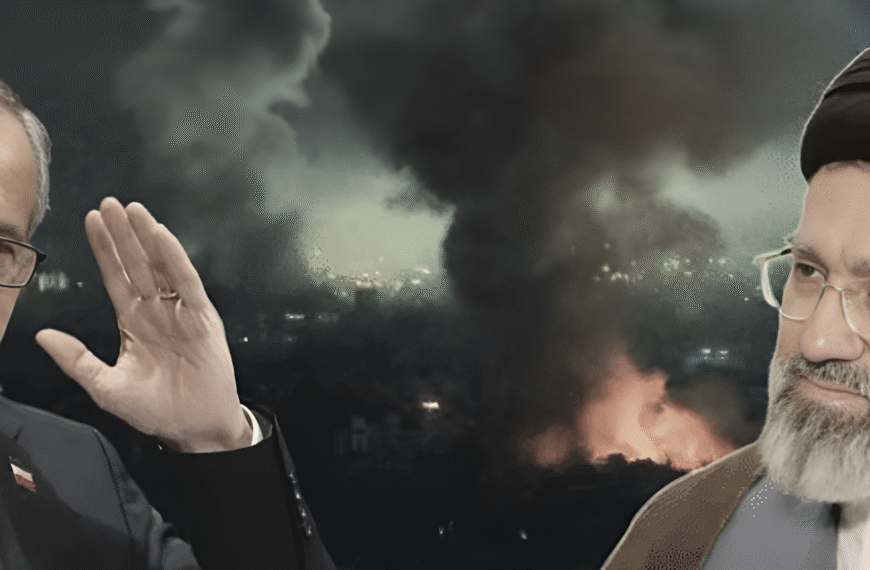
India-US Trade Relations Under Strain(modi & trump)
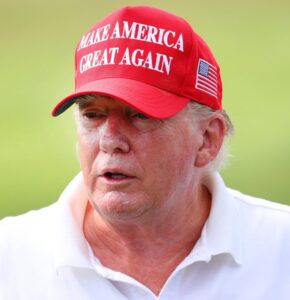
The new tariff hike by the US (Trump)comes at a time when trade relations between the two countries are already under strain. Tensions had been simmering since the pause in negotiations over a comprehensive India-US trade agreement, which had aimed to expand US access to India’s agricultural and dairy markets—an issue India has long resisted to protect its rural economy.
India’s Ministry of External Affairs (MEA) issued a sharp rebuttal following the tariff announcement, calling the move “unfair, unjustified, and unreasonable.”
In an official statement, the MEA said, “We have already made clear our position on these issues, including the fact that our imports are based on market factors and done with the overall objective of ensuring the energy security of 1.4 billion people of India. It is therefore extremely unfortunate that the US should choose to impose additional tariffs on India for actions that several other countries are also taking in their own national interest.”
The statement also emphasized that India would “take all actions necessary to protect its national interests,” signaling that New Delhi may pursue retaliatory measures or appeal the decision at the World Trade Organization.
Operation Sindoor and Beyond
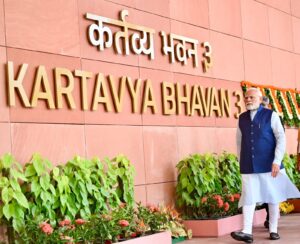
The trade standoff is unfolding against a broader backdrop of geopolitical tension between the two nations, particularly following Operation Sindoor—India’s military response to the Pahalgam terror attack in Jammu and Kashmir, which left 26 civilians dead.
The US response to Operation Sindoor, especially President Trump’s claim that he “brokered” a ceasefire between India and Pakistan, has further complicated diplomatic ties. The Indian government has flatly denied these claims.
“We had said from day one that our action was non-escalatory. No leader in the world asked us to stop Operation Sindoor,” PM Modi said during a recent Parliamentary session, reaffirming India’s sovereign stance on national security matters.
Analysts believe the timing of the tariff escalation could be linked to these diplomatic tensions, as the Trump administration appears to be leveraging trade policy in response to broader geopolitical developments.
With India preparing for general elections next year, Modi’s firm stand on protecting farmers and resisting foreign pressure may resonate politically. Farmers form a significant part of the electorate, and the government has already faced criticism over rural distress in recent years. By taking a defiant stance, Modi is positioning himself as a protector of India’s agrarian economy and national sovereignty.
On the economic front, however, the escalating tariff war may have adverse effects. Indian exporters are bracing for losses, and the trade deficit with the US(Trump) could widen. Economists warn that prolonged trade friction might hurt India’s efforts to boost exports and attract foreign investmen.
As the US-India trade war intensifies, Prime Minister Modi’s message is clear: India will not yield under pressure, even if it means short-term economic pain. By invoking national interest, food security, and the legacy of MS Swaminathan, Modi has drawn a red line—one that underscores India’s commitment to self-reliance, sovereignty, and the welfare of its farmers.
With Trump’s tariffs now in full effect and diplomatic channels under strain, the coming months will be crucial in determining whether dialogue can prevail—or whether this trade conflict escalates further.

 By
By