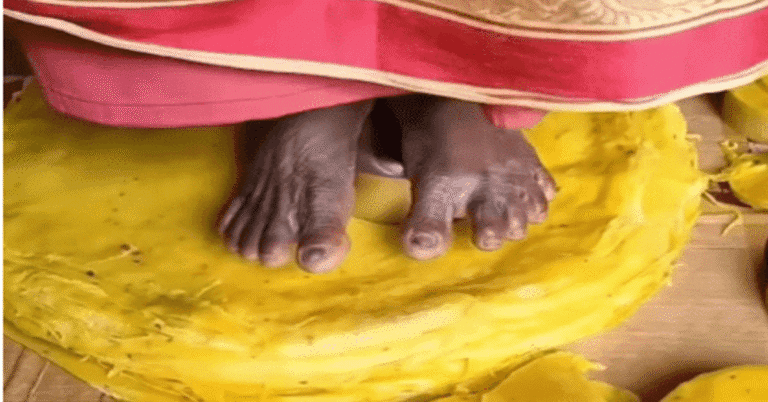

The phrase ‘Papad Khana Bandh’ is going viral on social media as food lovers express their dislike for the traditional papad-making process. Once seen as a symbol of patience, hard work, and family bonding, the old method of preparing papads is now facing criticism from modern-day foodies. Many are calling it outdated, time-consuming, and unhygienic compared to machine-made alternatives.
The Traditional Papad-Making Process
For generations, papad has been an essential part of Indian cuisine. It is usually made from urad dal, moong dal, or rice flour, mixed with spices and rolled into thin discs.
The traditional process involves several steps:
- Soaking and grinding lentils into a smooth dough.
- Kneading the dough with spices like black pepper, asafoetida, and chili.
- Rolling out small balls into thin, round sheets.
- Drying them in the sun for hours until they become crisp and ready to store.
While the method is labor-intensive, it was once celebrated as part of family life and women’s household skills.
Why Foodies Say ‘Papad Khana Bandh
Table of Contents
Modern food lovers are giving a thumbs down to this traditional style of making papads. Several reasons are being highlighted:
- Too Time-Consuming: The entire process can take hours or even days, depending on weather conditions.
- Labor-Intensive: Rolling and drying hundreds of papads requires physical effort, often done by women in households.
- Hygiene Concerns: Sun-drying outdoors exposes papads to dust, insects, and pollution, raising questions about cleanliness.
- Inconsistent Taste: Hand-rolled papads may differ in thickness and crispness, unlike the uniformity of machine-made ones.
- Changing Lifestyles: With busy schedules and urban living, many prefer ready-made or packaged papads available in supermarkets.
Rise of Machine-Made Papads
The popularity of machine-made papads has grown rapidly in recent years. Food companies now produce papads in bulk, offering:
- Consistent size and texture
- Better hygiene standards due to modern production facilities
- Variety of flavors including masala, jeera, garlic, and multigrain
- Longer shelf life with proper packaging
This shift has led many younger consumers to abandon the traditional method, often jokingly calling it “Papad Khana Bandh” (stop eating hand-made papads).
Social Media Backlash
On platforms like Twitter, Instagram, and Facebook, debates around the issue are trending. Some users argue that hand-made papads have a unique flavor and authenticity that machines cannot replace. Others say nostalgia alone is not enough to justify the tedious and unhygienic process.
Memes and videos mocking the effort required to roll papads are also circulating widely, further fueling the discussion.
Cultural Importance of Papads
Despite the criticism, papads still hold an important place in Indian food culture. In many communities, making papads is considered a traditional skill passed down from mothers to daughters. Families often prepared them together in summer, storing them for months to enjoy with meals.
In some regions, papads also play a role in festivals and weddings, where they are served as snacks or given as part of traditional food gifts.
The Changing Role of Women
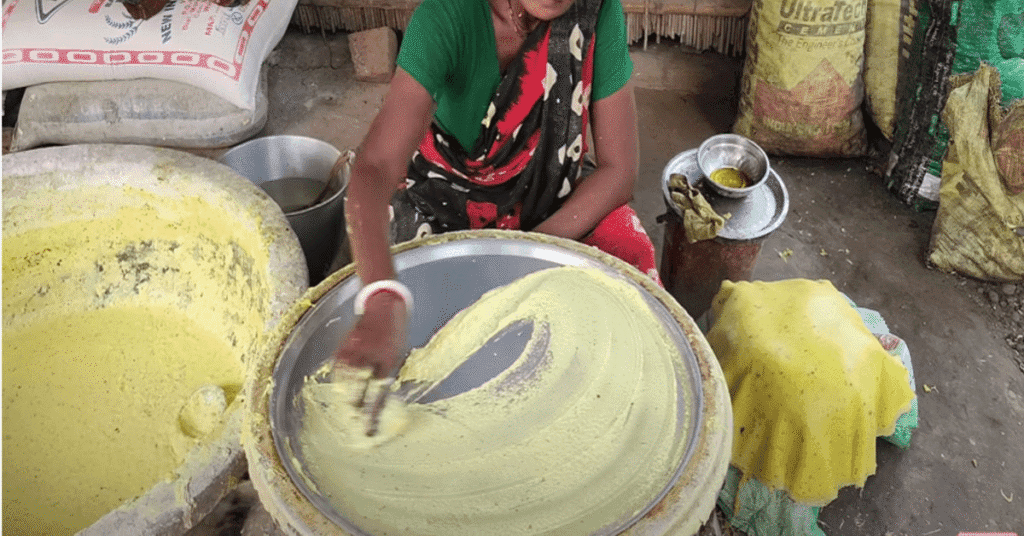
Earlier, papad-making was not just about food but also about community and women’s contribution to the household economy. In rural areas, groups of women would make papads together, turning it into a social activity.
Today, however, with more women working outside the home, there is less time for such practices. This change in lifestyle is another reason behind the decline of hand-made papads.
Papad Industry and Employment
It is important to note that papad-making is also a source of livelihood for thousands of women in India. Popular brands like Lijjat Papad began as a women’s cooperative and grew into a nationwide business, empowering rural women.
ALSO READ- Kusum (Ceylon Oak): Odisha’s Hidden Natural TreasureWhile many foodies may reject the traditional method at home, the handmade papad industry still survives because of its cultural value and employment opportunities.
Can Tradition and Modernity Coexist?
The debate over “Papad Khana Bandh” reflects a larger question: Should tradition be preserved, or should convenience take over?
Some suggest a middle path:
- Using modern machines for hygiene and speed.
- Retaining traditional recipes and flavors to keep cultural identity alive.
- Supporting women-led papad cooperatives to preserve heritage while adapting to modern demands.
A Changing Food Habit

The outcry of ‘Papad Khana Bandh’ shows how food habits are evolving in India. While traditional papad-making may be fading in urban households, it remains a symbol of heritage, togetherness, and women’s empowerment.
The future may belong to machine-made papads for convenience, but the taste of nostalgia attached to handmade papads will always have a special place in Indian hearts.


 By
By