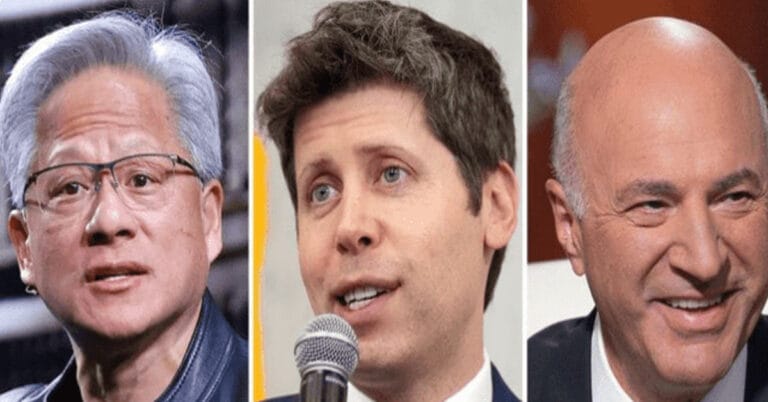

The recent announcement regarding changes to the H-1B visa fee structure by former U.S. President Donald Trump has sparked discussions across the tech industry. Notably, OpenAI CEO Sam Altman and Nvidia CEO Jensen Huang have cautiously endorsed the move, highlighting both potential benefits and areas of concern.
Background: The H-1B Visa Fee Change
The H-1B visa program allows U.S. companies to employ highly skilled foreign workers, particularly in tech and research sectors. Historically, companies have raised concerns about the rising costs and administrative hurdles associated with sponsoring H-1B visas.
Table of Contents
Trump’s recent adjustment to the H-1B visa fees aims to increase the cost for larger companies while providing some relief for smaller firms. This policy intends to balance the labor market, ensure fair access for smaller businesses, and encourage U.S.-based talent development.
Tech Leaders React
Industry leaders have weighed in on the policy, recognizing its potential implications for innovation and talent acquisition.
Sam Altman’s Perspective
Sam Altman, CEO of OpenAI, expressed cautious optimism about the fee adjustments. He noted that while the increased fees might challenge some startups, the policy could help level the playing field for smaller companies competing for global talent. Altman emphasized that the H-1B program remains critical for attracting top international talent in AI, machine learning, and other emerging technologies.
Jensen Huang’s Take
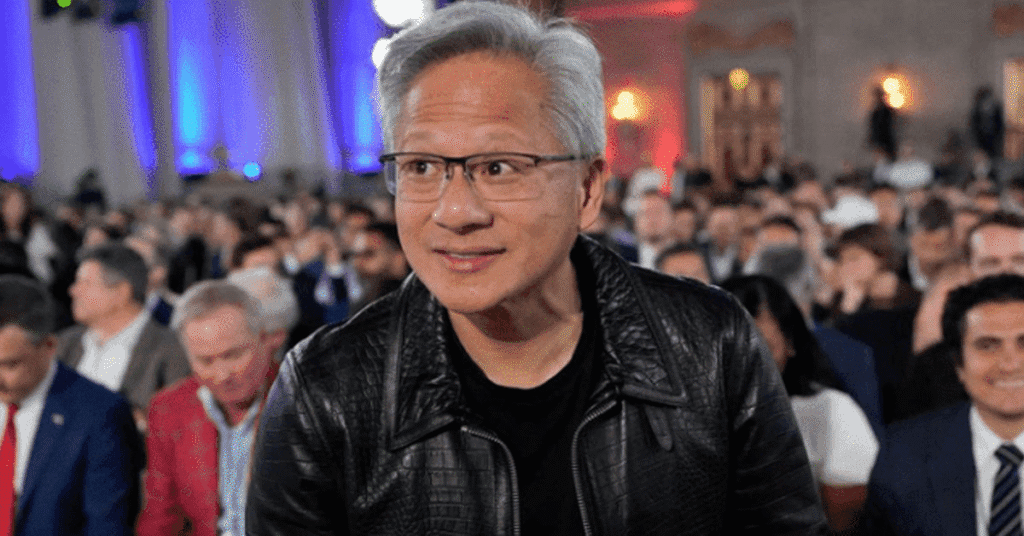
Nvidia’s CEO Jensen Huang also offered a measured response. While acknowledging that the fee increase could raise costs for tech giants, Huang highlighted that it might encourage better investment in local talent development. He underscored that global talent is essential for innovation, especially in high-demand areas like artificial intelligence and semiconductors.
Potential Implications for Tech Companies
The H-1B fee revision could have several notable effects on the technology sector:
- Impact on Startups and SMEs: Smaller companies may benefit from preferential fee structures, making it easier to hire skilled workers without bearing disproportionate costs.
- Pressure on Large Tech Firms: Giants like Nvidia, Google, and Microsoft may face higher fees, potentially affecting hiring budgets and long-term talent strategies.
- Global Talent Mobility: The policy could influence international talent migration patterns, making the U.S. less financially attractive for some, but more balanced overall.
- Innovation Incentives: By balancing costs, smaller companies could gain better access to skilled workers, boosting competitiveness and fostering innovation.
Industry Concerns and Criticism
Despite cautious praise from Altman and Huang, some experts have raised concerns:
- Higher Costs for Large Employers: Critics argue that increased fees could slow down recruitment for major tech firms, delaying projects.
- Administrative Burden: Adjusting to the new fee structure could require additional paperwork and planning, affecting hiring efficiency.
- Global Competition: Countries like Canada and Australia may benefit if the U.S. becomes costlier for top international talent.
Future Outlook
Altman and Huang’s cautious optimism suggests that while the fee change is not without challenges, it may incentivize a more balanced approach to global talent acquisition. Tech companies are expected to reassess their hiring strategies, balancing the costs of H-1B sponsorship with investments in domestic talent.
ALSO READ- No More 2-Year B.Ed! New 1-Year Course Introduced for Aspiring Teachers
Experts predict that the policy could encourage startups and mid-sized firms to expand hiring while pushing large tech companies to innovate recruitment strategies and invest more in training U.S.-based employees.
The H-1B visa fee adjustment has elicited a range of responses from the tech community. While OpenAI’s Sam Altman and Nvidia’s Jensen Huang offer cautious praise, highlighting potential benefits for smaller companies and workforce development, challenges remain for large tech employers.
As the policy takes effect, the industry will closely monitor its impact on global talent mobility, innovation, and competitiveness in key technology sectors. Balancing affordability, talent access, and innovation will be crucial for the U.S. tech ecosystem in the coming years.


 By
By


 Najlepszy kod polecajacy Binance says:
 binance registration says: