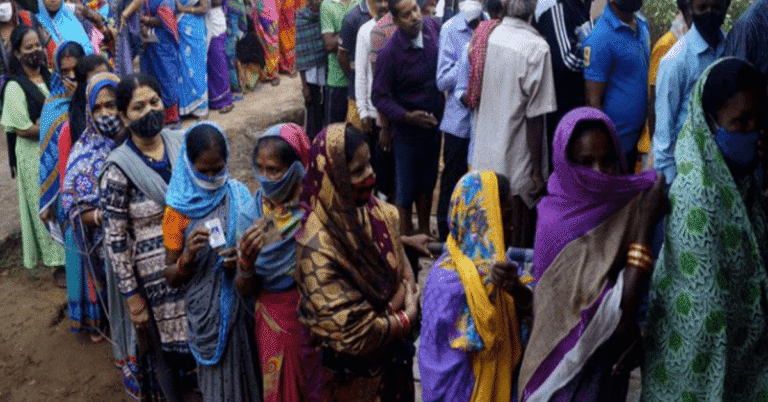

The Mohan Majhi-led Bharatiya Janata Party (BJP) government in Odisha has announced the Odisha Panchayat Samiti Accounting Procedure (Amendment) Rules, 2025, after cabinet approval last month. While the government argues that the new rules will streamline governance and speed up development works, opposition parties including the Biju Janata Dal (BJD) and the Congress have strongly criticised the move.
According to them, the rules significantly undermine the role of elected representatives in the state’s Panchayati Raj Institutions (PRIs) by giving more powers to bureaucrats and technical officials.
Table of Contents
What Has Changed Under the New Rules?

The biggest shift brought by the amendment is the delegation of greater financial powers to officials at the ground level, reducing the oversight of elected Panchayat representatives.
Earlier, Block Development Officers (BDOs) were allowed to clear bills only up to ₹2 lakh. Any expenditure above this limit required the counter-signature and approval of the Panchayat Samiti chairman, an elected representative.
Under the new rules:
- BDOs can independently sanction bills up to ₹10 lakh without seeking approval from elected members.
- The Chief Development Officer-cum-Executive Officer of the Zilla Parishad, a senior bureaucrat, will now have the authority to grant administrative approval for Panchayat Samiti plans and estimates — powers earlier vested with elected Zilla Parishad chairpersons.
- The powers of engineers have been substantially expanded, allowing them to accord technical sanction for projects ranging from ₹5 lakh to ₹4 crore, depending on their rank.
This marks a significant transfer of authority from elected leaders to the bureaucratic machinery.
Expanded Authority for Development Projects
The amendment also revises financial approval limits for development schemes and MGNREGA projects:
- BDOs can now approve general development projects up to ₹20 lakh.
- Panchayat Samiti Chairpersons (who are elected representatives) can clear projects up to ₹50 lakh.
- Engineers, depending on their rank, can independently approve much larger infrastructure and technical projects than before, expanding their role in rural governance.
This restructuring effectively strengthens the hands of government officials while narrowing the decision-making powers of local elected representatives.
Opposition Criticism: “Elected Representatives Undermined”
The Biju Janata Dal (BJD) and the Congress have strongly opposed these changes, calling them a direct attack on the spirit of democratic decentralisation envisioned under the Panchayati Raj system.
According to the opposition, the rules:
- Reduce the accountability of officials to the people.
- Sideline elected Panchayat Samiti chairpersons and Zilla Parishad leaders, who were meant to represent local voices.
- Concentrate financial and administrative powers in the hands of bureaucrats, potentially weakening grassroots democracy.
The BJD has accused the BJP government of “centralising rural governance” and ignoring the constitutional mandate of empowering elected representatives at the village and block levels.
Government’s Justification
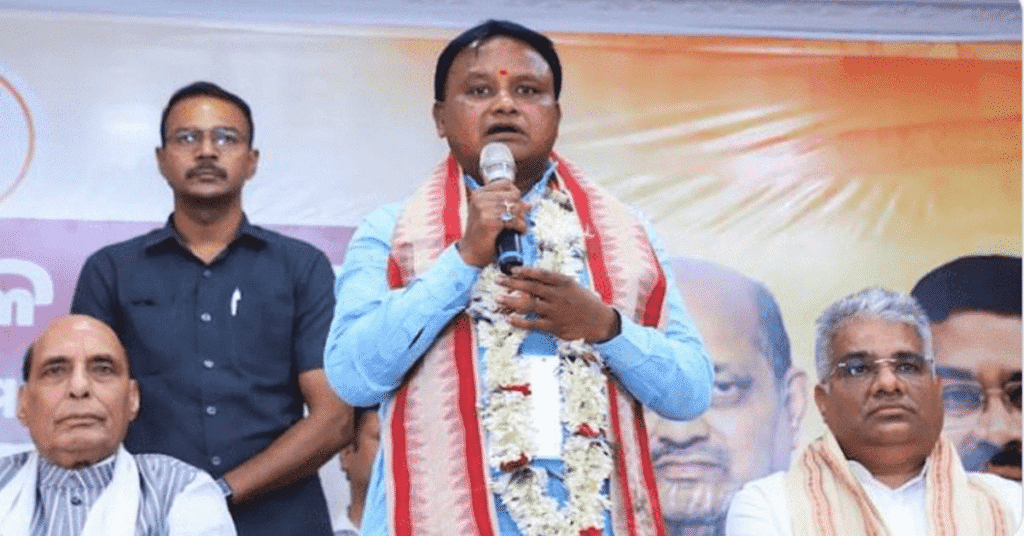
The BJP government, however, has defended the move as a necessary step to speed up the implementation of projects and reduce delays caused by bureaucratic hurdles.
According to government sources:
- Development works often get delayed due to repeated counter-signatures and overlapping approval systems.
- Empowering BDOs, engineers, and district-level officers will ensure faster execution of projects, especially in sectors like rural infrastructure, irrigation, and MGNREGA.
- Elected representatives will still retain oversight in higher-value projects, though the scope of their role has been adjusted.
The government claims that the new rules are designed to improve efficiency and transparency rather than weaken local democracy.
The Larger Debate: Bureaucrats vs. Elected Leaders
The controversy over the new rules reflects a larger debate in India’s Panchayati Raj system: the balance of power between elected representatives and government officials.
- Supporters argue that bureaucrats and engineers have the technical expertise to handle complex development projects, while politicians often lack such skills.
- Critics, however, stress that Panchayati Raj was created to give ordinary citizens a direct voice in governance, and transferring powers to bureaucrats defeats that purpose.
The Odisha case is therefore being closely watched as a test of how far state governments can go in shifting authority away from elected local leaders.
READ ALSO- National Consumer Helpline Records 3,000 GST-Related Complaints Post Tax CutsAs the controversy intensifies, it is likely that the issue will become a major political flashpoint in Odisha. The BJD and Congress are expected to raise it both inside the Assembly and among rural voters, accusing the BJP government of weakening democratic institutions.
Meanwhile, the government insists that the rules will ultimately benefit rural citizens by reducing red tape and accelerating development.
Whether this move strengthens rural governance or erodes democratic accountability remains to be seen. But for now, the Odisha Panchayat Samiti Accounting Procedure (Amendment) Rules, 2025 have already sparked a heated debate about the future of Panchayati Raj in the state.


 By
By


 Binance推荐 says: