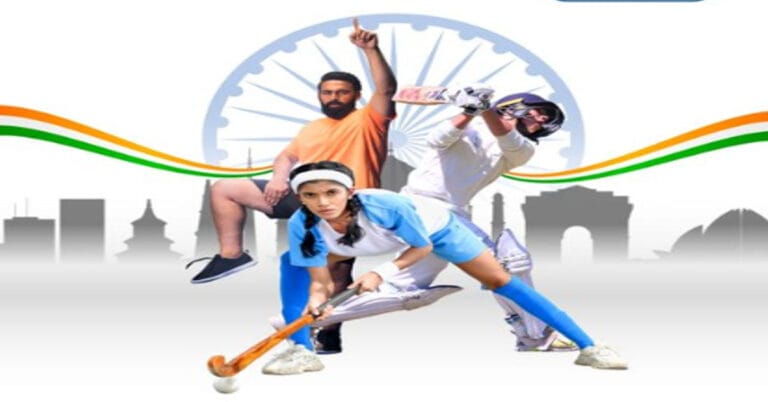

Every year on August 29, India celebrates National Sports Day to honor the birth anniversary of hockey legend Major Dhyan Chand, widely regarded as one of the greatest athletes the country has ever produced. In 2025, the occasion takes on an even deeper significance as the nation positions itself to become a global sporting superpower.
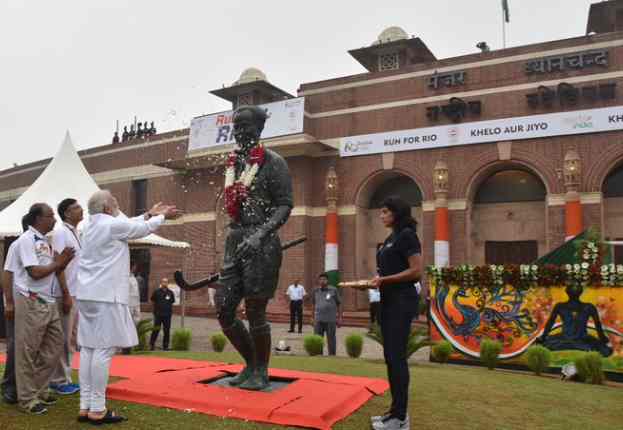
This year’s celebration is more than just a tribute; it is a nationwide movement to transform the culture of sports in India. With the theme “Ek Ghanta, Khel ke Maidan Main” (One Hour on the Playground), National Sports Day 2025 has been extended into a three-day fitness and sports festival from August 29–31, urging every citizen to dedicate at least one hour daily to physical activity.
By combining policy reforms, awareness campaigns, and grassroots initiatives, India is working toward building a comprehensive sports ecosystem that nurtures talent, promotes fitness, and positions the nation for Olympic glory.
Celebrating Dhyan Chand’s Legacy
Major Dhyan Chand, born on August 29, 1905, was the face of India’s golden era of hockey. Known as the “Hockey Wizard”, he helped India win three consecutive Olympic gold medals (1928, 1932, 1936). His extraordinary skills, discipline, and sporting spirit made him an international icon.
READ ALSO- Army National Guard veteran warns Trump’s special unit could be ‘very dangerous
National Sports Day, first declared in 2012, not only pays tribute to Dhyan Chand’s unmatched contributions but also serves as a reminder of the role sports play in nation-building. By aligning the day with large-scale fitness drives and reforms, India seeks to carry forward his legacy of excellence into the modern sporting era.
Theme 2025: “Ek Ghanta, Khel ke Maidan Main”
The theme reflects a simple but powerful message: dedicate at least 60 minutes a day to sports or physical activity. This initiative falls under the broader Fit India Mission, which has been driving awareness about lifestyle fitness and the fight against non-communicable diseases.
The campaign is not limited to athletes or schools — it encourages participation from all age groups, including working professionals, homemakers, and senior citizens. The idea is to normalize fitness as a daily routine, much like eating or sleeping.
Schools, colleges, workplaces, and communities across the country have been asked to organize sporting events, fitness drills, and awareness workshops during the three-day campaign. Renowned athletes and Olympians are also joining in to inspire the masses through demonstrations and interactive sessions.
India’s Demographic Advantage
India’s youthful population is one of its strongest assets in the journey toward becoming a sporting powerhouse. With nearly 65% of Indians below the age of 35, the government views sports as both a career pathway and a strategic driver of national progress.
READ ALSO- Bigg Boss 19: Gaurav Khanna Reveals Wife Akanksha Chamola Doesn’t Want Kids
By investing in infrastructure, modern training methods, and policy reforms, India hopes to channel this demographic dividend into world-class sporting performance. At the same time, a fitter younger generation also means a healthier, more productive workforce, which aligns with the country’s vision of creating a “Viksit Bharat” (Developed India) by 2047.
The National Sports Governance Act, 2025
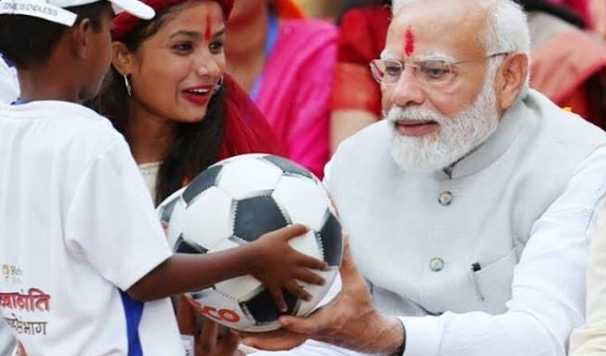
One of the most significant highlights of this year’s celebration is the passage of the National Sports Governance Act, 2025, approved on August 18, 2025. This act represents a landmark reform in Indian sports administration, ensuring transparency, accountability, and global alignment.
Key Features of the Act:
- Transparency and Accountability
- All sporting bodies must comply with a national Code of Ethics.
- Mandatory enforcement of Safe Sports Policies to protect vulnerable groups, especially women and children.
- Regular audits and reviews of organizational practices.
- Governance Reforms
- Age and tenure limits for office bearers to prevent prolonged monopolies in sports federations.
- Stronger internal mechanisms for grievance redressal.
- Provision to appoint professional sports administrators during crises, ensuring that governance doesn’t collapse under disputes.
- Global Alignment
- Indian sports organizations must align with the Olympic and Paralympic Charters.
- Adoption of global best practices in sports governance enhances credibility and ensures fair play.
This Act is expected to not only professionalize Indian sports bodies but also restore trust among athletes and fans, creating a healthier environment for talent to thrive.
Fitness, Health, and Olympic Dreams
The three-day celebration also seeks to highlight the link between fitness and national performance. Lifestyle diseases such as diabetes, hypertension, and obesity have become major concerns in India, particularly in urban centers. Encouraging every citizen to dedicate at least an hour to physical activity is seen as a preventive health measure.
At the same time, the government is investing heavily in promoting Olympic and Paralympic sports, recognizing that global sporting success boosts national pride and international recognition. Special schemes are being rolled out to support young athletes, provide access to modern training, and prepare them for international competition.
Mass Participation and Awareness
This year’s National Sports Day is not confined to stadiums or official ceremonies. Instead, it has transformed into a nationwide fitness movement:

- Schools and Colleges: Organizing inter-house tournaments, yoga sessions, and sports awareness rallies.
- Corporates: Encouraged to implement “One Hour Playground” sessions for employees.
- Community Groups: Local playgrounds and parks hosting open events, from cricket and football matches to running and cycling clubs.
- Athlete Involvement: Olympians, Paralympians, and national-level players participating in events, inspiring youth through storytelling and workshops.
The mass outreach strategy ensures that the campaign reaches every corner of the country, instilling the message that sports is not just about winning medals but also about building healthier communities.
Toward a Viksit Bharat by 2047
The celebration of National Sports Day 2025 goes beyond symbolic recognition. It is deeply tied to India’s vision of becoming a developed nation by 2047, the centenary of independence. A strong sporting culture contributes to this goal by:
- Creating healthier citizens, reducing the burden on healthcare systems.
- Generating careers in sports, from athletes and coaches to physiotherapists and sports scientists.
- Enhancing global recognition, as sporting success often translates into diplomatic and cultural influence.
- Uniting the nation, as sports remain one of the most powerful tools for social cohesion and national pride.
Conclusion
National Sports Day 2025 is more than a ceremonial tribute to Major Dhyan Chand; it is a turning point in India’s sporting journey. By launching the “Ek Ghanta, Khel ke Maidan Main” movement and passing the National Sports Governance Act, India is setting the foundation for a future where sports are not just a hobby but a way of life.
With a youthful population, strategic reforms, and record investments, India is determined to evolve into a global sporting power while simultaneously building a fitter, healthier, and more united nation.
As the celebrations continue across the country from August 29–31, the message is clear: sports are no longer optional—they are essential to the vision of a Viksit Bharat 2047.

 By
By

 Binance推荐 says:
 创建免费账户 says:
 打开Binance账户 says: