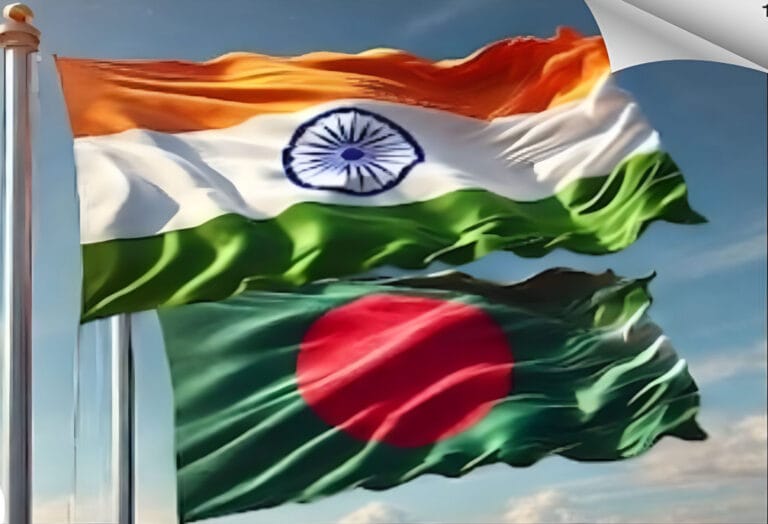

MEA Rejects Bangladesh’s Allegations on Awami League Offices in India Amid Strained Ties
New Delhi: The Ministry of External Affairs (MEA) on Wednesday dismissed allegations made by Bangladesh’s caretaker government, led by Nobel laureate Muhammad Yunus, that Awami League offices were being set up in Indian cities. The accusation, which comes amid a turbulent phase in bilateral relations, also included a call for India to act against what Dhaka termed on its soil.
The interim Bangladeshi administration claimed that the presence of offices of the banned Awami League—led by former Prime Minister Sheikh Hasina—threatens the spirit of good-neighbourly ties between the two countries. Dhaka’s foreign ministry said in a statement that the “reported establishment of Awami League offices in New Delhi and Kolkata” undermines trust and respect between the two sides, while casting a shadow over the political transition underway in Bangladesh.
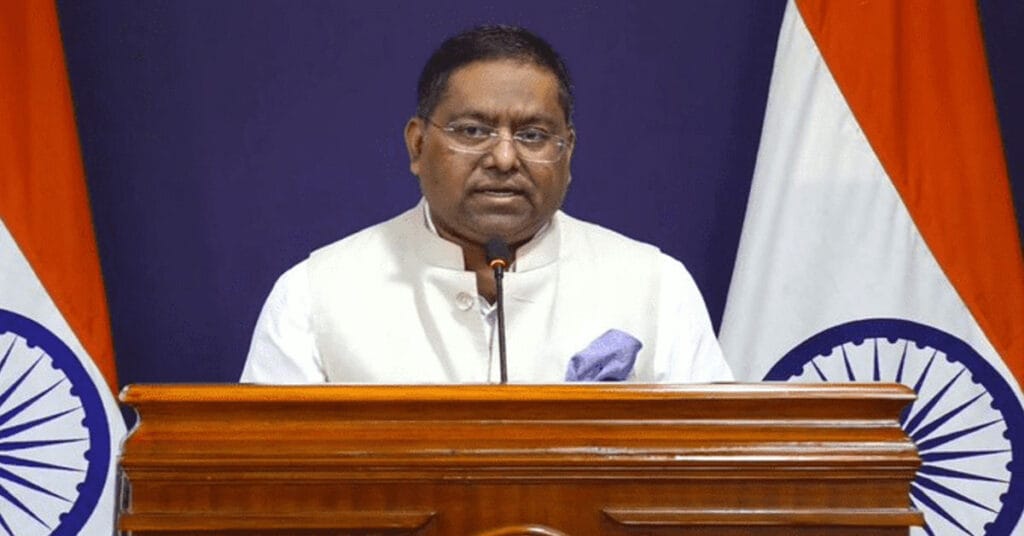
However, India swiftly rejected the claims. MEA spokesperson Randhir Jaiswal stated that New Delhi was “not aware of any anti-Bangladesh activities by purported members of the Awami League in India” nor of any actions that violate Indian law. He further underlined that India does not permit political activity targeting other countries from its territory. Calling the Bangladeshi statement “misplaced,” Jaiswal reiterated India’s stance that free, fair, and inclusive elections should be held in Bangladesh at the earliest to reflect the will of its people.
Extradition Request for Hasina
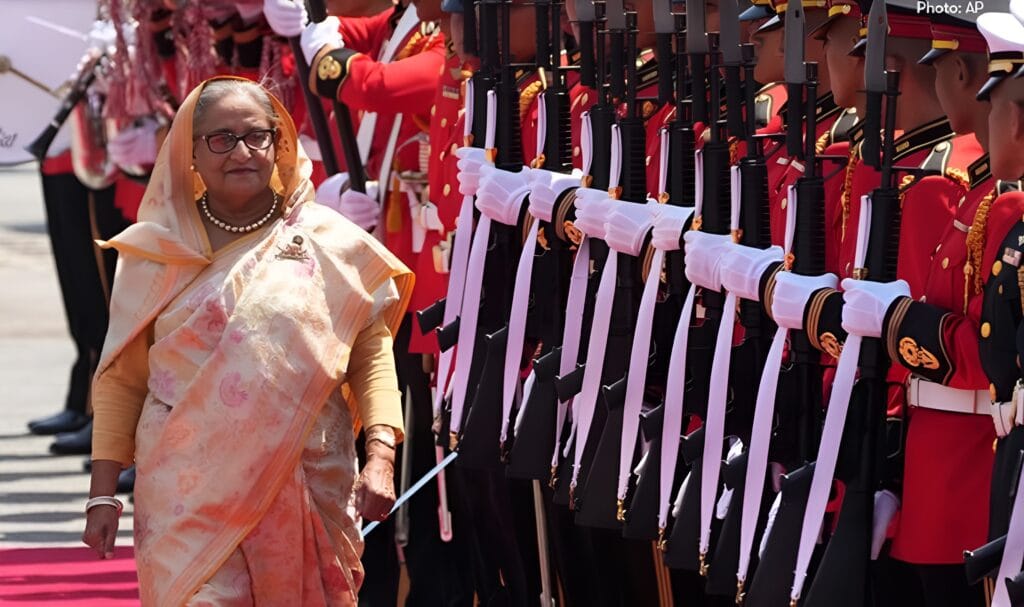
The row comes against the backdrop of Dhaka’s pending request for India to extradite Sheikh Hasina, who fled in August 2024 and has since lived in self-exile in New Delhi. India has so far refrained from responding to the request. The caretaker administration has launched a series of criminal cases against Hasina and senior leaders of the Awami League, charges that rights groups have often criticized as politically motivated.
In July this year, Hasina was sentenced to six months in prison by Bangladesh’s International Crimes Tribunal on charges of contempt of court. She also faces allegations of crimes against humanity, enforced disappearances, and a violent crackdown on protestors in 2023. Many of her party colleagues, accused in multiple criminal cases, are also believed to be in self-exile in India.
Bangaldesh Government urges India to take immediate steps to ensure that “no Anti-Bangladeshi activity is undertaken by any Bangladeshi national from Indian soil and closure of the political office of banned Bangladesh Awami League on Indian soil.” pic.twitter.com/ugX51DvzZe
— Aditya Raj Kaul (@AdityaRajKaul) August 20, 2025
Dhaka’s Concerns Over “Anti-Bangladesh Activities”
According to Bangladesh’s foreign ministry, senior Awami League leaders based in India have been planning political activities detrimental to Dhaka’s interests. The ministry pointed to reports of a public outreach initiative scheduled at the Press Club of India in New Delhi on July 21 as an example of attempts by the exiled party leadership to remain politically active.
“This amounts to an affront against the people and State of Bangladesh,” the ministry said, adding that such activities could directly impact efforts to strengthen bilateral ties. Dhaka urged India to take immediate measures to stop “anti-Bangladesh activities” and prevent leaders of a banned political party from misusing Indian soil.
READ MORE – Bengaluru Woman Turns Auto Driver to Pursue Her Love for Driving
Tensions in Bilateral Relations
The exchange of sharp statements reflects the downturn in India-Bangladesh relations since Yunus’s interim government came to power last year. The two sides have clashed over issues ranging from the treatment of minorities in to trade restrictions. India has imposed limits on certain Bangladeshi exports through land borders, citing Dhaka’s non-tariff barriers as justification.
Meanwhile, New Delhi has expressed concern over attacks on Hindu communities and other minorities, an issue that has further complicated ties. Analysts say the Awami League’s ban and the treatment of its leaders in exile have only widened the gulf between the two neighbours.
India’s Cautious Position
Despite rejecting Dhaka’s latest claims, India has remained measured in its response. By emphasizing its long-standing position that it does not permit political activity against foreign nations, New Delhi sought to defuse the controversy without escalating tensions further. At the same time, by reiterating its call for credible elections the MEA underlined India’s concern over the democratic vacuum in Dhaka.
The political situation is remains volatile as the caretaker government consolidates power while continuing legal action against Hasina and her party. With the Awami League leadership scattered in exile and accused of plotting activities from abroad, relations with India appear set for further strain in the months ahead.


 By
By