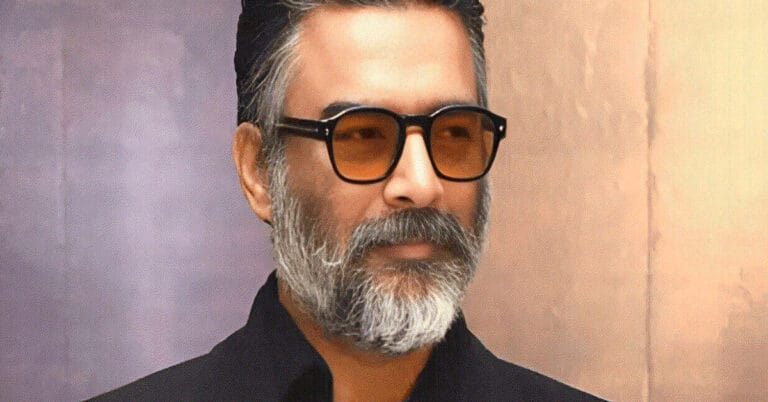

Actor R Madhavan recently shed light on a long-debated issue in the Hindi film industry — the absence of residuals or royalties for actors. Speaking in a candid interview, the actor rued that if India followed a system similar to Hollywood, where stars continue to earn from their past films, he would have enough wealth to sustain several generations.
Citing his own career, Madhavan said that just three of his biggest hits — 3 Idiots, Rang De Basanti, and Tanu Weds Manu — would have been enough to secure his financial future had a royalty-based system been in place.
Insecurity and Risk Aversion Among Indian Actors
Table of Contents
Madhavan explained that the lack of residual earnings creates an environment of insecurity among Indian actors. Without financial stability from past projects, many performers tend to become risk-averse, often choosing safer roles instead of experimenting with bold or unconventional cinema.
He compared this to Hollywood, where stars who continue to receive income from their earlier films feel empowered to take greater creative risks. “Because they know they’ll keep earning from past successes, they are willing to back new ideas,” he pointed out.
The Hollywood Model: A Contrast to Bollywood
In Hollywood, royalty payments — often called residuals — are a standard practice. Whether through TV reruns, streaming platforms, or international distribution, actors and creators continue to benefit from the success of their older projects.

Madhavan argued that if India adopted a similar structure, actors would not only feel more secure but also contribute to a healthier, more experimental film industry. “I could have easily fed generations just from 3 Idiots, Rang De Basanti, and Tanu Weds Manu if residuals existed here,” he remarked.
Shah Rukh Khan’s Strategy as a Producer
When asked about Shah Rukh Khan’s decision to become a producer early in his career, Madhavan offered a nuanced response. Shah Rukh famously launched his own production house, Red Chillies Entertainment, to maximize profits from his films.
Madhavan acknowledged that this was a strategic move, but stressed that such choices aren’t always possible for everyone. “It’s not a one-size-fits-all approach,” he said during his conversation with film exhibitor Akshaye Rathi.
Why Only Top Stars Can Afford to Produce Films
According to Madhavan, only the upper echelon of movie stars, those commanding double-digit salaries, have the privilege of turning producers without worrying about financial risks. These actors have already secured their futures and can afford to reinvest their earnings.
For actors in the lower strata of the industry, however, the situation is different. They lack the financial security needed to venture into production, where the risks are high and profits uncertain. “The rules that apply to the top stars are different because they have already safeguarded their future,” Madhavan explained.
A Call for Structural Change in Indian Cinema

Madhavan’s remarks reflect a larger issue in the Indian film industry: the need for structural reforms that support actors, writers, and creators beyond their initial paychecks. A royalty system, he believes, would not only provide long-term financial stability but also encourage creativity, innovation, and risk-taking in storytelling.
As streaming platforms and digital rights become more central to Bollywood’s revenue streams, industry experts argue that the conversation around residuals is more relevant than ever.
READ ALSO- Gautam Adani Closer to Asia’s Richest Crown With $13 Billion Boost
R Madhavan’s observations highlight the financial challenges many actors face in Bollywood. By contrasting India’s system with Hollywood’s royalty model, he emphasized how residual earnings could empower Indian actors to take greater risks and contribute to a more dynamic film industry.
His reflections on Shah Rukh Khan’s producer journey also underline the sharp divide between top-tier stars and the rest of the industry. Until reforms are introduced, actors outside the upper circle may continue to struggle with financial insecurity and risk aversion.
Madhavan’s candid remarks add weight to the ongoing debate about fair compensation, royalties, and sustainability in Bollywood — issues that may shape the industry’s future in the streaming era.


 By
By

 skapa ett binance-konto says: