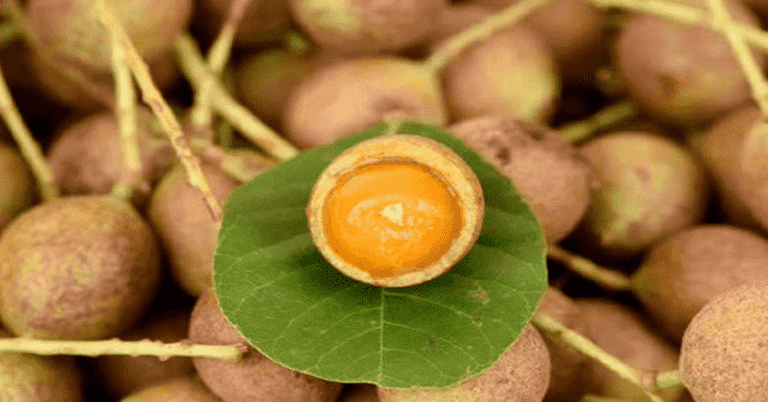

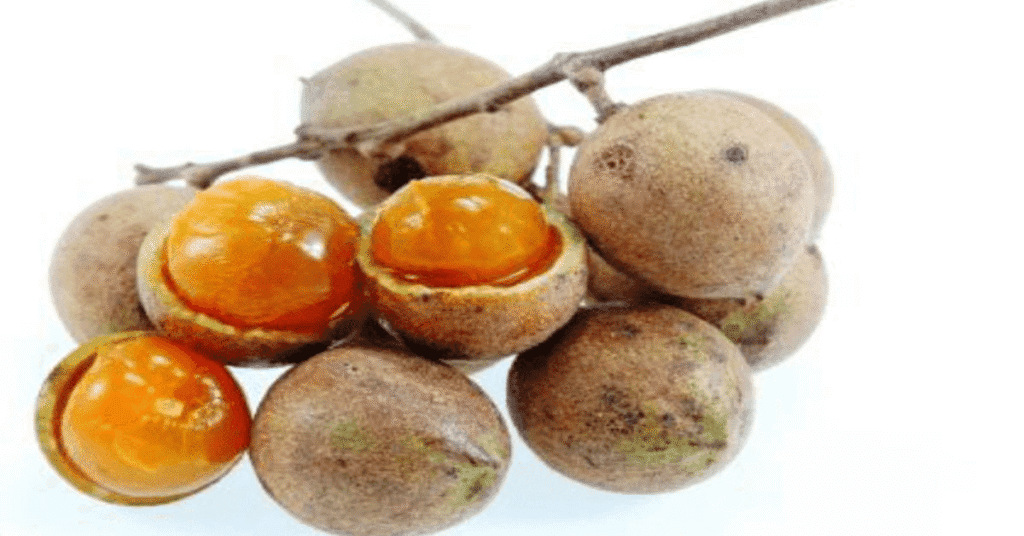
The Kusum tree, also known as Ceylon Oak (Schleichera oleosa), is a hidden treasure in the forests of Odisha. Revered by tribal communities such as the Gond, Chuktia Bhunjia, and Paharia, Kusum plays an important role in local diets, traditional medicine, and cultural practices. The small, plum-sized fruit is slightly sour when ripe and packed with nutrients, making it an essential part of tribal life.
Traditional Uses of the Tree
For generations, tribal families in Nuapada district, Western Odisha, have relied on the Kusum tree for food, oil, medicine, and materials for handicrafts. Agash Majhi, a 60-year-old Gond woman from Gangadei Garh village, says, “The tree is a wild treasure for us.”
Table of Contents
The oil extracted from Kusum seeds is widely used for medicinal purposes, including treating skin ailments, joint pain, hair loss, gastritis, ear pain, and stomach worms. Boiled the fruits help cleanse the stomach, while the bark is used in healing pastes for wounds. The oil also acts as a natural mosquito repellent and is traditionally applied to the scalp to maintain healthy, black hair. Additionally, lac collected from the tree branches is used in making traditional bangles.
Kusum in Tribal Festivals
the wood is central to Hariyali Tihar, a festival celebrated by tribal communities to honour the plough, a symbol of agriculture. The plough, crafted from the wood, is decorated with turmeric, vermilion, and other sacred offerings during the festival. This ritual expresses gratitude for the harvest and highlights the tree’s cultural significance.
Nutritional and Medicinal Benefits
The fruit is a rich source of protein, energy, and essential micronutrients. Every 100 grams provides about 53 kcal, 1.5 grams of protein, 0.8 grams of fat, 9.9 grams of carbohydrates, and 15 mg of calcium. Beyond nutrition, the tree has significant medicinal value:
- Bark: Treats leprosy, ulcers, skin diseases, and malaria.
- Seeds: Oil used for rheumatism, burns, and hair health.
- Fruit: Supports digestion and overall wellness.
- Leaves and twigs: Serve as livestock feed.
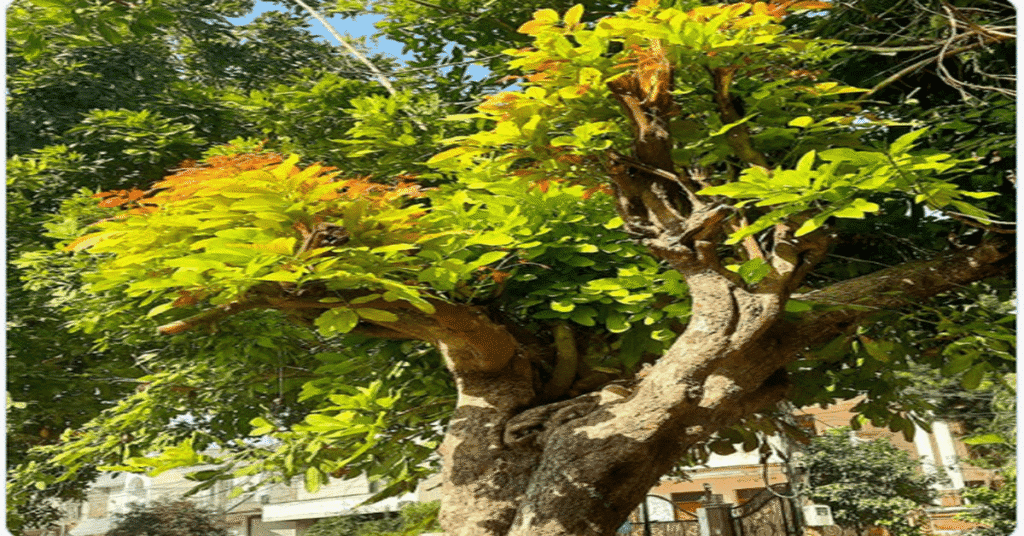
The tree also adds ecological beauty, especially when young leaves emerge in reddish-yellow shades from February to March, and the fruits ripen during the rainy season.
Culinary Heritage: Kusum Recipes
Tribal communities in Odisha have developed unique dishes from Kusum fruit:
Chutney
A tangy condiment made by boiling the fruit to extract a jelly-like pulp, then blending it with local spices such as chilli, salt, garlic, and coriander.
Kusum Letha
A seasonal dish prepared during lean months:
- Peel and boil Kusum fruits until soft.
- Mash into a jelly-like paste.
- Boil fresh water with turmeric, salt, and green chilies.
- Gradually add coarsely powdered rice and stir continuously.
- Mix in Kusum jelly and simmer for a few minutes.
- Serve hot as a side dish with traditional rice (pokhalo).
Traditional Oil Extraction

The THE seed oil is extracted using time-honored methods:
- Collect ripe fruits and separate seeds.
- Sun-dry seeds for several days.
- Crack shells and roast kernels lightly.
- Grind kernels into a paste and press in a traditional wooden or metal press.
- Filter oil and store in airtight containers.
Kusum oil is used in festivals, daily health routines, and skincare, reflecting its cultural and practical significance.
Reviving Wild Food Diversity
Experts emphasize the potential of Kusum and other wild edibles for food security and sustainable livelihoods. Nivedita Varshneya from Welthungerhilfe calls Kusum a symbol of agrobiodiversity, while Narsingh Jagat from WASSAN highlights its role in boosting rural incomes. The Odisha government, through the Department of Agriculture and Farmers’ Empowerment (DA&FE), is documenting and promoting wild edibles and traditional foods in tribal regions like Nuapada and Malkangiri.
ALSO READ- Zodiac signs that are favoured by Durga Maa
Traditional knowledge of wild foods is being revived to combat nutritional insecurity, hidden hunger, and the impacts of climate change. By combining culture, ecology, and health, The fruit represents a sustainable resource for local communities and future generations.
The tree, with its nutritious fruit, medicinal seeds, cultural significance, and ecological benefits, is a true hidden treasure of Odisha’s forests. From tribal culinary heritage to traditional medicine and festivals, Kusum exemplifies the harmony between nature and human life. Promoting its cultivation and use can strengthen food security, livelihoods, and biodiversity, ensuring that this wild treasure continues to thrive.


 By
By