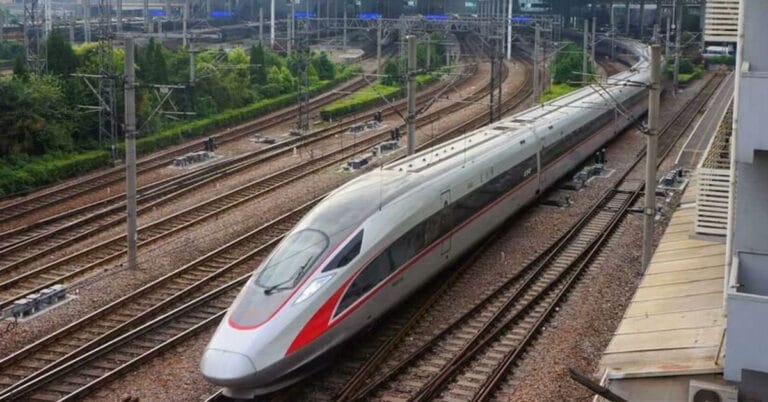

In a historic announcement, India has launched an unprecedented modernization drive to revolutionize its railway infrastructure. The government revealed plans to construct 7,000 kilometers of high-speed rail corridors under the Viksit Bharat Vision, enabling trains to operate at speeds of up to 350 km/h. This initiative represents a major leap toward creating one of the world’s most advanced and efficient rail networks.
A Vision for Future-Ready Railways
Union Railway Minister Ashwini Vaishnaw, speaking at the 16th International Railway Equipment Exhibition 2025 in New Delhi, emphasized that this modernization strategy is central to India’s goal of becoming a developed nation by 2047.
The corridors will serve as Dedicated Passenger Corridors (DPCs)—a complement to the successful Dedicated Freight Corridor initiative. Designed for maximum speeds of 350 km/h and operational speeds of 320 km/h, these lines will drastically reduce travel times between major cities.
The 7,000 km network will integrate advanced signaling systems, modern Operations Control Centres (OCCs), and indigenous safety technologies like the Kavach 5.0 automatic train protection system, supporting ultra-high-speed operations.
Expanding Infrastructure at Record Pace
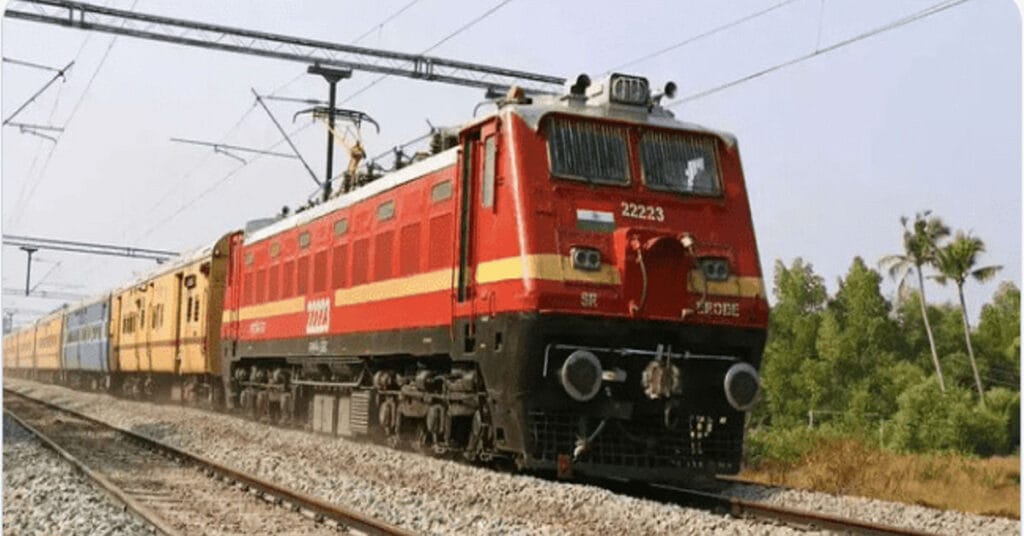
Over the past decade, Indian Railways has achieved significant milestones. The country has constructed 35,000 km of new railway tracks and electrified 46,000 km since 2014, making India a frontrunner in sustainable transport infrastructure. The modernization also includes the production of more than 40,000 new coaches and 1,600 advanced locomotives, ensuring a robust and safe passenger rail system.
These achievements mark a new era of growth fueled by smart investments and improved safety systems. The adoption of electronic interlocking, advanced track maintenance, and AI-powered operational analytics has substantially reduced rail accidents and improved scheduling efficiency.
The Rise of Next-Generation Trains
India is transitioning rapidly to next-generation rolling stock. The recently introduced Vande Bharat 4.0 and upcoming Amrit Bharat 4.0 trains promise unmatched comfort, speed, and design quality. The Vande Bharat 4.0 will feature cutting-edge materials, ergonomic seating, and improved energy efficiency. It is being designed to outperform global high-speed counterparts, with acceleration capabilities that can rival the Shinkansen and TGV.
Currently, India operates 156 Vande Bharat and 30 Amrit Bharat trains, along with 4 Namo Bharat services. The next iteration of these trains aims to set new global benchmarks in eco-friendly, high-speed passenger transit.
Integrating Sustainability and Innovation
The modernization plan goes beyond speed—it embodies sustainability. Indian Railways is on track to achieve 100% electrification by FY 2025-26 and aims to become a net-zero carbon emitter by 2030. The use of renewable energy, lightweight materials, and regenerative braking systems reflects the government’s commitment to environmental stewardship.
Technological innovation will also play a crucial role. AI-enabled traffic management and automated control systems are expected to reduce congestion, improve safety, and ensure punctuality across the network.
Boosting National Connectivity and Economic Growth
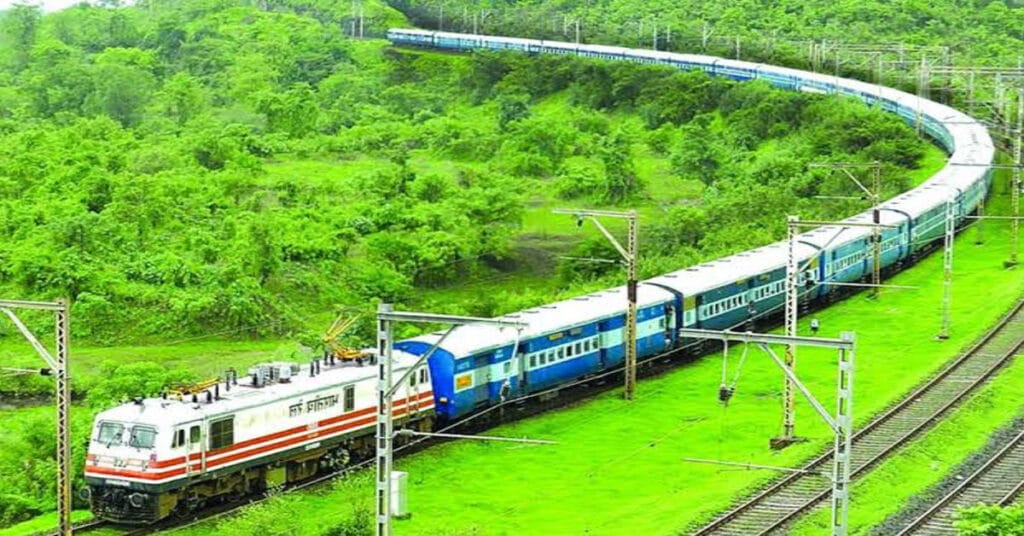
The 7,000 km high-speed network will redefine how India travels. By linking economic hubs such as Delhi, Mumbai, Chennai, Bengaluru, and Kolkata, these corridors will drastically reduce inter-city travel time, boost tourism, and stimulate regional development. Industrial zones, logistics parks, and smart stations will emerge along these routes, catalyzing urban growth and job creation.
According to the Ministry of Railways, the long-term $725 billion investment plan aims to make railways the backbone of India’s logistics and passenger transport infrastructure. It will also complement aviation and road transport, supporting balanced mobility solutions for 1.4 billion citizens.
READ ALSO – Bhubaneswar Records Stray Dog Population Far Above National Average
Conclusion
India’s decision to build 7,000 km of high-speed passenger rail corridors marks a bold and forward-thinking step toward modern mobility. With trains expected to run at 350 km/h, the country is firmly positioning itself among global leaders in transportation innovation. This initiative not only promises faster travel but also underscores India’s commitment to sustainability, technology, and inclusive national development.


 By
By


 Enregistrement à Binance says: