
Dubai, UAE – India vs Pakistan The ongoing political standoff between India and Pakistan spilled onto the cricket field at the Asia Cup 2025 in Dubai, ending in controversy. India’s captain, Suryakumar Yadav, confirmed that his team deliberately chose not to shake hands with their Pakistani counterparts as a form of protest.
The much-anticipated Group A clash between the archrivals, cleared only after extensive deliberations by the Indian government, had raised hopes among fans and experts that cricket might ease diplomatic tensions. Instead, the match concluded under the shadow of politics.
Yadav, though, crushed all expectations by saying his team’s thumping seven-wicket win in the T20 match was a “perfect reply” to Pakistan in the wake of the intense four-day cross-border conflict that brought both countries to the brink of an all-out war in May.
“Our [Indian] government and the BCCI [Board of Control for Cricket in India] were aligned on the decision to play this match. We came here just to play the match and gave them [Pakistan] a perfect reply,” Yadav told the media shortly after the match.
What happened at the end of the India vs Pakistan match?
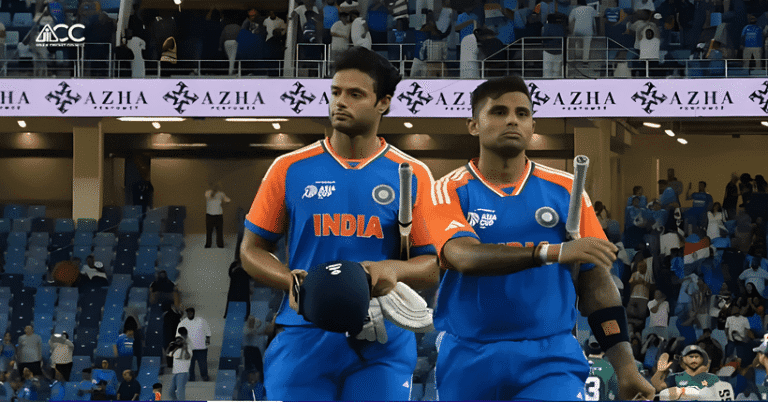
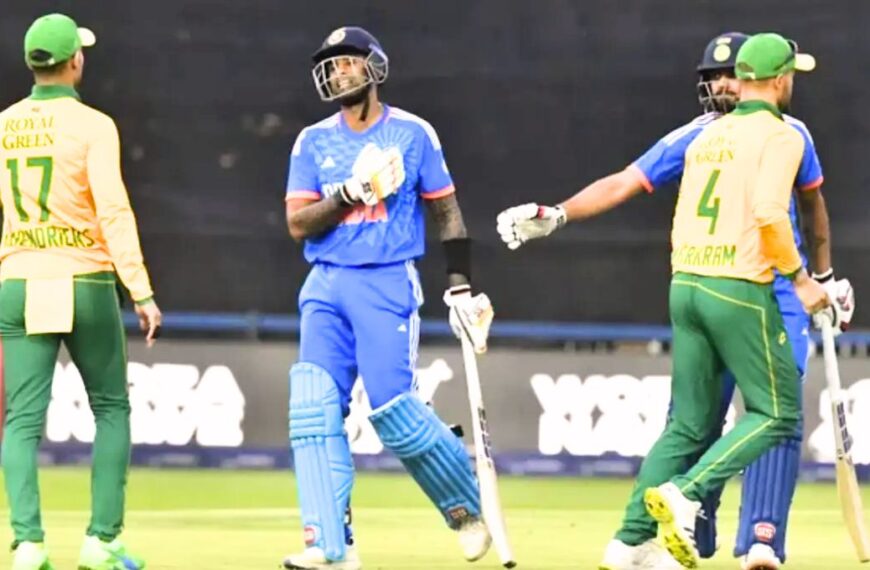
Yadav, who struck the winning runs for India, walked off with his partner Shivam Dube without heading towards the Pakistani captain or players for the customary post-match handshake.
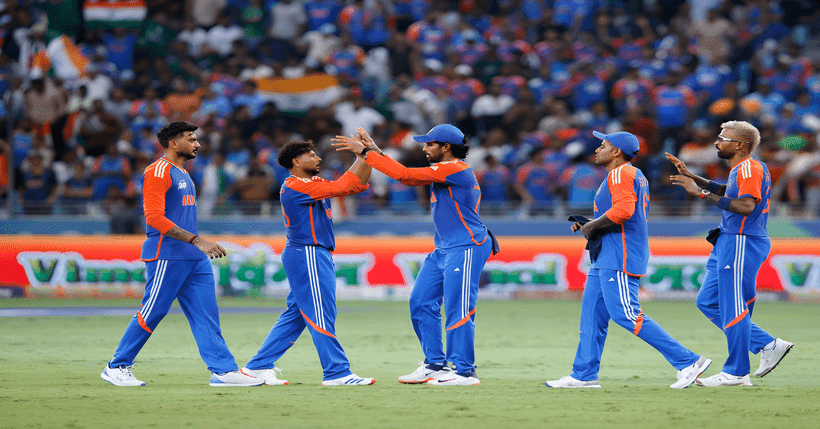
Meanwhile, Pakistan’s squad gathered together, waiting for the Indian team and support staff to come forward as is tradition after a cricket match. However, the Indian contingent only exchanged handshakes among themselves before heading straight into their dressing room, leaving the Pakistan players waiting outside.
Why did the Indian team refuse to shake hands with Pakistani players?
After the match, Indian captain Suryakumar Yadav was asked to explain his team’s decision and whether it went against the spirit of the game. He clarified that the move was taken in consultation with the BCCI and in solidarity with the victims of the recent Pahalgam terror attack. Yadav stressed that “some things in life are above sportsmanship,” dedicating the win to India’s armed forces.
“A few things in life are above sportsmanship,” the 35-year-old responded firmly.
“We stand with the victims of the Pahalgam terror attack and their families, and we dedicate this victory to our brave armed forces who carried out Operation Sindoor.”
Yadav was referring to India’s recent missile strikes on six locations inside Pakistan. According to India, the action was a direct response to the April 22 attack in Pahalgam, Indian-administered Kashmir, where 26 tourists were killed. The armed group known as The Resistance Front (TRF), which advocates for Kashmiri independence, claimed responsibility for the attack, though India alleged Pakistani involvement.
Two days later, Pakistan retaliated with strikes on military installations across the border and in Indian-administered Kashmir, targeting at least four facilities.
The conflict drew to a close four days later following an internationally brokered ceasefire.
Although the aerial exchanges stopped, diplomatic relations between the two neighbours remained frozen. The political tensions soon spilled onto the cricket field after the Asian Cricket Council (ACC) announced the much-anticipated India–Pakistan clash.
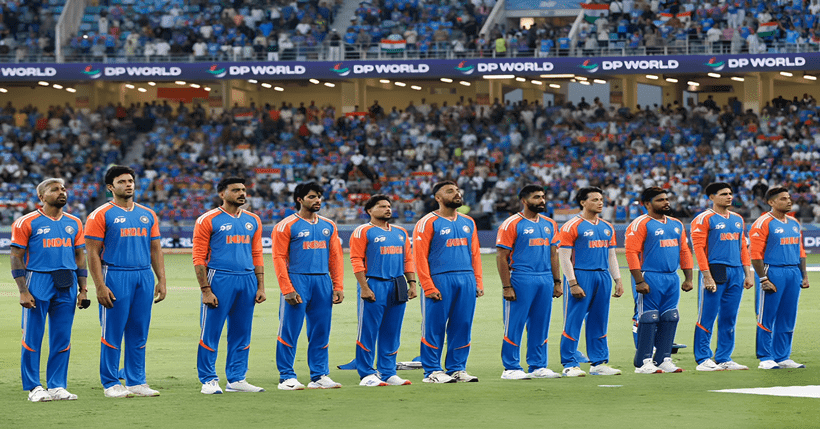
Did India break any rules by not shaking hands? (India vs Pakistan)
The match was played in a charged political atmosphere, and when both captains skipped the customary handshake at the pre-match toss, attention quickly turned to team interactions.
However, Al Jazeera has learned that match referee Andy Pycroft had instructed both captains — Suryakumar Yadav and Salman Ali Agha — to avoid the pre-toss ritual.
A Pakistan Cricket Board (PCB) official, speaking on condition of anonymity, told Al Jazeera: “The match referee requested both captains to not shake hands at the toss.”
According to the same source, match officials also permitted India to skip post-match handshakes with Pakistan — but crucially, this decision was never communicated to Agha or his team.
This led to an awkward post-match scene, with the Pakistani players trailing Yadav off the field and waiting for the Indians to return — only to see them head straight into the dressing room and close the door.
How did Pakistan respond?
Pakistan’s team manager, Naveed Akram Cheema, formally lodged a protest over India’s actions with match referee Andy Pycroft, an official accredited by the International Cricket Council (ICC).
“The umpires had allowed the Indians to walk off the field without shaking hands, for which the match referee apologised after our manager’s protest,” a PCB official said.
In addition, Pakistan captain Salman Ali Agha skipped the customary post-match interview with the host broadcaster as a mark of protest.
Head coach Mike Hesson later confirmed that Agha’s decision to avoid both the on-field chat and the media briefing was a “follow-on effect” of India’s actions.
“We were ready to shake hands at the end of the game, but our opposition did not do that,” Hesson explained. “We went over to greet them, but by then they had already gone into the dressing room.”
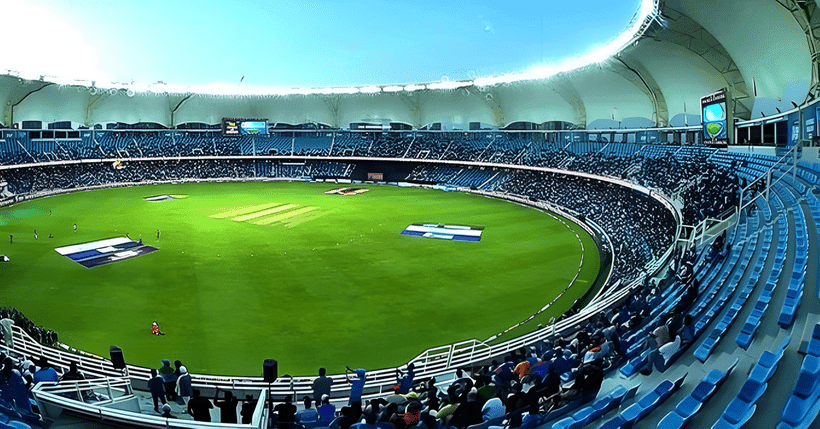
Why are handshakes important in cricket, and what’s the protocol?
In cricket, handshakes are a long-standing tradition symbolising respect and sportsmanship. Typically, at the end of a match, the two batters from the chasing side shake hands with the fielding team and the umpires before leaving the field. The rest of the batting side then joins in, walking onto the ground to greet their opponents.
This custom allows both teams to finish the contest on a friendly note, often with a brief exchange of encouragement.
Similarly, before play begins, it is customary for both captains to shake hands ahead of the toss — conducted by the match referee on the pitch around 30 minutes before the start and usually broadcast live.
Both captains, along with the match referee, often engage in a brief pre-match chat to discuss team line-ups or other matters of mutual interest. The referee may also meet with a captain, head coach, or team manager individually before the start of play.
READ ALSO - Saim Ayub Becomes Second Pakistani Opener to Get Golden Duck Against India in Asia Cup 2025What have the tournament officials said about the incident?
Asian Cricket Council (ACC) chairman Mohsin Naqvi, who also heads the Pakistan Cricket Board (PCB), criticised India’s actions.
“Utterly disappointing to witness the lack of sportsmanship today,” Naqvi wrote in a post on X. “Dragging politics into the game goes against the very spirit of sports.”
Al Jazeera has contacted the Asian Cricket Council (ACC) for comment on reports that both captains were instructed to skip the pre-toss handshake, but the council has yet to respond.
Meanwhile, Pakistan and India could face each other again in the Asia Cup if both sides advance to the Super Four stage. India have virtually secured qualification with two wins from two matches, while Pakistan must beat the UAE in a must-win clash on Wednesday.
If both teams progress, their Super Four encounter is scheduled for Sunday in Dubai.

 By
By
 Skapa ett gratis konto says: