Pakistani Fighter Jet Losses: IAF Chief Confirms Six Aircraft Downed in Operation Sindoor
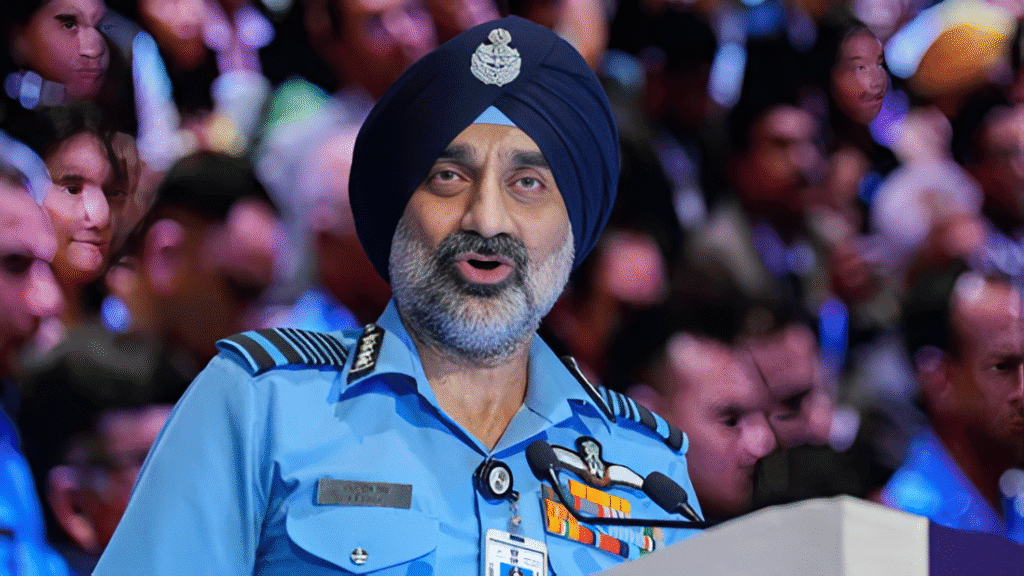
Air Chief Marshal A P Singh revealed on Saturday that the Indian Air Force (IAF) shot down at least five Pakistani fighter jets (Praising S-400) and one large aircraft during Operation Sindoor in May.
This the first time a senior IAF official has publicly specified the exact number of Pakistani aircraft destroyed, although India has previously spoken about Pakistan’s losses since the operation.
“We have at least five fighters confirmed destroyed, along with one large aircraft — possibly an ELINT or AEW&C platform — taken out from nearly 300 kilometres away. This marks the longest recorded surface-to-air kill we can speak of,” the IAF Chief stated during his keynote speech at the 16th Air Chief Marshal L M Katre Memorial Lecture in Bengaluru.
Singh credited the operation’s success to strong political will, noting that the armed forces were given “very clear directions” with no operational restrictions.
IAF Chief Details Extent of Damage Inflicted on Pakistan During Operation Sindoor
Air Chief Marshal A P Singh did not disclose the specific models of Pakistani fighter jets destroyed, but confirmed that initial assessments indicated no F-16s were shot down in the air.
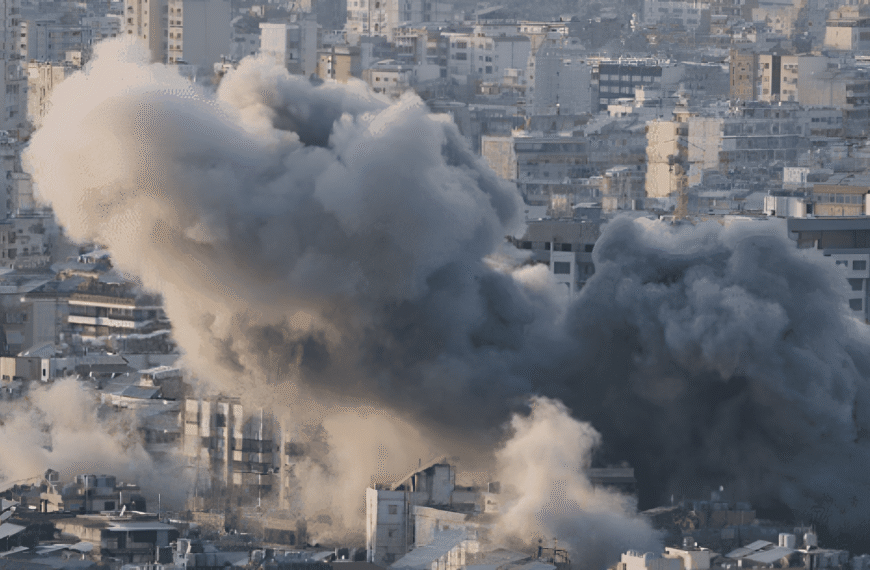
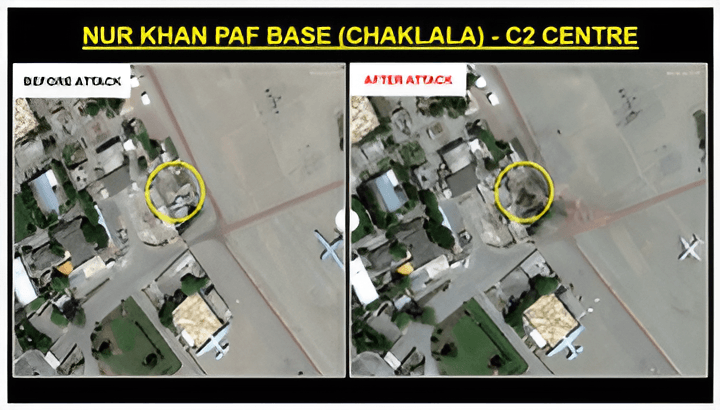
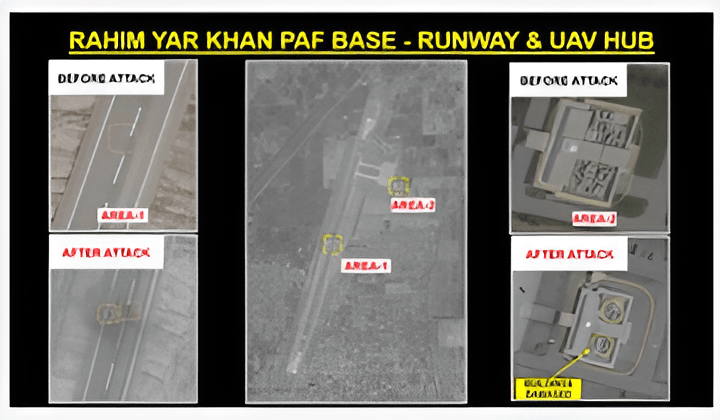
Outlining Pakistan’s losses, he said the Shahbaz Jacobabad airfield sustained heavy damage. “There’s an F-16 hangar there — half of it is gone. I’m certain some aircraft inside were damaged. We also struck at least two command and control centres, including Murid and Chaklala,” he said, citing reconnaissance images.
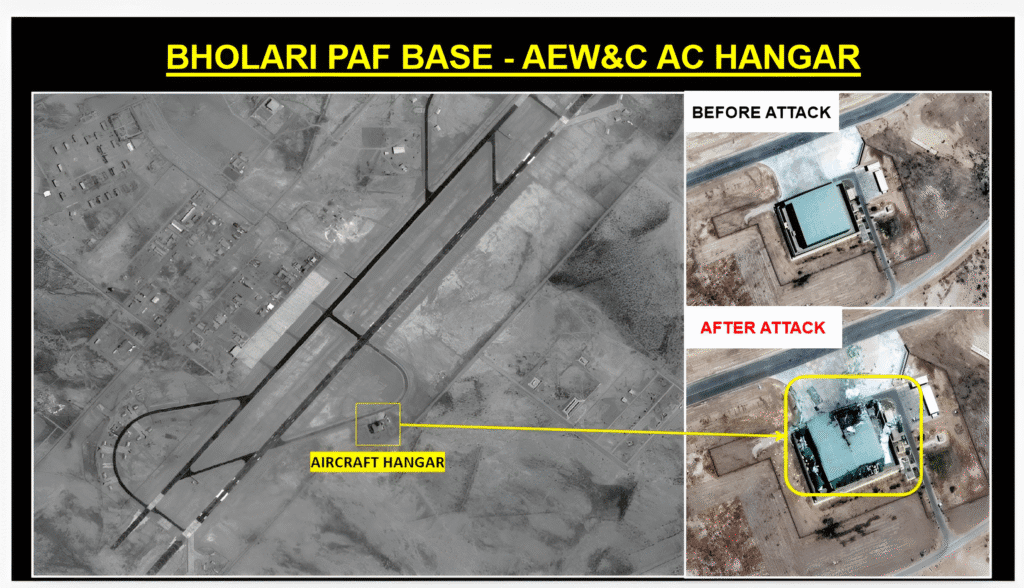
The IAF Chief reported that at least six radars — both large and small — were destroyed. He added that there were signs of damage to one AEW&C (Airborne Early Warning and Control) aircraft in its hangar at Bholari, along with a few F-16s undergoing maintenance.
He also described strikes on other military bases, such as Sargodha. “In the Air Force, we grow up dreaming of days like this — to get a chance to take on these bases. I got mine just before retirement,” he remarked.
Singh further revealed that numerous Pakistani unmanned aerial vehicles (UAVs) and drones — some of whose missiles landed in Indian territory — were recovered, along with other debris. These, he said, were being examined to determine their launch points, flight paths, system types, technological generation, and capabilities.
IAF Chief Showcases Operation Sindoor Strikes, Calls S-400 a ‘Gamechanger’
Air Chief Marshal A P Singh presented ‘before and after’ images showing the extensive damage inflicted on Pakistan’s Bahawalpur, the headquarters of the Jaish-e-Mohammed (JeM). “There’s hardly any collateral damage here… The adjacent buildings remain intact. We had satellite imagery as well as pictures from local media, which gave us inside views,” he said.
He praised India’s air defence capabilities, singling out the recently acquired S-400 surface-to-air missile system as a decisive factor. “The S-400 has been a gamechanger. Its kill range kept their aircraft far beyond the distance needed to deploy long-range air-to-ground weapons like glide bombs. Pakistan could not use them because they couldn’t penetrate our defences,” he explained.
Describing Operation Sindoor as a “high-tech war,” Singh said India inflicted substantial damage in just 80–90 hours, sending a clear message to Pakistan that escalation would come at a higher cost. “They soon approached our DGMO expressing a desire to talk — a proposal we accepted,” he noted.
BIG REVEAL | Air Chief Marshal Amar Preet Singh says India’s #S400 system took down 5 Pak fighter jets & 1 large aircraft (possibly ELINT/AEW&C) from ~300 km away during #OperationSindoor.
“Largest ever recorded surface-to-air kill.” — @IAF_MCC
Proud of our forces & leadership!… pic.twitter.com/ijqSvewPF1— Advocate Ajay Nanda (@ajay_mlnanda) August 9, 2025
The IAF Chief emphasised that security forces were given complete operational freedom. “We had full autonomy over the rules of engagement, escalation ladder, and its control. There were no restrictions. Our attacks were calibrated because we wanted to handle it with maturity,” he said.
Reflecting on the 2019 Balakot air strikes, Singh said, “Back then, it was a big challenge to convey to our people what we had achieved. This time, we’ve laid that ghost to rest by clearly showing the world our results.”
He also highlighted the strength of India’s integrated air defence network, stating that no Pakistani aircraft could get close to systems like Akash and MRSAM. All hostile aircraft were engaged by India’s LRSAM systems. “While they tried to stay out of range, they occasionally drifted into it. That night, we didn’t hold back — we attacked up front to stretch their resources,” he said.
Singh stressed that the objective was not to target a single airfield but to demonstrate that India can strike deep inside Pakistan, at will, and wherever it chooses.
Describing Operation Sindoor as a “high-tech war,” Air Chief Marshal A P Singh said the Indian Air Force inflicted significant damage in just 80–90 hours, sending Pakistan a clear warning that any escalation would come at a greater cost. “They soon approached our DGMO with a request to talk — a proposal we accepted,” he said.
The IAF Chief stressed that the armed forces were given complete operational freedom. “We had full autonomy over the rules of engagement, the escalation ladder, and its control. There were no restrictions. Our strikes were calibrated because we wanted to act with maturity,” he noted.
Recalling the 2019 Balakot air strikes, Singh remarked, “Back then, it was a challenge to show our people what we had achieved. This time, we’ve put that ghost to rest by clearly presenting the results to the world.”
He highlighted the strength of India’s integrated air defence network, stating that no Pakistani aircraft came close to systems like Akash and MRSAM. All hostile aircraft, he said, were engaged by the LRSAM systems. “While they tried to keep their distance, they occasionally came within range. That night, we didn’t hold back — we went on the offensive to stretch their resources,” Singh explained.
He emphasised that the aim was not to target a single airfield but to prove that India could strike deep inside Pakistan, at will and at any location of its choosing.
While Singh made no mention of Indian aircraft losses, senior Indian officials have acknowledged that some aircraft or jets were lost during the operation, a point the government has neither confirmed nor denied.
In May, Chief of Defence Staff (CDS) General Anil Chauhan acknowledged that India had lost an unspecified number of aircraft during Operation Sindoor.
Earlier that month, the IAF’s Director General Air Operations, Air Marshal A K Bharti, said that losses were a normal part of any combat. He emphasised that the Indian military had achieved all its planned objectives and that all IAF pilots had returned home. When asked about Indian aircraft losses, Bharti declined to comment but confirmed that Pakistan had also lost a few aircraft.
READ ALSO – Pakistan vs West Indies 1st ODI Highlights: Hasan Nawaz Guides Pakistan to Five-Wicket Victory
On June 10, India’s Defence Attaché to Indonesia, Captain Shiv Kumar, stated at a seminar in Jakarta that the IAF had lost “some aircraft.” He attributed the losses to political directives that initially barred attacks on Pakistani military infrastructure and air defences. “After the loss, we changed our tactics and targeted military installations. We first suppressed enemy air defences and then carried out successful strikes using BrahMos missiles,” he explained.
Responding to Opposition criticism in the Lok Sabha earlier this month, Defence Minister Rajnath Singh countered that the focus should be on the operation’s achievements. “They didn’t ask how many Pakistani planes were shot down. They should ask: Did India destroy terror bases? Yes. Was Operation Sindoor successful? Yes. Were the masters of terrorists who wiped sindoor from our sisters’ foreheads eliminated? Yes. Did our soldiers face any losses? No,” Singh asserted. “Focus on big things, not small ones — else we lose sight of major issues and the honour of our soldiers.”


 By
By