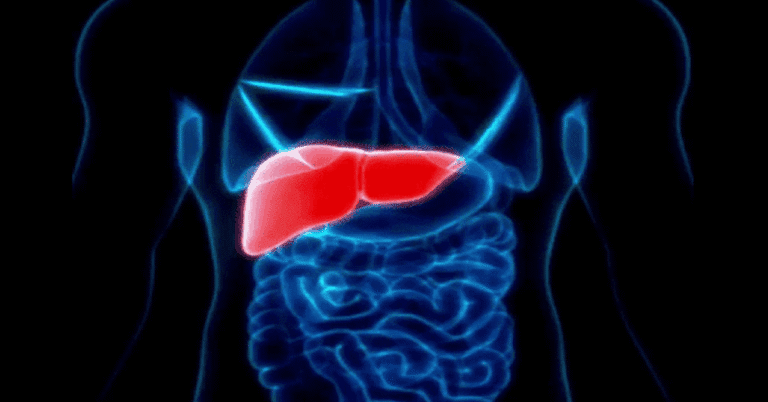

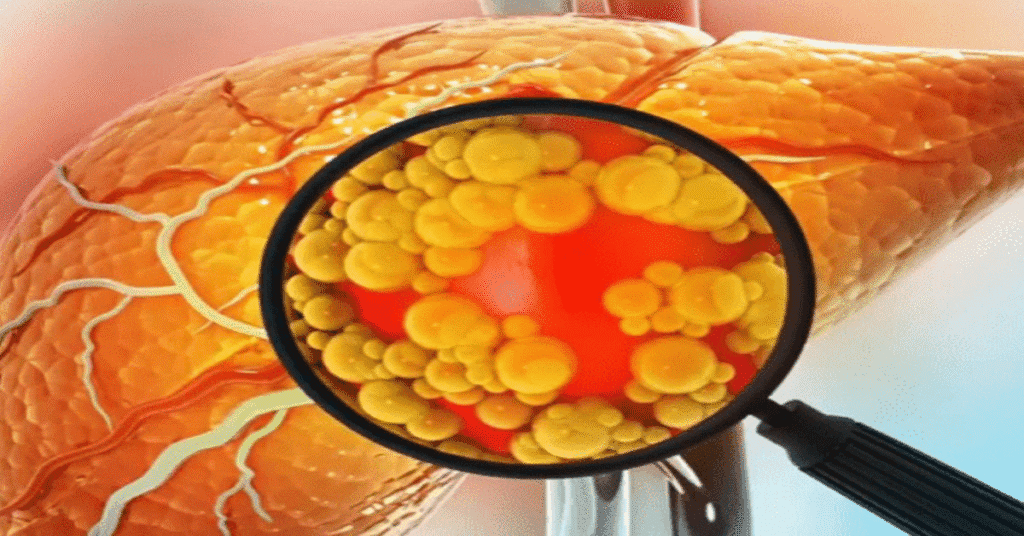
How to Check for Fatty Liver at Home- Fatty liver disease develops when excess fat builds up in the liver, often without any clear symptoms in its early stages. This silent condition can eventually lead to serious health problems like cirrhosis, liver failure, or even liver cancer if left untreated. Early detection plays a key role in preventing complications, and certain symptoms can be monitored at home before seeking medical advice.
Dr. Saurabh Sethi, a Harvard and Stanford-trained gastroenterologist, highlights five warning signs of fatty liver disease that people can notice in their daily lives.
Table of Contents
1. Unexplained Weight Gain in the Abdominal Area
One of the first warning signs of fatty liver disease is weight gain in the midsection that does not align with overall body weight changes. This happens because the liver, the body’s center for fat metabolism, becomes overloaded with fat.
When fat accumulates in the liver, it contributes to insulin resistance, which further promotes belly fat storage. If your waistline continues to expand despite no major changes in diet or physical activity, it may be time to evaluate your liver health.
2. Persistent Fatigue Despite Rest
The liver is also the body’s energy metabolism hub. When fat builds up in liver tissue, its ability to convert nutrients into energy declines. This results in a lingering sense of tiredness that doesn’t improve even after getting enough sleep.
Unlike general tiredness, the fatigue linked with fatty liver persists over time, signaling that the organ may be struggling with toxin removal and energy production. Monitoring ongoing tiredness without another clear cause is essential.
3. Discomfort or Dull Ache Under the Right Rib Cage
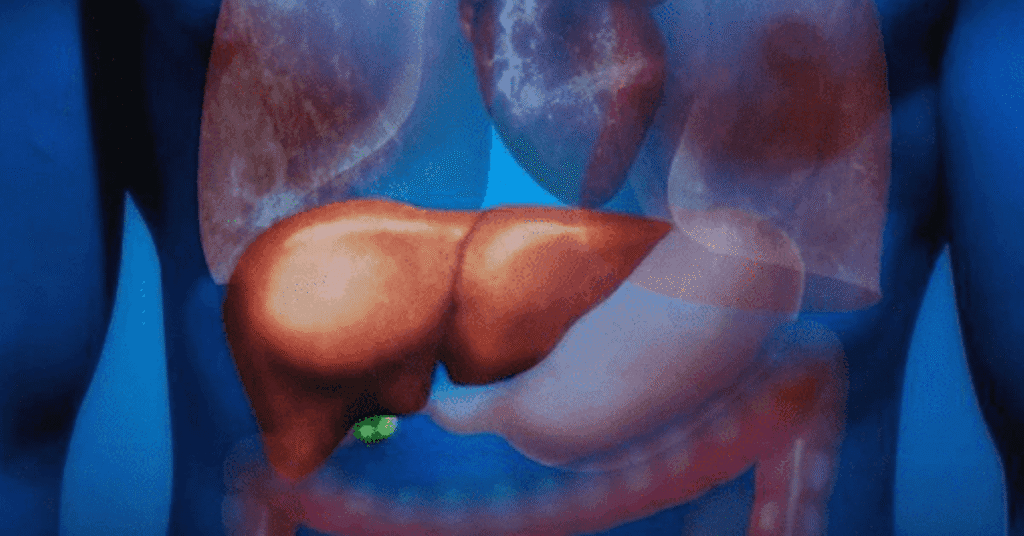
The liver sits just below the right rib cage. As fat builds up, the organ becomes inflamed and slightly enlarged, leading to discomfort or a dull ache in that area.
This sensation is not typically sharp or stabbing. Instead, it feels like pressure or fullness, which may worsen after meals or physical activity. While not always severe, this symptom—combined with other indicators—can point to fatty liver disease in its early stages.
4. Changes in Skin and Hair Health
A fatty liver affects more than internal organs—it can show up externally on your skin and hair. According to Dr. Sethi, the following changes may indicate liver dysfunction:
- Dry, itchy skin and unusual rashes
- Acne flare-ups without clear triggers
- Yellowish discoloration of skin and eyes (a sign of impaired bile processing)
- Thinning hair or increased hair loss
These issues occur because a damaged liver struggles to remove toxins and regulate hormones effectively. If skin and hair problems appear suddenly without other explanations, liver health should be checked.
5. Digestive Symptoms: Nausea and Loss of Appetite
Another subtle sign of fatty liver disease is a decline in digestive efficiency. People may experience:
- Nausea, especially after light meals
- Reduced appetite without other stomach issues
- Feeling full quickly
Since the liver plays a vital role in digestion, toxin elimination, and nutrient absorption, fat accumulation interferes with these processes, leading to these mild but persistent symptoms.
What Really Causes Fatty Liver? and (How to Check)
Dr. Sethi emphasizes that it is not just fat consumption that leads to this condition. Instead, high-fructose foods and poor-quality oils are the biggest offenders. Sugary drinks, processed snacks, and refined cooking oils contribute significantly to liver fat buildup.
ALSO READ- Indian Families Likely to Save 27–30% on Taxes Under GST 2.0, Says Report
On the other hand, healthy fats like olive oil, avocados, nuts, and seeds can actually support liver recovery. These nutrient-rich fats reduce inflammation and provide essential compounds that help restore liver function.
How to Prevent and Manage Fatty Liver
While medical consultation is essential for diagnosis, lifestyle changes play a critical role in prevention and treatment. Dr. Sethi suggests:
- Choosing healthy fats (olive oil, avocados, nuts) instead of processed oils
- Reducing sugar intake, especially fructose-rich foods and drinks
- Exercising regularly to improve metabolism and reduce liver fat
- Getting 8–9 hours of quality sleep to allow the body to repair itself
- Maintaining a nutrient-dense diet full of vegetables, fruits, and lean proteins
Fatty liver disease often develops quietly, but the body provides subtle warning signs that should not be ignored. By paying attention to unexplained belly weight gain, fatigue, right-side discomfort, changes in skin and hair, and digestive issues, individuals can catch the disease in its early stages.
As Dr. Sethi reminds us, healthy lifestyle choices—particularly diet and exercise—are the best defense. If these signs are noticed, a medical evaluation should be the next step to confirm diagnosis and prevent long-term complications.


 By
By