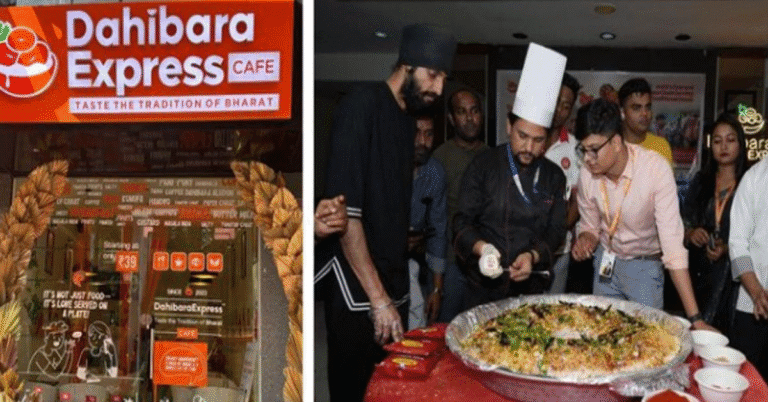

Street food in India has always been more than just a quick bite—it’s an emotion, a tradition, and in many cases, a livelihood. Among the many beloved delicacies, Dahibara Aloo Dum from Odisha has carved its own special place. Recently, a story of a man who turned this simple dish into a thriving business worth Rs 1.8 crore has caught public attention. His journey shows how passion, hard work, and innovation can transform a small food stall into a business empire.
A Humble Beginning
Table of Contents
The story begins in Odisha, the birthplace of Dahibara Aloo Dum. This dish, made with soft dahi-soaked bara (lentil fritters), spicy aloo dum, and tangy chutneys, has been a favorite snack for decades.
The man behind this inspiring success started with nothing more than a roadside cart. With no big capital or financial backing, he relied on his culinary skills and determination. Initially, he sold plates of Dahibara to local customers, often working long hours under the sun. What set him apart was his insistence on maintaining authentic taste, cleanliness, and consistency.
Building Trust with Taste
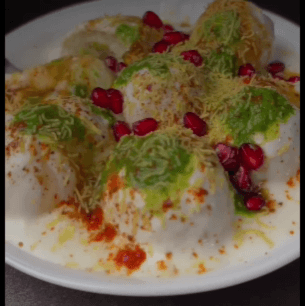
In the competitive world of street food, taste and trust matter the most. Unlike many vendors, he refused to compromise on quality. He used fresh curd, homemade masalas, and hygienic practices. Soon, word spread about the flavor of his Dahibara, and customers started lining up at his stall.
His stall didn’t just serve food; it offered an experience. For many, eating at his stall became a ritual, a reminder of home-cooked authenticity. His friendly attitude and fair pricing built customer loyalty, which proved to be the foundation for his future growth.
From Street Cart to Food Chain
As his popularity grew, so did his ambition. With the money he saved, he expanded from a roadside stall to a small shop. From there, he reinvested his earnings to open multiple outlets across Odisha and eventually in other cities.
Each outlet carried the same promise—authentic Dahibara Aloo Dum with the same taste people loved. To maintain consistency, he personally trained his staff and ensured every ingredient was sourced carefully. Gradually, his outlets turned into a recognized food chain.
Today, his brand is not just a local name but a growing business worth Rs 1.8 crore. What began with a small stall now employs dozens of people and caters to thousands of customers daily.
Innovation and Modern Touch
One of the secrets of his success was his willingness to adapt. While the recipe remained traditional, he introduced small innovations such as eco-friendly packaging, online ordering, and delivery partnerships with food apps. This allowed him to reach young, urban customers who preferred convenience without compromising on authenticity.
READ ALSO- Odisha Farmers Go High-Tech: Drones Spray Pesticides in Nayagarh
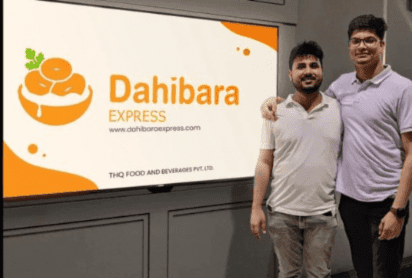
He also invested in branding—something most street food vendors overlook. From well-designed signboards to social media promotions, he made sure his business stood out. This modern touch gave his Dahibara outlets a professional appeal and helped attract a wider audience.
Inspiring Journey of Self-Made Success
The journey of this Dahibara seller is more than just a business story—it is a lesson in resilience. From struggling to make ends meet to becoming a successful entrepreneur, he proved that dedication and honesty can take even a humble dish to great heights.
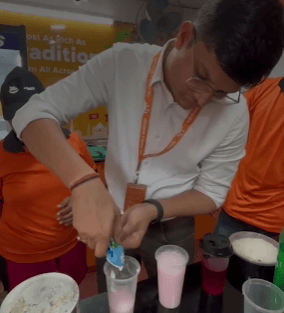
His rise also inspires thousands of small vendors who dream of scaling their businesses. It shows that passion for one’s work, combined with quality and customer care, can open doors to success beyond imagination.
The success story of a man who turned Dahibara Aloo Dum into a business empire worth Rs 1.8 crore is a testament to the power of dreams. What began as a small cart on the streets of Odisha has now become an inspiring example for aspiring entrepreneurs.
This journey reminds us that no idea is too small and no dream is too big. With hard work, innovation, and commitment to quality, even a plate of humble Dahibara can make someone rich and turn them into a role model for society.


 By
By


 "oppna binance-konto says: