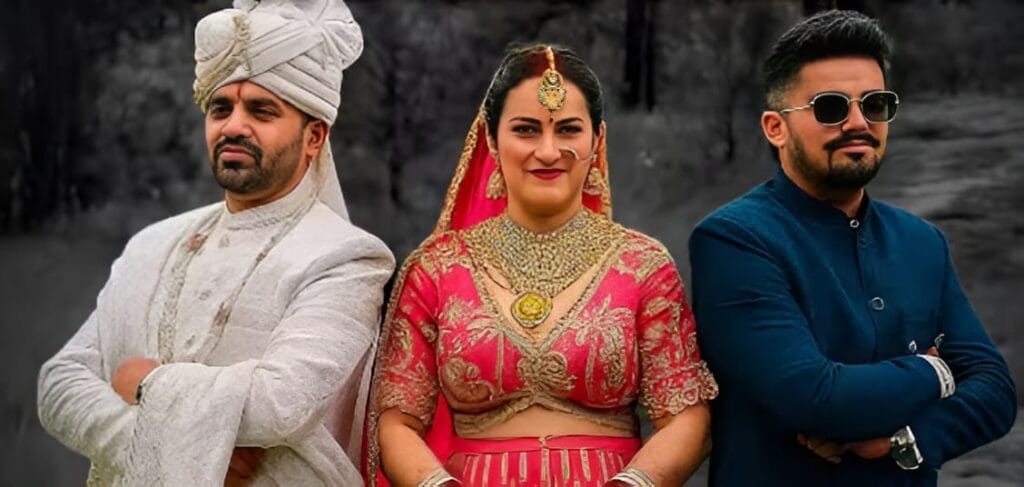
Two brothers from Himachal Pradesh, who recently tied the knot with the same woman, have spoken publicly for the first time about their decision, defending it as part of an ancient cultural tradition deeply rooted in their community.
Despite facing criticism from some corners of society and social media, the Negi brothers of Thindo, a village in Shillai, Sirmaur district, insist that their marriage reflects the long-standing “jodidar pratha”—a form of fraternal polyandry historically practiced in their clan and neighbouring regions.
The Marriage (Himachal ‘Jodidar’)and Its Cultural Context
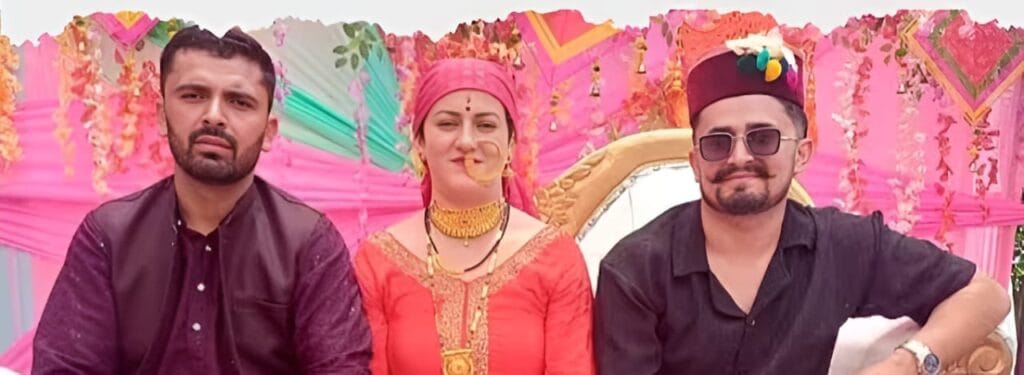
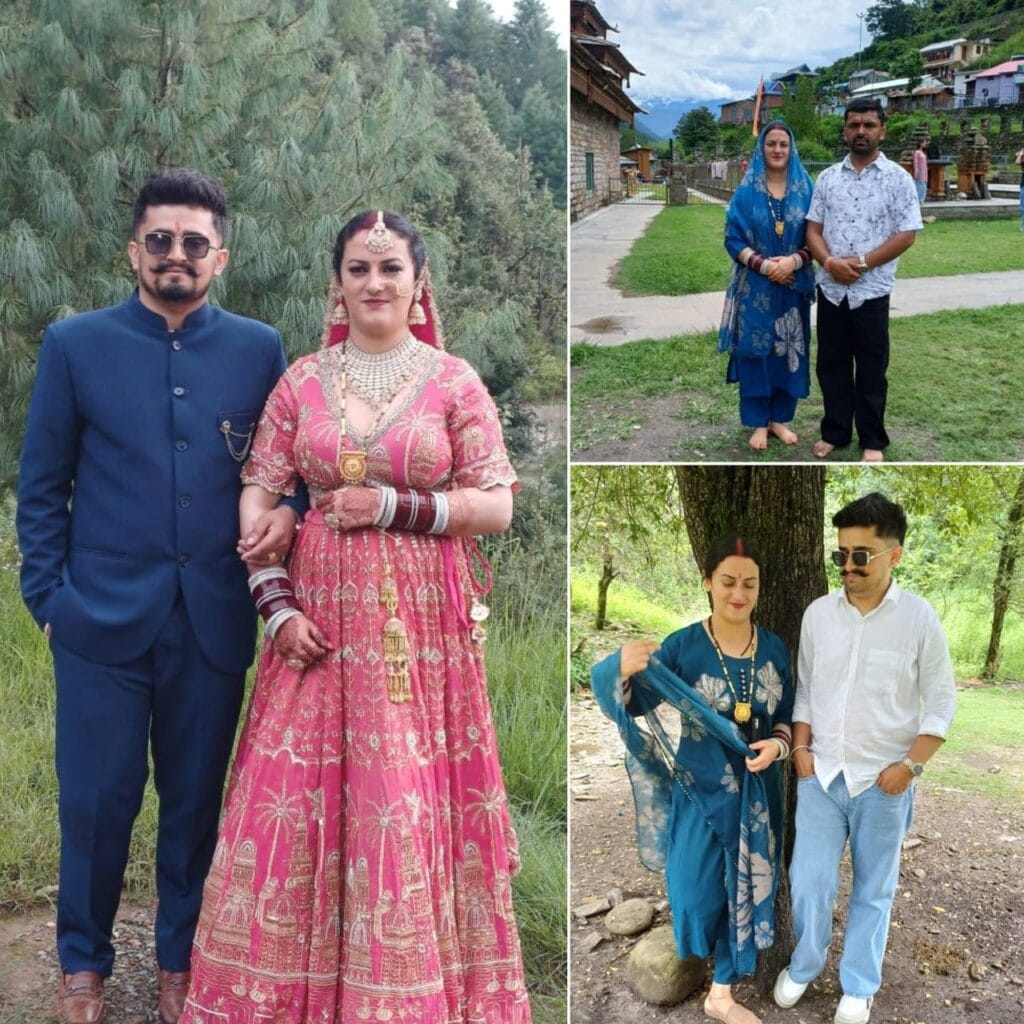
The brothers, Pradeep and Kapil Negi, married Sunita Chauhan from Kunhat village in July this year in a three-day celebration filled with traditional dances, folk songs, and community gatherings. This marriage followed the Jodidara custom, a local term for polyandry in the Hatti community, where two or more brothers marry the same woman.
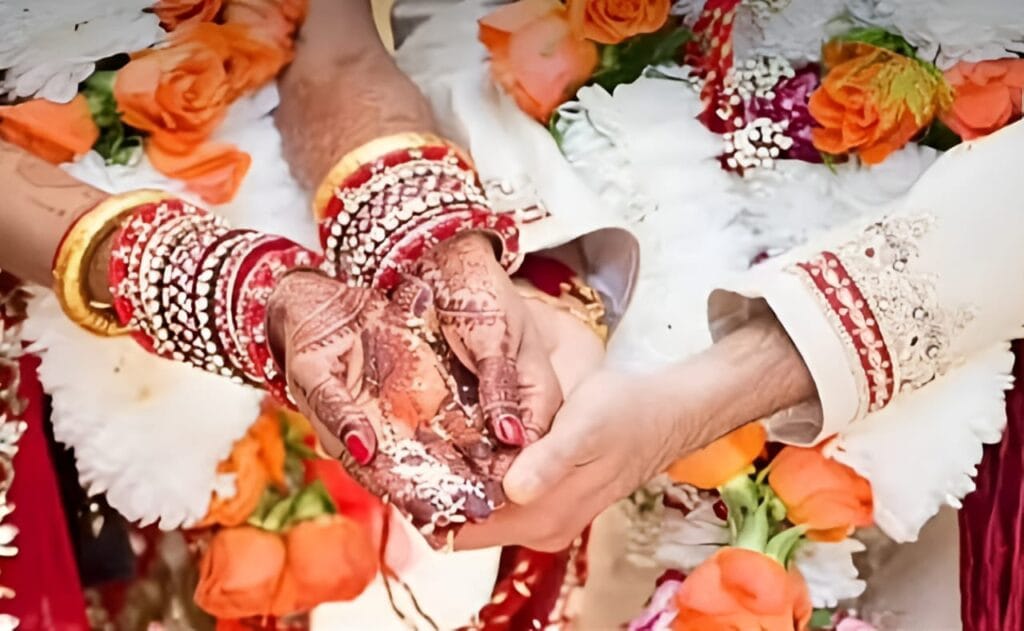
The wedding began on July 12 in their native hamlet of Shillai, located in the Trans-Giri belt—an area known for its adherence to the Hatti cultural practices. Colourful rituals, community feasts, and the exchange of garlands between the bride and both grooms marked the ceremony. According to the brothers, the arrangement was made voluntarily, with full consent from both families and the bride herself.
The practice, while rare today, is not unique to their area. Similar customs are observed in the Jaunsar-Bawar region of Uttarakhand, where two brothers often wed the same woman to preserve property within the family and maintain close familial bonds. In these weddings, both grooms participate equally in the marriage rituals, including the symbolic garland exchange.
एक दुल्हन से दो भाइयों की शादी पर बहस: हिमाचल प्रदेश की जोड़ीदारा परंपरा क्या है?
रिपोर्ट: सौरभ चौहान
वीडियो: दीपक जसरोटिया pic.twitter.com/u6D2soR4tG— BBC News Hindi (@BBCHindi) July 29, 2025
Defending Tradition Amid Criticism In a video posted on Facebook, elder brother Pradeep Negi addressed the growing public curiosity—and criticism—over their marriage.
“I don’t care that some people are abusing us on social media,” Pradeep said firmly. “This tradition has been followed for generations, and it will continue. People who do not understand our culture are quick to judge, but they should know we are proud of our customs.”
Pradeep emphasised that their marriage was not a stunt for publicity but a deeply personal choice rooted in community norms. He also noted that Jodidara is not confined to their region but has parallels in other Himalayan communities.
His younger brother, Kapil Negi, echoed this sentiment, explaining that unlike some arranged marriages where individuals have little say, their union was a product of mutual agreement. “It was voluntary. We both accepted it, our wife accepted it, and our families are happy. That’s all that matters,” Kapil said.
A Tradition With Practical Roots
Fraternal polyandry in these highland communities has historical and practical origins. For generations, families in the Himalayan belt have practiced it as a way to keep ancestral land from being fragmented among multiple heirs. In a region where farming is often the primary livelihood and land is limited, dividing property could weaken a family’s economic stability.
By sharing one wife, brothers keep the family land intact, work together on agricultural responsibilities, and maintain household unity. Traditionally, the eldest brother in such marriages is recognised as the legal father of the children, though the upbringing is a collective effort.
While the practice has declined over the past few decades due to social change, urban migration, and modern education, it still survives in small pockets of Himachal Pradesh, Uttarakhand, and parts of Ladakh. For communities that retain it, the arrangement is seen not only as an economic strategy but also as a way of preserving kinship ties.
The Negi Brothers’ Perspective
Pradeep Negi made it clear that their decision was not influenced by any external pressure or desire for media attention. “We belong to a simple, low-income family. We don’t own large amounts of land or have ambitions for stardom. We didn’t get married to make headlines,” he explained.
Kapil added that the core of their decision was love and togetherness. “The purpose of this marriage is to remain together and continue to love each other. We ask people not to criticise us because we have our own lives, and we are content,” he said.
Both brothers stressed that they would continue to advocate for their customs despite external opinions. “I will keep speaking in favour of our traditions and culture. People who have never lived in our community are trying to tell us what is right and wrong, but they do not understand the values we live by,” Pradeep asserted.
The Bride’s Consent and Family Support
Sunita Chauhan, the bride, has largely stayed out of the media spotlight, but according to the brothers, she fully supported the arrangement from the start. In their telling, discussions between the families were transparent, and Sunita agreed to the marriage knowing it followed a respected tradition.
The families of both sides were entirely in favour, seeing the union as a continuation of ancestral ways rather than a break from modernity. Community elders, too, blessed the couple, underscoring the cultural acceptance of Jodidara in certain villages.
Social Media Backlash and Local Solidarity
While the marriage has drawn criticism on social media, with some users calling the practice outdated, in the brothers’ immediate surroundings the response has been largely supportive. Neighbours and relatives attended the wedding festivities, which featured folk dances, drumming, and songs celebrating love and unity.
Local residents argue that outsiders, unfamiliar with the region’s way of life, should avoid imposing their moral frameworks on a community’s internal customs. “Every community has its own traditions,” one villager said. “What may seem strange to others is normal here.”
ALSO READ- Couple Alleges Delhi Restaurant Denied Entry Due to Indian Attire
Tradition vs. Modernity
The Negi brothers’ marriage has sparked a wider conversation about the tension between preserving cultural traditions and adapting to modern social norms. While fraternal polyandry is increasingly rare, its continued existence reflects the resilience of certain cultural identities in the face of change.
Anthropologists studying the practice have pointed out that in many Himalayan societies, survival historically depended on collective family effort. Such marriages ensured that brothers worked together rather than competing for resources, thus strengthening the family’s position in a harsh mountain environment.
Today, as education and migration expose younger generations to different lifestyles, the custom is fading. Yet for those who still follow it, jodidar is more than a marital arrangement—it’s a symbol of unity, shared responsibility, and respect for ancestral ways.
For the Negi brothers, the message is simple: their marriage is a personal decision that harms no one and brings happiness to all involved. As Pradeep concluded in his Facebook statement, “We have our own lives, our own choices. We are happy, our families are happy, and that is enough. The rest is noise.”

 By
By