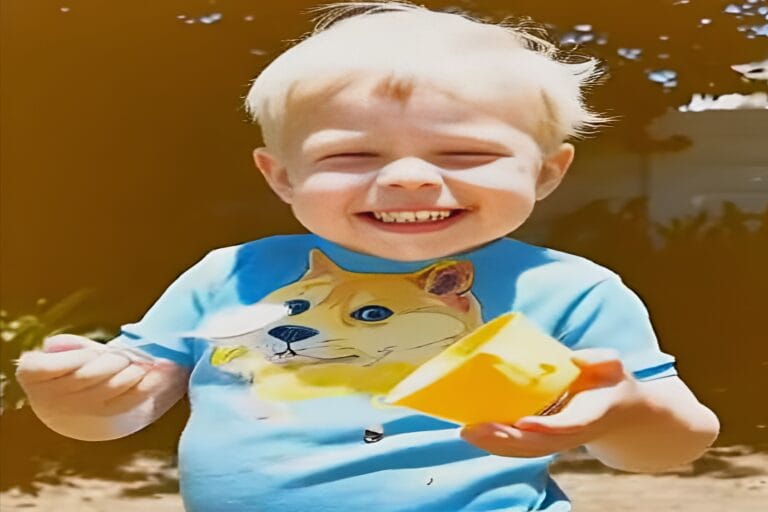

Artificial Intelligence continues to reshape the way we look at technology, art, and even personal memories. Elon Musk’s AI tool, Grok Imagine, is the latest to capture global attention after a striking video surfaced on X (formerly Twitter). The viral clip showcased Musk’s own childhood photograph, taken around 50 years ago, reimagined as a moving video.
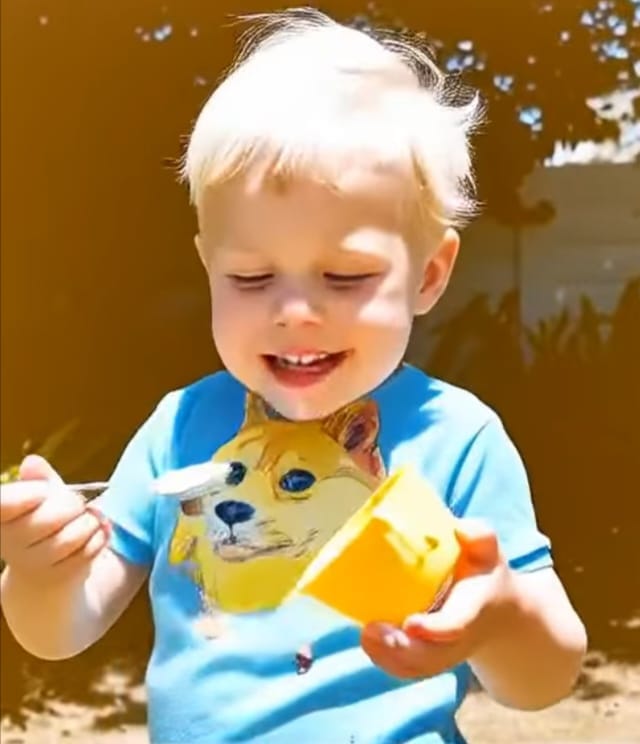
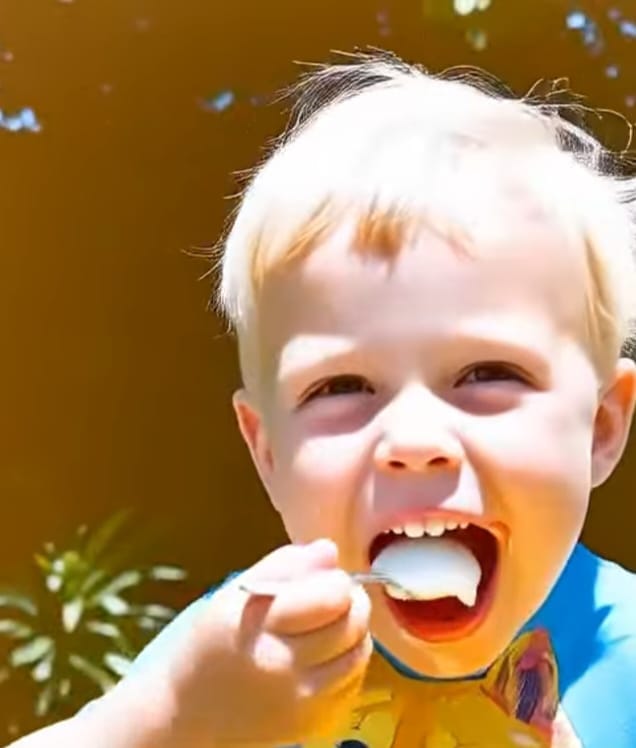
In the clip, a young Musk appears as a cheerful toddler dressed in a blue “Doge” T-shirt. He is seen happily enjoying an ice cream, flashing a contagious smile before scooping another spoonful into his mouth. The short video, which blends nostalgia with cutting-edge AI technology, has since been viewed more than 14 million times and ignited a wave of reactions across social media.
Elon Musk Reacts to His Own Childhood Reimagined
Sharing the video with his 𝕏 followers, Musk acknowledged the surreal nature of the creation. “Grok turns an old picture of me from 50 years ago into a video,” he wrote, subtly highlighting the capabilities of Grok Imagine.
The post quickly drew attention, with thousands of comments, likes, and shares flooding in. Many users were fascinated by the feature’s ability to revive still photographs, while others questioned its implications.
For many, the video was nothing short of magical. AI enthusiasts celebrated the technology’s potential to breathe life into static moments. One user praised it as a breakthrough: “Super Cool Feature. Had my wife in tears showing her some old photos that instantly came to life.”
Another user admired the accuracy: “Incredible pattern recognition and enhancement is 100%. Your childhood vibe is so well recognised by Grok.” For families who’ve preserved black-and-white albums or faded photographs, the possibility of watching old memories in motion struck an emotional chord.
However, not everyone was convinced. Some expressed concern that the technology blurred the line between reality and fabrication. One critical response read: “But it’s a fake memory. What does this do to our brains? I am not anti-AI and I use it as a tool for output. But this input seems different and maybe weird or detrimental?”
Others pointed out the flaws in the technology. While some videos turned out realistic, others reportedly distorted facial features, losing the essence of the person in the original photo. “Unfortunately, it doesn’t always work so well. The quality of the likeness deteriorates when the animation starts,” wrote another user.
The Rise of AI-Powered Memory Recreation
This isn’t the first time AI has been used to animate photographs. Tools such as Deep Nostalgia by MyHeritage previously went viral for allowing users to animate old family portraits. What makes Grok Imagine stand out, however, is its integration with Musk’s wider Grok AI ecosystem.
Built into X’s platform, Grok AI has already been making waves for its conversational intelligence and meme-inspired personality. With the addition of Grok Imagine, the AI’s creative branch, Musk appears to be positioning his platform as a competitor to other multimedia AI tools like OpenAI’s DALL·E, Stability AI’s Stable Diffusion, and Runway.
By enabling users to transform old photographs into short animated clips, Grok Imagine taps into a powerful combination of nostalgia and innovation—a formula that resonates deeply in the age of social media.
The Debate Around “Fake Memories”
The controversy, however, highlights a larger ethical debate. Critics worry that creating realistic videos out of still photos risks distorting history and altering personal recollections. Memories are already subjective and fragile, and introducing AI-generated versions may confuse or even overwrite how people recall the past.
Psychologists have long warned about the dangers of “false memories”—when individuals believe fabricated or altered details as genuine. If AI can convincingly animate a moment that never actually happened, questions arise about the long-term impact on human memory and emotional processing.
Supporters of the technology argue that the intent is not to replace real memories but to enhance experiences, especially for families wanting to relive precious moments with loved ones who are no longer around. They see it as an extension of photo restoration, where old, damaged images are repaired to preserve history.
Musk and the AI Race
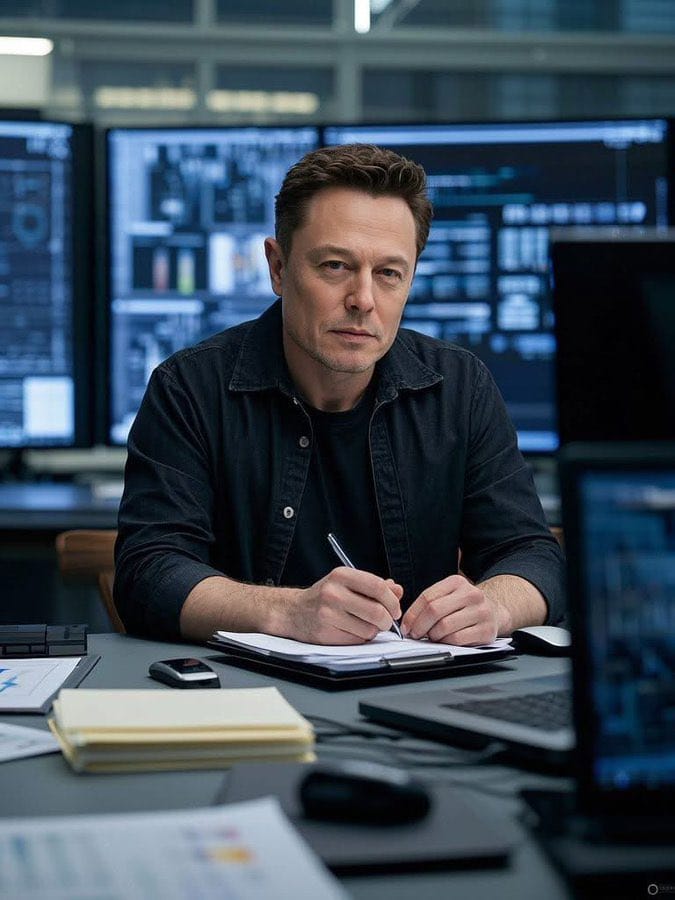
For Musk, Grok Imagine is another step in a larger vision of creating a robust AI ecosystem integrated into X. Since acquiring Twitter and rebranding it as X, Musk has emphasized the platform’s evolution into a multipurpose digital hub.
While competitors like OpenAI, Meta, and Google continue to push the boundaries of generative AI, Musk is carving a niche by blending cultural virality with technological progress. Grok’s quirky personality, meme-centric branding, and now its visual storytelling tools reflect Musk’s tendency to merge entertainment with engineering.
ALSO READ- NRI Shocked by India’s High Prices ‘Kitna Paisa Hai Tum Logon Ke Paas?
The viral video of his childhood is emblematic of this approach—personal, relatable, and headline-grabbing, all while showcasing cutting-edge technology.
Public Fascination and the Road Ahead
The overwhelming engagement around the video reflects a broader public fascination with AI’s potential to reshape storytelling, memory, and personal history. Whether viewed as a playful novelty or a deeply meaningful tool, Grok Imagine has sparked conversations that extend far beyond Musk’s childhood photo.
As the technology matures, improvements in accuracy and realism are expected. Future iterations may even allow users to upload multiple photos to generate more lifelike animations, or to pair visuals with synthetic voice recreations. Such possibilities raise even more ethical and emotional questions, particularly about consent and authenticity.
The viral video of Elon Musk’s childhood photo animated by Grok Imagine has done more than showcase AI innovation—it has triggered a global conversation about memory, reality, and the role of artificial intelligence in our lives.
For some, it was a heartwarming glimpse of how technology can bring the past to life, evoking powerful emotions. For others, it was a troubling step toward manufactured memories that blur the line between real and artificial.
What remains undeniable, however, is that Grok Imagine has captured public imagination. In a single video, it revealed both the promise and the perils of AI-powered creativity—cementing its place in the ongoing story of how we, as humans, remember and reimagine our past.


 By
By