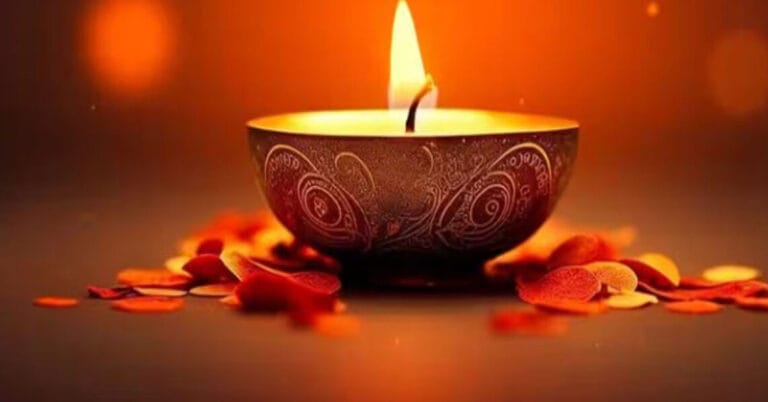

Diwali, also known as Deepavali, is one of the most widely celebrated and joyous festivals in India. Often referred to as the “Festival of Lights,” Deepavali holds immense cultural, religious, and social significance. It is a time when homes and streets sparkle with diyas (oil lamps), colorful rangoli designs, and twinkling lights, creating an atmosphere of happiness and togetherness. The festival usually spans five days, each day marked with unique rituals, festivities, and celebrations.
The Significance of Diwali
DEEPAVALI is celebrated by millions of people across India and the world, regardless of religion. While it has different meanings and legends associated with it in various regions, the underlying theme is the victory of light over darkness, good over evil, and knowledge over ignorance.
Table of Contents
For Hindus, Deepavali is most commonly associated with the return of Lord Rama, along with his wife Sita and brother Lakshman, to Ayodhya after a 14-year exile and his victory over the demon king Ravana. The people of Ayodhya lit oil lamps to welcome them back, marking the origin of the festival of lights.
In other traditions, Deepavali honors Goddess Lakshmi, the goddess of wealth and prosperity. People perform Lakshmi Puja, seeking her blessings for a year filled with abundance, health, and happiness. Business communities also observe this festival as the beginning of the new financial year, offering prayers for prosperity and success in their ventures.
Sikhs celebrate Deepavali to mark the release of Guru Hargobind Ji from imprisonment, while Jains observe it as the day Lord Mahavira attained nirvana. This diversity in celebrations demonstrates how Diwali transcends religious boundaries, promoting unity, love, and harmony among people.
The Traditions and Customs of Diwali
Deepavali is more than just lighting lamps; it is a festival steeped in rituals, customs, and social bonding. Preparations for the festival start well in advance. Homes are thoroughly cleaned and decorated with lights, flowers, and rangoli designs, symbolizing positivity and welcoming divine energy.
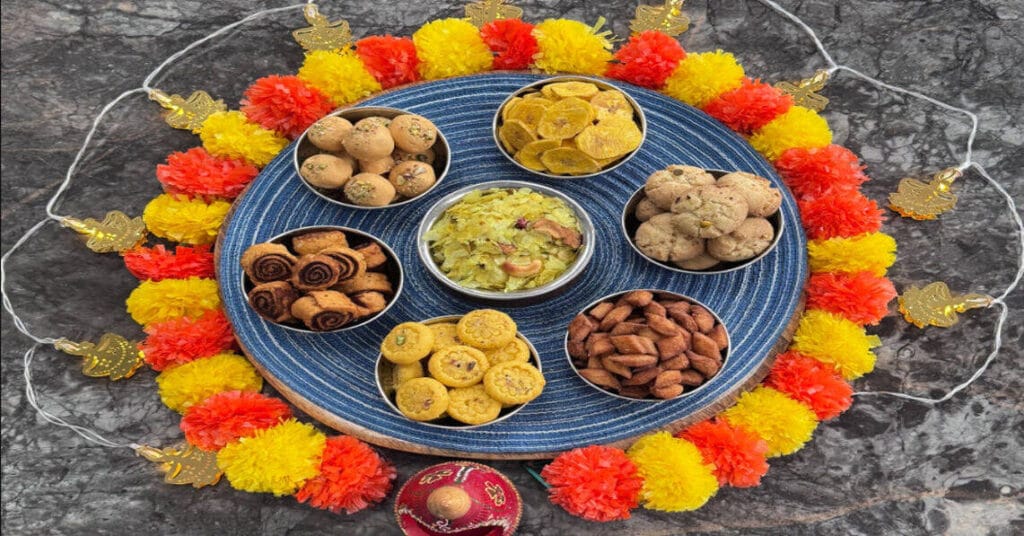
On the main day of Diwali, families gather for Lakshmi Puja in the evening. Diyas and candles are lit to honor the goddess and invite prosperity. Fireworks and crackers light up the night sky, creating a sense of celebration and excitement. Traditional sweets such as laddoos, barfis, and jalebis are prepared and shared with family, friends, and neighbors, reinforcing the spirit of generosity and community.
Each of the five days of Diwali holds its own significance:
- Dhanteras – The first day marks wealth and prosperity. People buy gold, silver, or utensils as a symbol of good fortune.
- Naraka Chaturdashi or Choti Diwali – The second day celebrates the victory of Lord Krishna over the demon Narakasura, symbolizing the triumph of good over evil.
- Diwali (Lakshmi Puja) – The third day is the main festival day dedicated to Goddess Lakshmi, with family gatherings, prayers, and lighting of lamps.
- Govardhan Puja or Annakut – On the fourth day, people honor Lord Krishna and offer food in gratitude for abundance.
- Bhai Dooj – The fifth day celebrates the bond between brothers and sisters, with sisters praying for their brothers’ well-being and prosperity.
Why We Celebrate Diwali in short
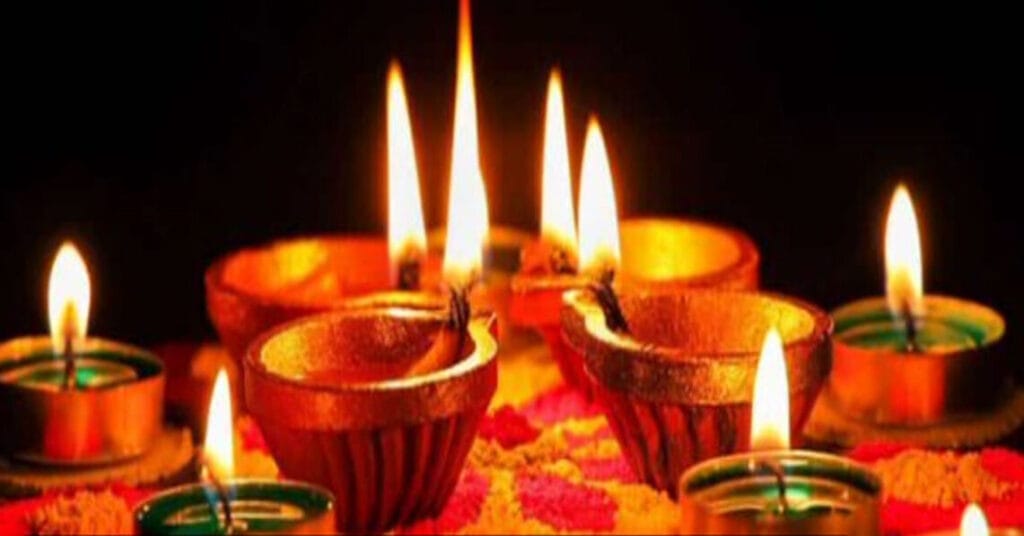
Deepavali is celebrated to remind us of the importance of hope, positivity, and moral values in our lives. The lights signify the removal of darkness and ignorance, while the festivities encourage love, compassion, and togetherness. It is a time to forgive past misunderstandings, strengthen relationships, and spread joy and goodwill.
ALSO READ- De De Pyaar De 2 Trailer: Ajay Devgn’s Love Story Takes a Twist with R Madhavan as the New RivalThe festival also serves as a reminder to be grateful for the blessings in our lives. People clean their homes, organize gatherings, exchange gifts, and share meals, emphasizing the values of generosity and kindness. Businesses and households alike start afresh during Diwali, planning new beginnings and aiming for success in the year ahead.
Sending Diwali Wishes to Friends and Famil
eepavali is incomplete without expressing love and good wishes to friends and family. A simple Diwali message can brighten someone’s day and strengthen your bond. Here are a few heartfelt wishes you can share:
- “May this Deepavali bring endless happiness, prosperity, and love into your life. Wishing you and your family a joyful and sparkling Diwali!”
- “As the festival of lights illuminates your life, may you be blessed with peace, health, and success. Happy Diwali!”
- “Wishing you a Deepavali full of sweets, laughter, and precious moments with loved ones. Shine bright like the diyas this festive season!”
- “May the glow of Deepavali lights brighten your path and lead you to happiness and prosperity. Happy Diwali to you and your family!”
- “On this auspicious occasion, let us celebrate the victory of light over darkness and hope over despair. Have a safe and joyous Deepavali”
Sending personalized wishes along with gifts, sweets, or greeting cards adds a special touch, making your friends and family feel cherished. Even a simple phone call or message can convey warmth and love, especially for those who are far away.
Deepavali is more than a festival; it is a celebration of life, positivity, and human connections. It teaches us to embrace goodness, dispel negativity, and cherish our relationships. The lights, sweets, prayers, and laughter all come together to create a festival that transcends religious boundaries and unites people in joy and celebration.
As we celebrate Deepavali this year, let us remember the true essence of the festival — spreading light, love, and happiness wherever we go. May your Diwali be filled with warmth, laughter, and memorable moments with your loved ones. Happy Diwali to all, and may the glow of the diyas guide your path toward success and prosperity!

 By
By

 najboljsa koda za napotitev na binance says: