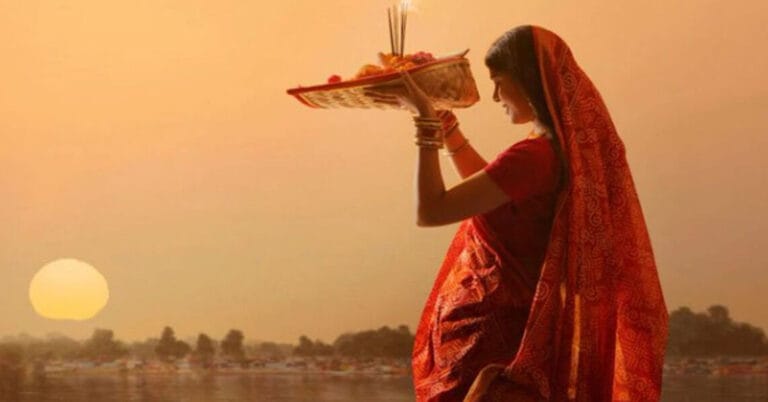

Chhath Puja is one of the most ancient and significant Hindu festivals, mainly celebrated in Bihar, Jharkhand, eastern Uttar Pradesh, and Nepal’s Terai region. Dedicated to Lord Surya (the Sun God) and Chhathi Maiya (the goddess who represents nature and energy), this festival is known for its purity, strict rituals, and deep faith. It symbolizes gratitude towards the Sun for sustaining life on earth and seeking blessings for health, prosperity, and well-being.
Historical and Cultural Significance
The origins of Chhath Puja can be traced back to ancient Hindu scriptures like the Rig Veda, where the Sun is worshipped as the source of all energy. The word “Chhath” means “six,” as the festival is celebrated on the sixth day (Shashthi) of the Kartik month in the Hindu calendar, usually falling in October or November.
Table of Contents
According to legends, Draupadi and the Pandavas performed Chhath rituals to regain their kingdom and seek blessings from the Sun God. Another story links it to Karna, the son of Surya, who was a devout worshipper of the Sun God and is believed to be the first to perform Chhath Puja.
Four-Day Ritual of Faith
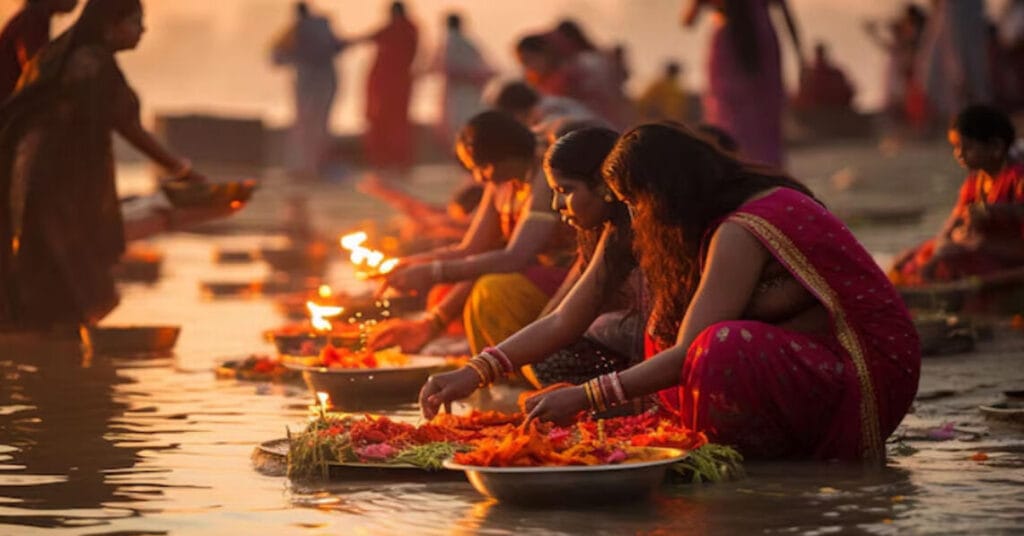
Chhath Puja spans four days of rigorous fasting, cleanliness, and prayer. Every day carries its own symbolic and spiritual importance.
1. Nahay Khay (Day 1)
The festival begins with devotees taking a holy dip in a river or pond. They clean their homes and prepare a simple meal made of rice, pumpkin, and chana dal (split chickpeas) cooked in ghee. This meal marks the beginning of the ritual and purifies the devotee’s body and soul.
2. Kharna (Day 2)
On this day, devotees observe a day-long fast without water, breaking it only after sunset with jaggery kheer (sweet rice pudding), fruits, and chapatis. After this meal, they begin a 36-hour fast without food or water, showing immense discipline and devotion.
3. Sandhya Arghya (Day 3)
The most beautiful and sacred part of Chhath Puja, Sandhya Arghya, involves offering prayers to the setting sun. Devotees, dressed in traditional attire, gather at riverbanks with decorated baskets filled with fruits, sugarcane, thekua (a sweet made from wheat flour, jaggery, and ghee), and other offerings. Families sing devotional songs and chant prayers, creating an atmosphere of divine energy and unity.
4. Usha Arghya (Day 4)
On the final day, devotees offer Arghya (water offering) to the rising sun. This ritual symbolizes new beginnings and hope for a prosperous future. After prayers, devotees break their long fast by consuming prasad (sacred food), marking the end of Chhath Puja.
Eco-Friendly and Spiritual Festival
Chhath Puja stands out as one of the most eco-friendly festivals in India. Devotees use natural materials like bamboo baskets, clay diyas (lamps), and fruits for offerings. The ritual promotes respect for nature, water bodies, and sunlight — all vital elements of life.
READ ALSI- “Eating Oats Every Day for a Month: Surprising Effects on Your Body”Moreover, the festival encourages self-discipline, purity, and gratitude, making it not just a religious observance but also a celebration of human endurance and harmony with nature.
Celebrations Across India and Abroad

While Bihar remains the heartland of Chhath Puja, the festival is now celebrated with great enthusiasm across India — in Delhi, Mumbai, Kolkata, and other metropolitan cities — as well as among the Indian diaspora in countries like Nepal, Mauritius, the UK, and the US. Temporary ponds and ghats are created for devotees who cannot access rivers, reflecting how faith transcends geography.
Chhath Puja is more than a ritual — it is a celebration of faith, purity, and thankfulness. The sight of devotees standing waist-deep in water, offering prayers to the glowing sun, embodies the deep spiritual connection between humans and nature. As families come together to sing, pray, and celebrate, Chhath Puja continues to shine as one of India’s most soulful and uplifting festivals.


 By
By

 binance prihlásení says: