

A video from Canada showing a white woman stepping in to defend an Indian man from racist harassment has gone viral, sparking a larger conversation about racism, solidarity, and allyship. The clip, shared widely across social media, has been praised for highlighting how ordinary people can intervene to protect others in the face of racial abuse.
The Viral Video
The video was originally shared on X (formerly Twitter) by the handle @KantInEastt. It quickly gathered nearly a million views within a short span of time, with users lauding the woman for her intervention.
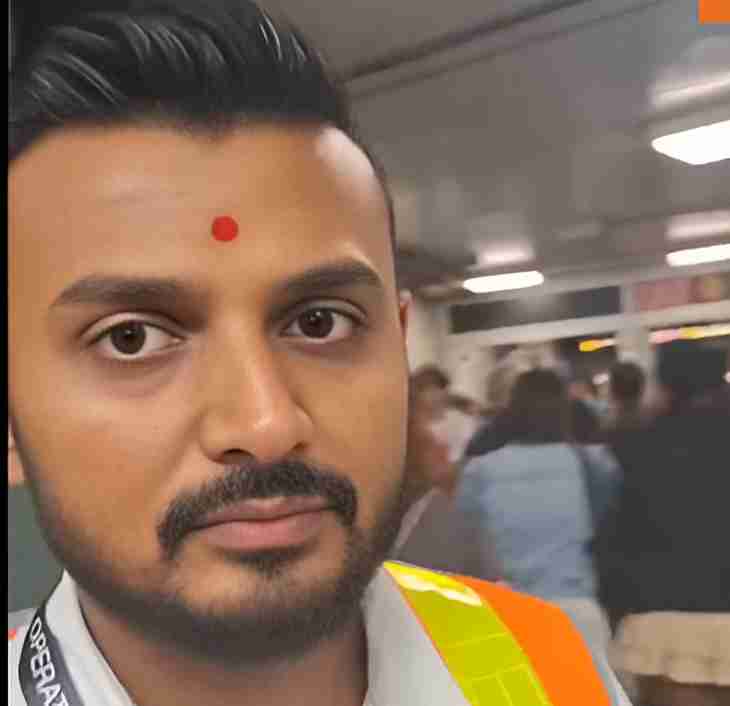
In the footage, a man identified by viewers as a Toronto Transit Commission (TTC) supervisor is seen being harassed by an unidentified individual who records him on camera. As the abuser continues filming, a woman steps between the TTC worker and the camera, firmly demanding, “Leave him alone! Leave him alone. Really!”
The aggressor, undeterred, responds, “It’s a free country. I can take the video I want. Don’t touch my phone.” The woman, however, refuses to back down. Defending the TTC worker’s right to do his job peacefully, she retorts, “That is so unnecessary. He is working! Get out of his face.”
Throughout the incident, the TTC supervisor himself attempts to de-escalate the situation, gently asking the woman to “Let it go.” Yet, she persists in standing her ground, at one point exclaiming: “My boyfriend is Indian.”

The moment added a twist to the video, drawing both praise and amusement online.
Social Media Reactions
The video quickly triggered a wave of responses from netizens, ranging from outrage at the racist harassment to admiration for the woman’s courage.
A white racist harasses an Indian individual in Canada, then a white woman steps in to defend them🫡
— Ghar Ke Kalesh (@gharkekalesh) September 2, 2025
pic.twitter.com/fJ7cuHX8lX
One user wrote:
“Racism just brings out the human insecurity so cleanly! They don’t like it when one community does better, is more fastidious, is better at doing the jobs they lost because they were too slow or careless, and now they turn to racism? Just be better at what you were supposed to be, man!”
Another user remarked on the unexpected nature of the woman’s declaration:
“Okay respect to her, but the plot twist from ‘I have a boyfriend’ to ‘my boyfriend is Indian’ is amusing.”
Others directed their frustration at the person behind the camera. One comment read:
“The guy recording is a total loser. No courage to even show his face. Imagine being so pathetic that you go around hunting for someone to be racist with. Sad.”
The mix of outrage, support, and humor underscored how deeply the video resonated with people worldwide.
A Larger Pattern of Racist Incidents
Unfortunately, this was not an isolated case of harassment against Indians in Canada. Over the past few years, there has been a noticeable rise in reports of racist incidents targeting immigrants and people of color.

Just this past July, another disturbing video from Peterborough, Ontario, showed an Indian couple being harassed in a parking lot at Lansdowne Place Mall. In that incident, a group of teenagers in a pickup truck blocked the couple’s car and hurled racial slurs, profanity, and even death threats. The video shocked viewers and reignited discussions on how Canada — often seen as a multicultural haven — is grappling with issues of racism at the grassroots level.
Racism, Allyship, and Everyday Courage
While racist incidents continue to surface, videos like the TTC supervisor’s confrontation also highlight the importance of everyday acts of allyship. The woman’s simple yet firm act of stepping in became a powerful reminder of how bystanders can help diffuse a hostile situation.
Experts often point out that bystander intervention is one of the most effective tools against racism and harassment. It not only offers immediate support to the victim but also sends a strong message to the aggressor that their actions are unacceptable.
In this case, the woman’s insistence on protecting the TTC worker — despite his attempts to downplay the harassment — served as a striking example of solidarity in action. Her remark about her boyfriend being Indian, while unorthodox, underscored her personal connection to the issue and added a humanizing touch to her intervention.
The Broader Debate
The viral video has sparked broader conversations about race relations in Canada. While the country is often praised for its multiculturalism and inclusivity, incidents like these expose the prejudices that still simmer beneath the surface.
Social media platforms have become both a mirror and an amplifier of such issues. On one hand, they expose racism in real time, giving victims and allies a platform to raise awareness. On the other hand, they also serve as a space where conversations about race, privilege, and systemic inequality can flourish — sometimes leading to meaningful change, but often highlighting how much more needs to be done.
The viral video of a woman defending a TTC supervisor from racist harassment is more than just a trending clip. It is a reminder of how racism manifests in everyday situations and how acts of courage, however small, can stand as powerful counters to hate.
Her defense — firm words, refusal to step aside, and even her personal declaration of connection — struck a chord with millions of viewers. At a time when racial tensions and incidents of discrimination continue to make headlines, her actions reaffirm that allyship matters.
Canada’s image as a multicultural society is celebrated worldwide, but it is videos like these that reveal the reality: racism persists, and solidarity remains the most effective response.
As one social media user aptly put it:
“Respect to her. Sometimes all it takes is one person to stand up and show what humanity looks like.”


 By
By