
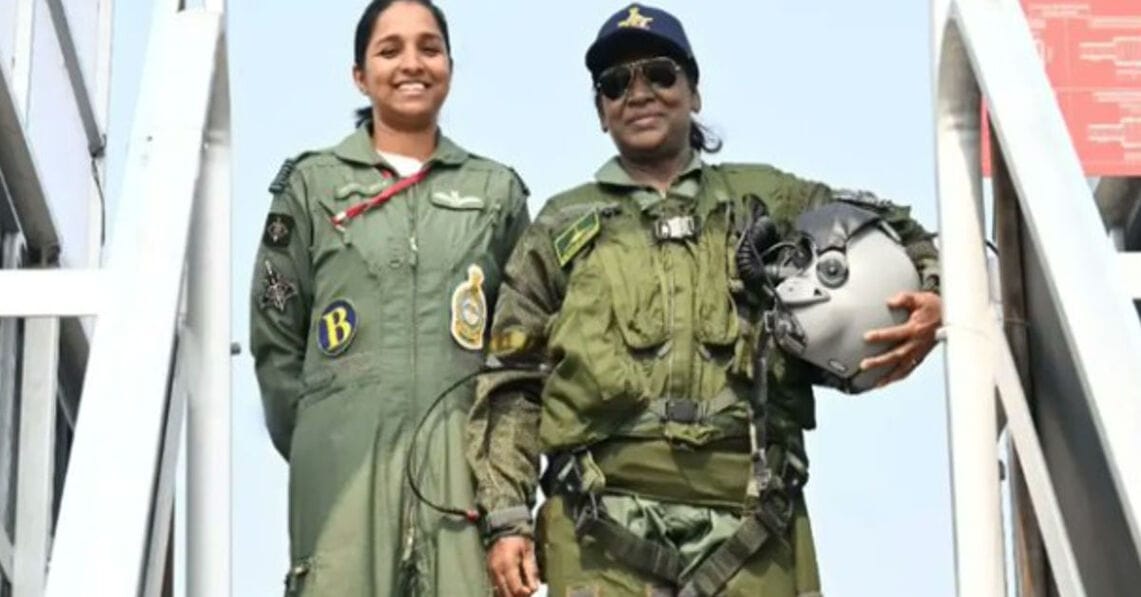
A major revelation has once again brought attention to the 2019 Balakot air battle between India and Pakistan. It has now been confirmed that Pakistan’s initial claim of capturing an Indian Rafale pilot was false. In reality, the pilot they had captured was Wing Commander Abhinandan Varthaman, who was flying a MiG-21 Bison during the air skirmish. The new clarification sheds light on how misinformation and confusion spread during one of the most intense moments between the two countries in recent years.
The Balakot Airstrike and the Tense Aftermath
The story goes back to February 26, 2019, when India carried out the Balakot airstrike in response to the Pulwama terror attack that killed 40 CRPF jawans. The Indian Air Force (IAF) targeted a Jaish-e-Mohammed training camp deep inside Pakistan’s Balakot region.
Table of Contents
The next day, on February 27, Pakistan attempted to retaliate by sending a large formation of fighter jets, including F-16s, across the Line of Control (LoC). In response, the IAF scrambled several aircraft, including MiG-21 Bisons, Mirage 2000s, and Sukhoi Su-30MKIs, to intercept the intruding Pakistani jets.
During this aerial confrontation, Wing Commander Abhinandan Varthaman, flying a MiG-21, managed to shoot down a Pakistani F-16 before his own aircraft was hit. His jet crashed inside Pakistani territory, leading to his capture by the Pakistan Army.
Pakistan’s False Claim of Capturing a Rafale Pilot
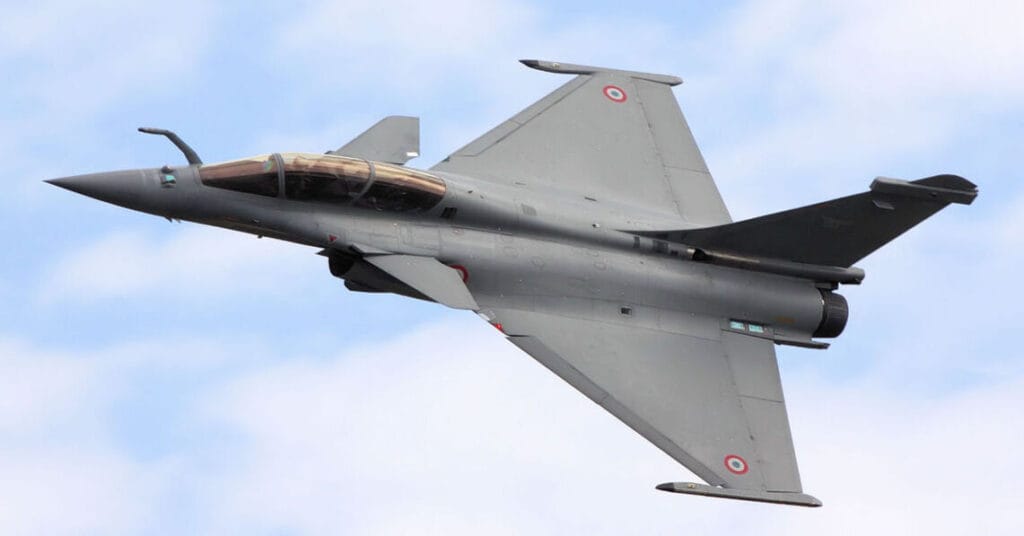
Immediately after the skirmish, Pakistan’s military spokesperson claimed that two Indian pilots had been captured — one from a MiG-21 and another from a Rafale. The statement created a wave of confusion and misinformation, as India had not deployed its newly inducted Rafale fighter jets during that battle.
Pakistan’s attempt to include a Rafale in its claim was likely meant to exaggerate its military success and mislead international media. The news spread rapidly across social platforms, with some foreign outlets even reporting the capture of a Rafale pilot. However, the Indian Air Force quickly clarified that none of its Rafale aircraft were involved in the 2019 aerial clash, as they had not yet been inducted into active service.
The Truth Emerges
It later became clear that only one Indian pilot — Wing Commander Abhinandan — had been captured. He was treated in Pakistani custody for about 60 hours before being released on March 1, 2019, as a gesture of “peace” by Pakistan under international pressure.
The entire episode highlighted how misinformation can spread during high-stakes military confrontations. The claim of a “captured Rafale pilot” was a complete fabrication, but it served Pakistan’s propaganda narrative briefly until the truth came out.
Why Pakistan Lied
Defense analysts believe Pakistan made the false Rafale claim for multiple reasons. Firstly, it aimed to create confusion in global media and among Indian citizens. Secondly, mentioning the Rafale — a symbol of India’s advanced air power — added dramatic value to its narrative of military success.
At that time, Rafale jets were the centerpiece of India’s modernization drive, and dragging them into the story helped Pakistan claim parity in military strength, even if it wasn’t true.
The Role of Social Media in Spreading Misinformation
The 2019 incident also exposed how quickly misinformation spreads in the digital age. Within minutes of Pakistan’s announcement, the fake news of a “Rafale pilot captured” trended on social media platforms, amplified by bot accounts and unverified pages. Many users believed the claim before official clarifications arrived.
READ ALSO- Gujarat Tourists Skip Rs 10900 Restaurant Bill, Get Caught in Traffic While FleeingExperts emphasize that such incidents highlight the importance of verifying defense-related information, especially during conflicts. Social media can be a powerful tool, but it can also easily become a weapon for spreading propaganda.
India’s Official Response
The Indian Air Force maintained a clear and factual stance throughout the crisis. It confirmed that only one pilot was missing in action and that no Rafale aircraft participated in the operation. Once Wing Commander Abhinandan was safely returned to India, the IAF publicly honored him for his bravery and composure in the face of adversity.
Abhinandan received the Vir Chakra, one of India’s highest wartime gallantry awards, for shooting down a Pakistani F-16 during the dogfight. His calm demeanor during captivity, captured in viral videos, earned him widespread respect both at home and abroad.
The revelation that Pakistan lied about capturing a Rafale pilot serves as a reminder of how misinformation can distort facts during moments of crisis. The truth — that the captured pilot was Wing Commander Abhinandan flying a MiG-21 — stands as a testament to his heroism and India’s commitment to factual reporting even in the heat of conflict.
While Pakistan’s attempt to manipulate the narrative failed, the incident underlined the growing need for media literacy and responsible information sharing, especially during military confrontations. The 2019 Balakot episode remains a historic moment that showcased not only India’s defense capabilities but also the importance of truth in times of war.