
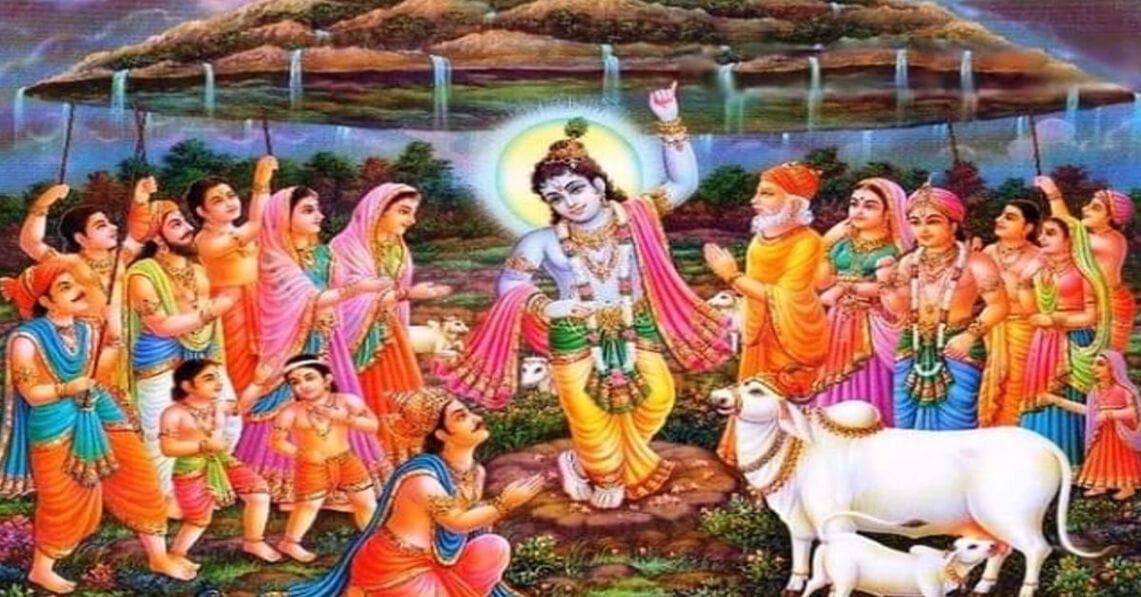
The sacred month of Kartik holds great spiritual and religious importance in Hinduism. It is considered one of the most auspicious months in the Hindu calendar, marked by several important festivals that bring together faith, devotion, and tradition. Among these, Govardhan Puja—also known as Annakoot—is the third major festival celebrated after Diwali.
In 2025, Govardhan Puja will be observed on Wednesday, October 22, instead of the day immediately following Diwali. The one-day gap this year has raised curiosity among devotees. Let’s understand why this shift occurs, the exact auspicious timings for worship, and the spiritual significance behind this beautiful festival.
Table of Contents
Why Govardhan Puja 2025 Will Be Celebrated on October 22
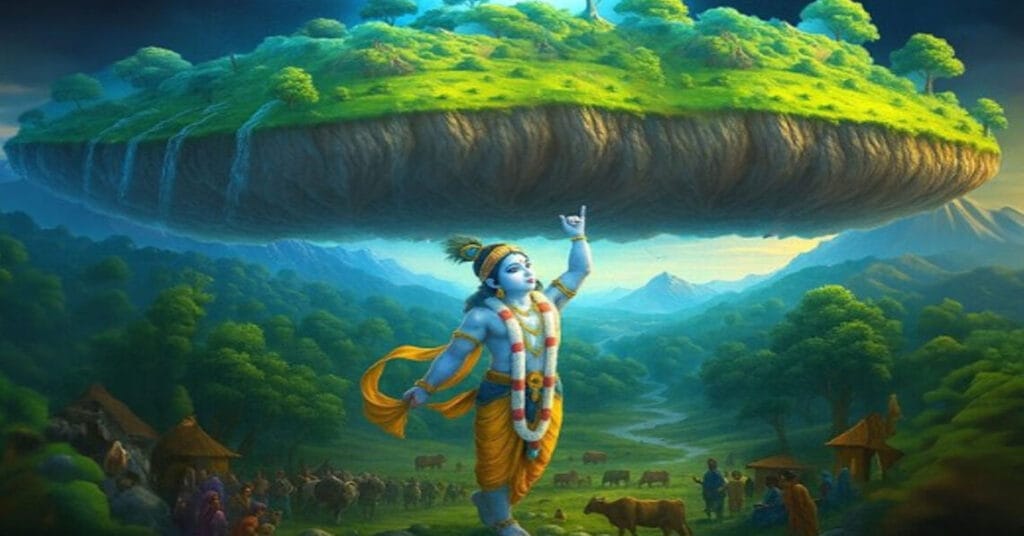
According to the Hindu calendar, Govardhan Puja is performed on the Pratipada Tithi (first lunar day) of the Shukla Paksha in the month of Kartik. This marks the beginning of the bright fortnight following Diwali. However, the timing of the Tithi changes every year based on the moon’s movement, and the festival date is decided according to the Udaya Tithi (the Tithi prevailing at sunrise).
In 2025, the Kartik Shukla Paksha Pratipada Tithi begins on Tuesday, October 21, at 5:54 PM, and ends on Wednesday, October 22, at 8:16 PM. Since the Pratipada Tithi will be active during sunrise on October 22, Govardhan Puja will be celebrated on Wednesday, October 22, 2025.
This one-day gap after Diwali is therefore based on the traditional calculation of lunar timings, ensuring the puja is performed on the most auspicious and spiritually correct day.
Govardhan Puja 2025: Morning and Evening Auspicious Timings
The auspicious muhurat (timing) for performing Govardhan Puja rituals is very important. It is believed that worship performed during these hours brings blessings of Lord Krishna and ensures prosperity, good fortune, and protection.
- Morning Muhurat: From 6:26 AM to 8:42 AM
Devotees will have a total of 2 hours and 16 minutes for morning worship. This time is ideal for offering prayers, making Annakoot (mountain of food), and performing rituals with devotion. - Evening Muhurat: From 3:29 PM to 5:44 PM
The evening period is also considered highly auspicious, lasting 2 hours and 17 minutes. Those unable to perform the morning rituals can complete their Govardhan Puja during this window.
During both these timings, devotees worship Govardhan Maharaj—a representation of Lord Krishna—and perform the Annakoot ritual, symbolizing gratitude towards nature and divine sustenance.
Religious and Spiritual Significance of Govardhan Puja
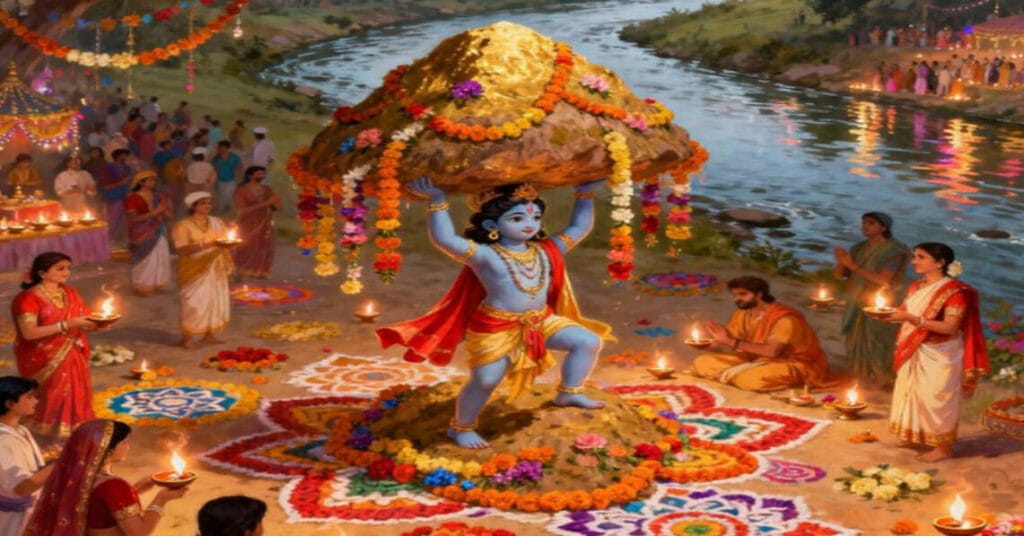
In the Sanatan Hindu tradition, The Puja is celebrated with deep devotion as a symbol of faith, humility, and the eternal bond between humanity and nature. The festival is also known as Annakoot, meaning “mountain of food,” where devotees prepare a variety of dishes as offerings to Lord Krishna and Govardhan Maharaj.
According to Hindu mythology, the story behind this festival dates back to the Dwapar Yuga, when Lord Krishna lived in Vrindavan. The people of Vrindavan used to worship Lord Indra, the king of the gods, to ensure timely rains for their crops. However, Lord Krishna taught them that it was not Indra, but Govardhan Hill, that nourished their lands and provided them with resources.
READ ALSO- Mumbai Man Assists Woman in Delivering Baby on Train Platform with Doctor’s Guidance Over Video CallTo remind them of this truth, Krishna advised the villagers to worship Govardhan Hill instead of Indra. Angered by this, Indra unleashed heavy rains upon Vrindavan. To protect the villagers and their cattle, Lord Krishna lifted the entire Govardhan Mountain on his little finger and held it as an umbrella for seven days.
Humbled by Krishna’s divine power, Indra realized his mistake and sought forgiveness. Since then, the day has been celebrated as Govardhan Puja, symbolizing the triumph of humility and devotion over pride and arrogance.
Rituals and Traditions of Govardhan Puja
On this day, devotees create a symbolic Govardhan mountain using cow dung, clay, or food grains, and decorate it with flowers and lamps. Offerings of various dishes, sweets, fruits, and grains are placed before Lord Krishna, representing the Annakoot. Devotees then perform aarti and parikrama (circumambulation) of the Govardhan symbol, chanting bhajans and offering gratitude to nature and the divine protector.
In many temples, especially in Mathura, Vrindavan, and Nathdwara, elaborate celebrations take place, with thousands of devotees participating in processions, singing devotional songs, and distributing prasadam (holy food).
The Essence of Govardhan Puja
Govardhan Puja 2025 is more than just a festival—it is a reminder of our deep connection with nature and the values of humility, faith, and gratitude. As devotees prepare to celebrate on October 22, may the blessings of Lord Krishna and Govardhan Maharaj fill every home with peace, prosperity, and happiness.