
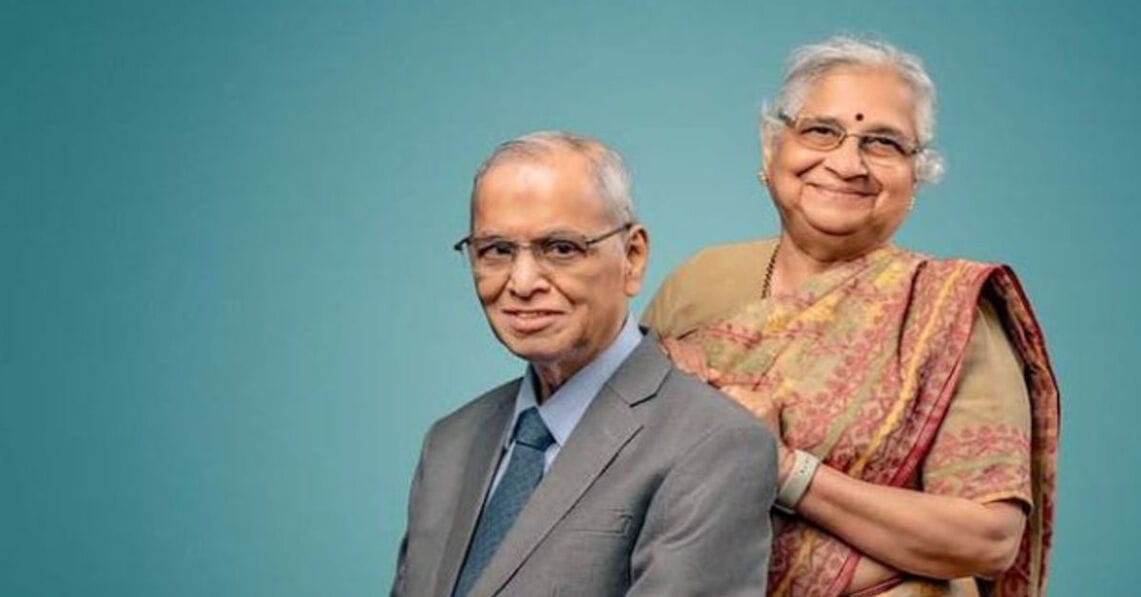
Renowned author and philanthropist Sudha Murty and her family have reportedly refused to participate in the Karnataka caste survey, which began last month across the state. The Murty family’s decision comes after the Karnataka High Court clarified that participation in the caste survey is voluntary, not mandatory.
Karnataka High Court Declares Survey Voluntary(Sudha Murty Decline Part in Karnataka Caste)
The Karnataka High Court, in its order on September 25, stated that no citizen is obligated to take part in the ongoing caste-based survey conducted by the Karnataka State Commission for Backward Classes (KSCBC). The ruling came just days after the survey was launched on September 22.
Table of Contents
The court instructed the Commission to issue a public notification stating that participation in the survey is purely voluntary. It also directed enumerators to inform every household that no one can be compelled to disclose personal or caste-related information.
The bench further emphasized that all data collected must remain confidential. “We, however, state that the data collected shall not be disclosed to anyone. The Karnataka State Commission for Backward Classes (KSCBC) shall ensure that data is fully protected and confidential,” the court said in its order.
Data Protection and Transparency
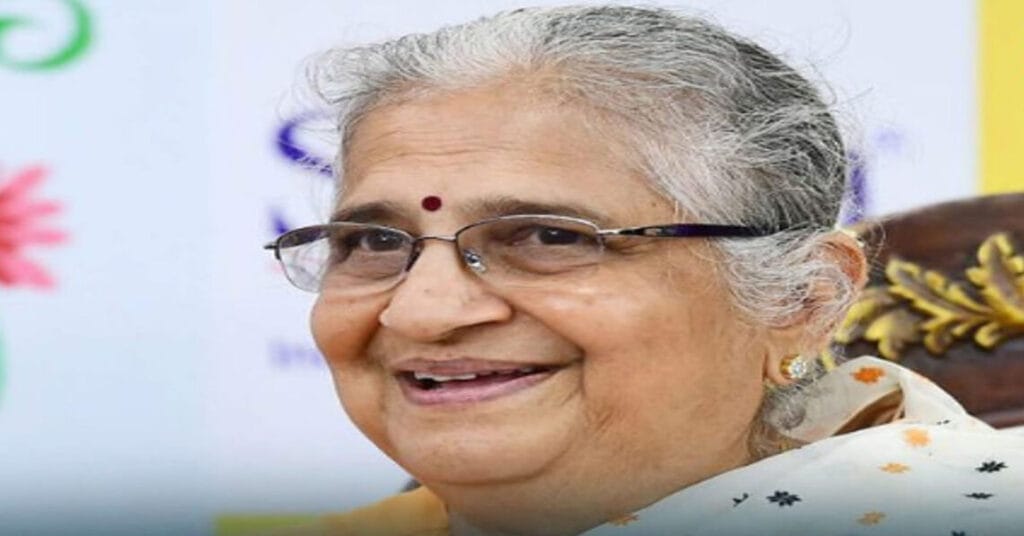
Following the court’s direction, the KSCBC assured that strict measures would be taken to maintain data privacy. The Commission also clarified that the collected data will only be used for internal analysis and policy formulation and will not be made public without government approval.
Madhusudan R. Naik, Chairman of the Backward Classes Commission, also clarified that the list of castes in the survey handbook is meant only for internal reference. “The list has no legal standing and was created merely to help enumerators locate castes in alphabetical order,” he said.
This statement was meant to address growing concerns from several communities that the survey might misrepresent or exclude caste names.
About the Karnataka Caste Survey
The caste survey, launched on September 22, is a massive project aimed at collecting detailed socio-economic and caste-related data from households across Karnataka. The exercise is expected to cost the government around ₹420 crore.
The survey includes 60 questions covering various aspects such as income, occupation, education, religion, caste, and land ownership. The goal is to help the state government identify the true socio-economic status of different communities and update welfare schemes accordingly.
READ ALSO- Skoda Price in India After GST: Latest 2025 Update and Buyer BenefitsEnumerators have been visiting homes across urban and rural areas to collect the data. However, the project has faced criticism and legal scrutiny since its inception, with questions raised about data security, privacy, and political misuse.
Public Response and Controversy
Public opinion on the survey has been divided. While some believe it is necessary to understand the social and economic realities of different communities, others see it as politically motivated.
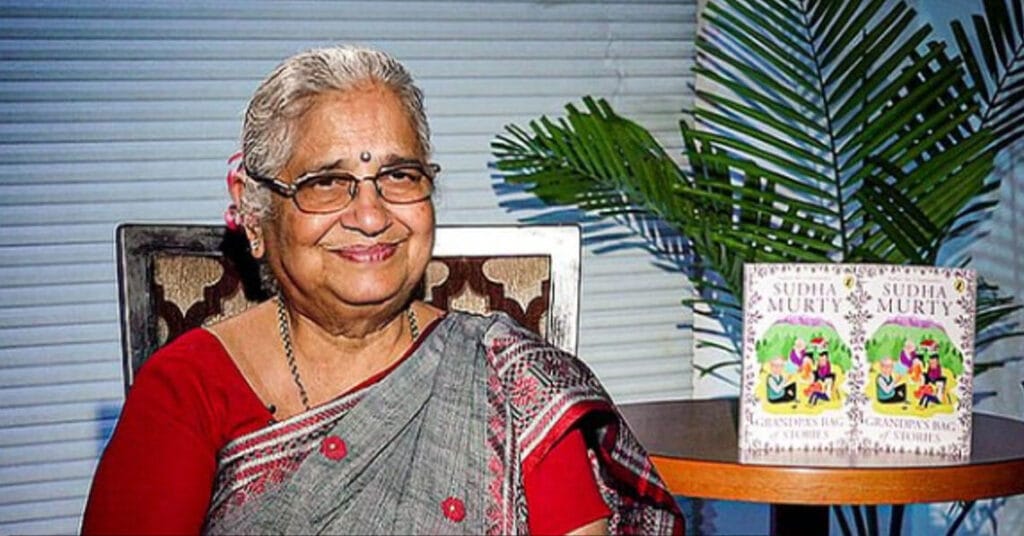
The refusal of a prominent family like Sudha Murty’s, which is closely associated with Infosys founder N.R. Narayana Murty, has added to the ongoing debate. Many social media users have praised the family’s decision, saying it reflects their right to privacy. Others have argued that such data is essential for building inclusive welfare policies.
Why the Survey Matters
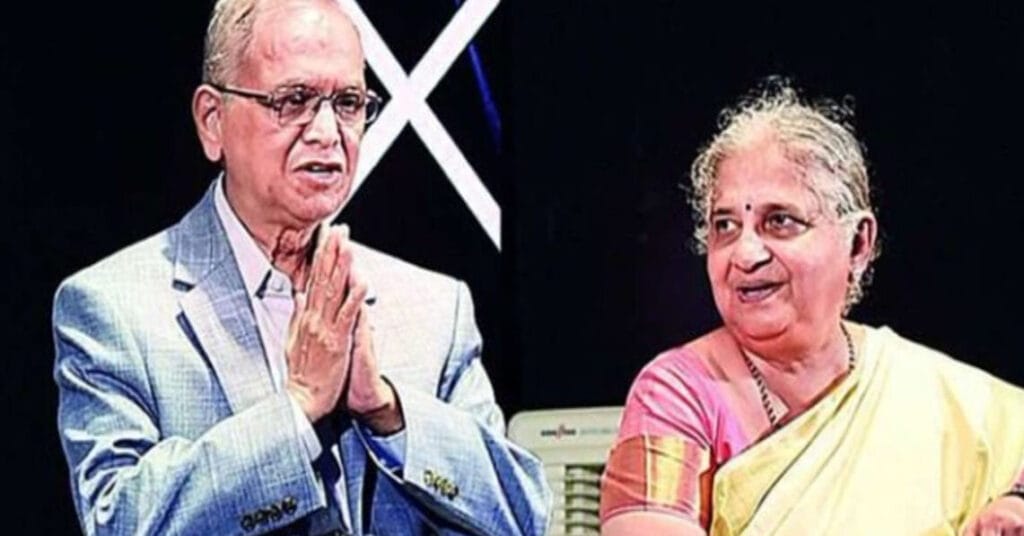
The caste survey has been a long-standing demand in Karnataka, especially from backward classes and Dalit organizations. They argue that the last official caste-based census in India was conducted in 1931, and updated data is essential for fair distribution of government benefits and accurate reservation policies.
However, critics warn that such surveys could deepen social divisions and lead to political manipulation ahead of elections.
The Karnataka caste survey remains one of the state’s most ambitious and controversial exercises. With the High Court making participation voluntary, citizens now have the choice to share or withhold their details.
As the state continues its data collection drive, the decision of respected figures like Sudha Murty and her family to opt out has reignited discussions about privacy, consent, and the purpose of caste-based surveys in modern India.