
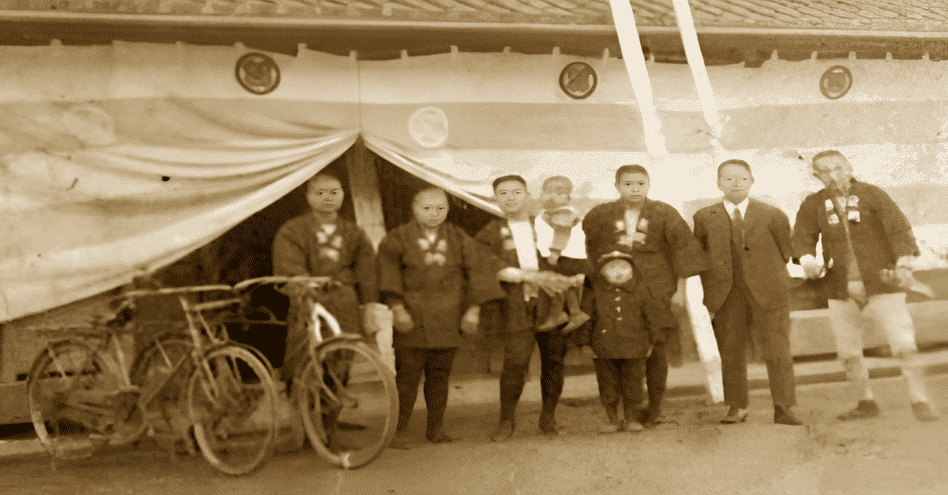
Japan is home to some of the oldest companies in the world, many of which have been operating for over a thousand years. These historic businesses are proof that strong values, tradition, and adaptability can stand the test of time. While most modern companies aim to survive a few decades, the oldest firms have thrived for more than 1,400 years, continuing their legacy across generations.
Let’s take a closer look at the four oldest Japanese companies that are still in business today and learn what makes them last for centuries.
Table of Contents
1. Kongō Gumi – The World’s Oldest Construction Company
Founded: 578 AD
Industry: Construction (Buddhist temples)
Headquarters: Osaka, Japan
Kongō Gumi is widely recognized as the oldest continuously operating company in the world. It was founded in 578 AD when a Korean carpenter named Shigemitsu Kongō was invited to Japan to help build the Shitennō-ji Temple in Osaka — one of there first Buddhist temples.
For over 1,400 years, Kongō Gumi has been constructing and maintaining Buddhist temples, shrines, and other cultural structures. What’s remarkable is that the company has remained in business for more than 40 generations, passing leadership down through the family line.
Even after facing financial difficulties in 2006, the company didn’t disappear. It became a subsidiary of the Takamatsu Construction Group and continues to operate, preserving traditional Japanese architecture techniques while adopting modern building technology.
Kongō Gumi’s story shows that respect for heritage and the ability to adapt are key reasons for its long-lasting success.
2. Nishiyama Onsen Keiunkan – The World’s Oldest Hotel
Founded: 705 AD
Industry: Hospitality
Location: Yamanashi Prefecture, Japan
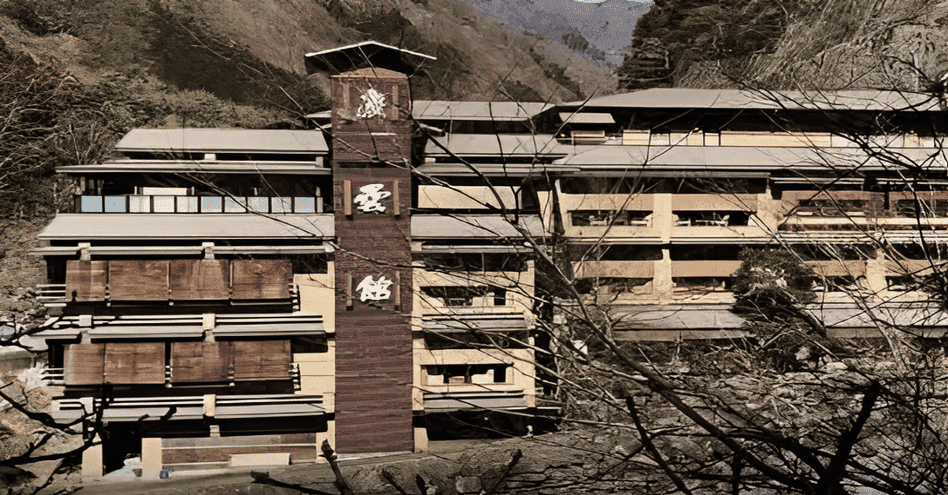
Located in the scenic foothills of Mount Fuji, Nishiyama Onsen Keiunkan holds the Guinness World Record as the oldest hotel in the world. Founded in 705 AD, it has been operated by the same family for over 52 generations.
This traditional Japanese inn, or ryokan, has welcomed emperors, samurai, and travelers for more than 1,300 years. The hotel’s natural hot springs, peaceful environment, and timeless hospitality keep guests returning from around the world.
While Keiunkan maintains its traditional design with tatami mats and sliding doors, it has also modernized with private baths, Wi-Fi, and contemporary dining options. The balance between tradition and modernization has allowed it to stay relevant for centuries.
The success of Nishiyama Onsen Keiunkan lies in offering a consistent experience rooted in Japanese culture — blending warmth, simplicity, and respect for guests.
3. Koman Ryokan – A Legacy of Japanese Hospitality
Founded: 717 AD
Industry: Hospitality
Location: Hyogo Prefecture, Japan
Another ancient inn, Koman Ryokan, was established in 717 AD in Kinosaki Onsen, a famous hot spring town in Hyogo Prefecture. For over 1,300 years, Koman has served travelers seeking rest, healing, and relaxation in its traditional baths.
Like Keiunkan, Koman Ryokan has been family-run for many generations, preserving the spirit of omotenashi — Japan’s deep-rooted hospitality culture. Guests can enjoy authentic Japanese cuisine, onsen bathing, and historical charm that remains largely unchanged since its founding.
Despite its age, Koman has kept pace with modern expectations. The ryokan offers a mix of historical experience with modern comfort, showing how cultural continuity can coexist with innovation.
4. Hōshi Ryokan – Nearly 1,300 Years of Family Service
Founded: 718 AD
Industry: Hospitality
Location: Ishikawa Prefecture, Japan
Founded just a year after Koman Ryokan, Hōshi Ryokan is another legendary Japanese inn that has been in operation for nearly 1,300 years. It has been managed by the same family for 46 generations, earning a place among the world’s oldest family-run businesses.
Located in Komatsu City, Hōshi offers guests traditional rooms, hot spring baths, and serene gardens. The inn’s longevity is tied to its commitment to family values and customer trust, ensuring every visitor feels part of a centuries-old tradition.
Even today, Hōshi Ryokan continues to attract both Japanese and international guests who seek a peaceful stay with cultural authenticity.
What Keeps Japan’s Oldest Companies Alive?
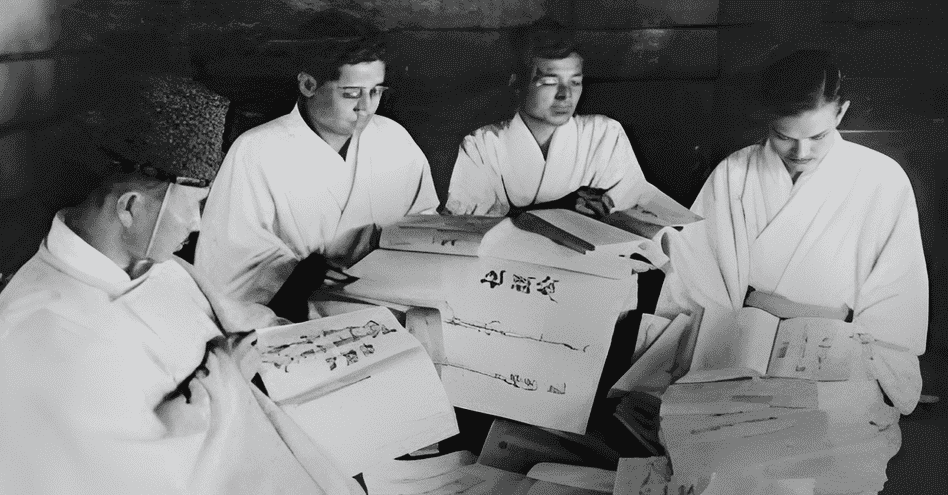
The secret behind these companies’ extraordinary longevity lies in their focus on tradition, quality, and continuity. Instead of chasing short-term profits, they prioritize reputation, craftsmanship, and community trust. Leadership transitions are smooth, often guided by family values and long-term planning rather than sudden business shifts.
These businesses also understand the importance of evolving with time — adopting modern tools and ideas while preserving the heart of their traditions.
ALSO READ- Actor-Bodybuilder Varinder Singh Ghuman Dies at 42the oldest companies — from Kongō Gumi’s temple construction to the centuries-old hot spring inns — reflect the strength of Japanese culture and the value placed on honor, stability, and service.
Their endurance across wars, natural disasters, and global changes is a powerful reminder that business longevity is built on consistency, care, and adaptability.
In a fast-changing world, Japan’s 1,400-year-old companies stand as timeless examples of how tradition and innovation can go hand in hand.