
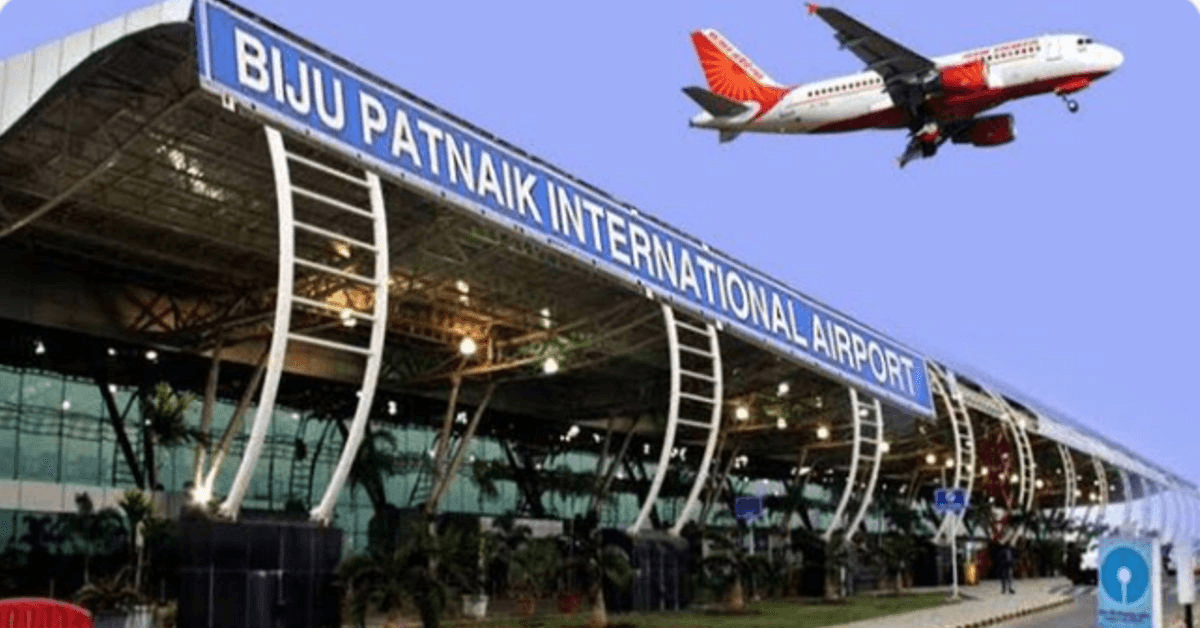
The Biju Patnaik International Airport (BPIA) in Bhubaneswar is facing a major decline in passenger traffic this monsoon, with several domestic routes reporting less than 40 percent occupancy. According to airport authorities, poor bookings have prompted airlines to either suspend or curtail services to multiple destinations.
Airport Director Prasanna Pradhan confirmed that the Bhubaneswar–Kochi service has been suspended due to consistently low passenger load. However, he expressed optimism that the route could be revived once demand picks up during the upcoming festive season, when travel activity typically surges.
Routes Facing Poor Demand
Table of Contents
The passenger slowdown has been most visible on routes to Kochi, Port Blair, Indore, and Dehradun, which have all struggled with low load factors since the beginning of the monsoon. On several occasions, fewer than four out of ten seats on these flights were being filled, making operations financially unviable for the airlines.
While Bhubaneswar remains connected to 30 domestic destinations, not all routes operate daily. For example, flights to Durgapur, Indore, and Port Blair currently run only four days a week, unlike high-demand routes such as Delhi, Kolkata, and Mumbai, which see multiple daily services due to consistent passenger demand.
Concerns Over International Connectivity
Adding to passenger worries, reports suggest that IndiGo may suspend the only direct Bhubaneswar–Dubai service from October 24. The route, which operates three times a week, was launched in May 2023 with much anticipation and was welcomed by both the Odia diaspora and the business community as a crucial link to the Middle East.
The possible withdrawal of this service has raised concerns among regular flyers who relied on it for trade, investment, and tourism connectivity. If suspended, passengers traveling to Dubai will have to depend on indirect routes, including the recently introduced Bhubaneswar–Abu Dhabi connection.
Airlines Adjusting to Seasonal Demand

Aviation experts point out that demand fluctuations are common during the monsoon season, as leisure travel tends to dip while business travel remains steady. Airlines often respond by reducing the frequency of flights or temporarily suspending low-demand routes to minimize losses.
The situation at BPIA reflects a broader industry trend, where airlines prioritize profitable routes and scale down operations on sectors with limited demand. Authorities, however, remain hopeful that festive travel, winter tourism, and business activity will help revive occupancy levels in the coming months.
Plans for Airport Expansion
Even as airlines adjust their schedules, the Union government has cleared the proposal for a third terminal (T-3) at BPIA, which is expected to transform the airport into a modern aviation hub.
Union Civil Aviation Minister K. Ram Mohan Naidu recently announced that the upcoming terminal will be designed to showcase Odisha’s rich culture and heritage while enhancing passenger-handling capacity to meet future growth.
The expansion project is aimed at ensuring that BPIA is well-prepared to handle rising passenger volumes over the long term, even if short-term demand faces seasonal dips.
Development of Regional Airstrips
Alongside the expansion of Bhubaneswar airport, the Centre and the state government are also in discussions to upgrade some of Odisha’s 20 existing airstrips into full-fledged airports.
Officials have indicated that this move will improve regional air connectivity, allowing smaller towns and districts to be directly linked with major cities. Such an initiative is expected to benefit tourism, local industries, and economic activity across Odisha.
Impact on Flyers
For now, however, passengers traveling from Bhubaneswar are faced with fewer choices, especially to South India and international destinations. The suspension of Kochi flights has particularly affected those with family and business ties in Kerala. Similarly, uncertainty around the Dubai service has created concern for frequent international travelers who depended on the direct route for ease and cost-effectiveness.
READ ALSO- Assam Top Officer Caught: Rs 2 Crore Cash, Gold Seized; Joined Service in 2019
Many passengers have voiced disappointment at the shrinking connectivity, urging airlines to reconsider their decisions or at least provide convenient alternatives. Travel operators, too, worry about the effect on tourism and business, particularly as Odisha has been positioning itself as an emerging hub for heritage tourism and investment opportunities.

The current dip in occupancy at Bhubaneswar’s Biju Patnaik International Airport underscores the seasonal challenges faced by airlines, with several routes becoming unsustainable during the monsoon months. While Kochi services have already been suspended and the Dubai connection faces uncertainty, authorities remain optimistic that demand will rebound during the festive and tourist seasons.
At the same time, the Centre’s approval of Terminal-3 and plans to develop additional airstrips reflect a long-term vision for Odisha’s aviation growth. Despite the short-term challenges, these infrastructural developments signal a strong commitment to making Bhubaneswar a key aviation hub in eastern India, ensuring better connectivity and opportunities in the years ahead.