
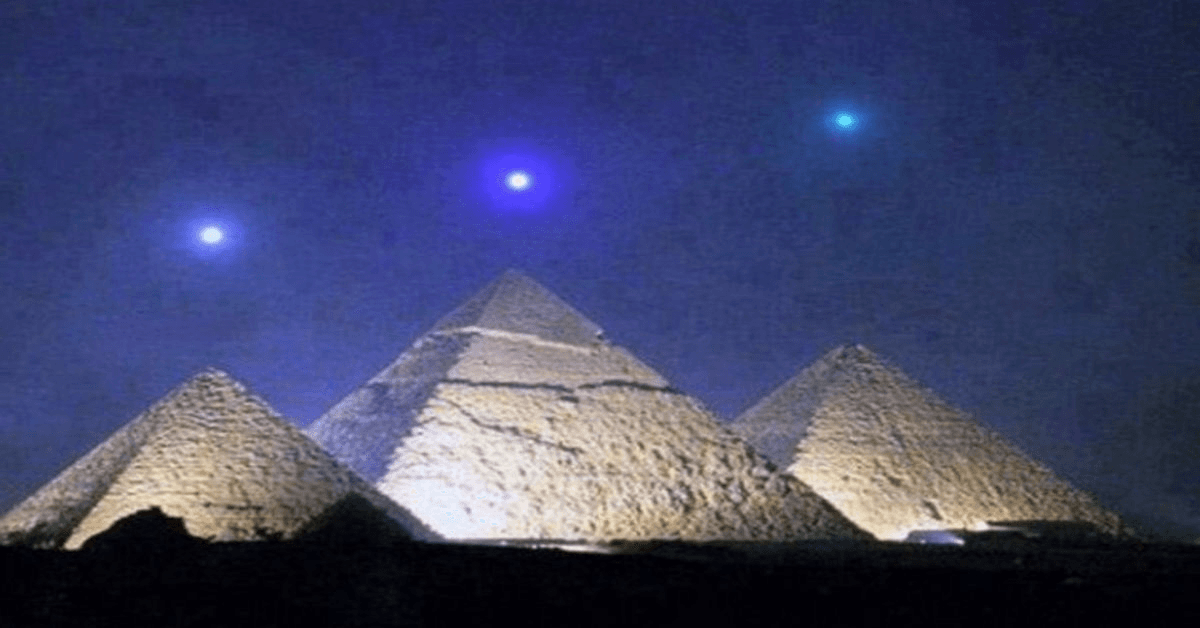
Great Pyramids of Giza– A blood moon is one of the most breathtaking and dramatic celestial events that captures the imagination of skywatchers around the world. During a total lunar eclipse, the Moon takes on a deep red or coppery hue, standing out against the dark night sky. This rare phenomenon has fascinated humanity for centuries, inspiring myths, legends, and awe. But what exactly causes the Moon to turn red, and how can we understand this remarkable spectacle through science?
What Happens During a Total Lunar Eclipse?
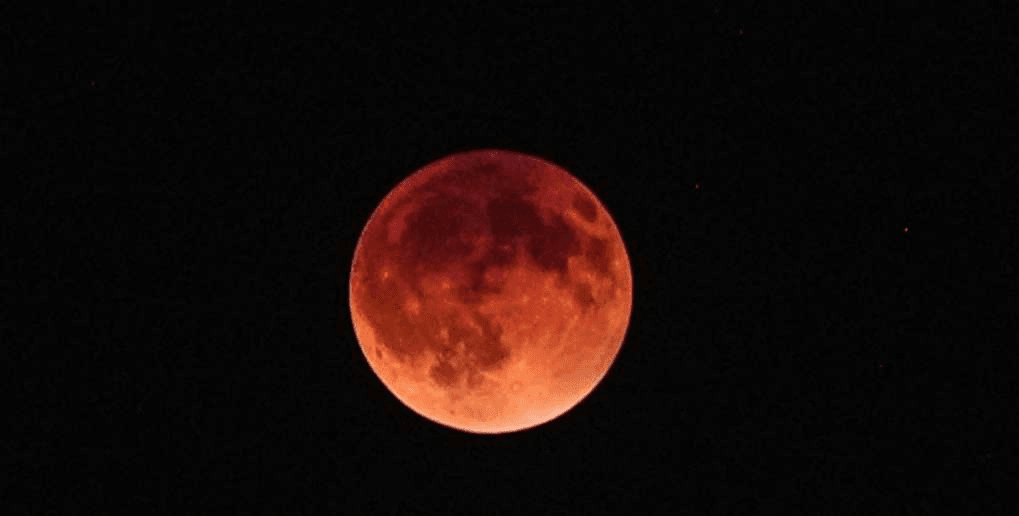
A blood moon occurs during a total lunar eclipse, a precise alignment in which the Earth moves directly between the Sun and the Moon. As the Earth casts its shadow over the Moon, sunlight is blocked from directly reaching the lunar surface. However, rather than the Moon turning completely dark, it gradually glows in various shades of red and orange.
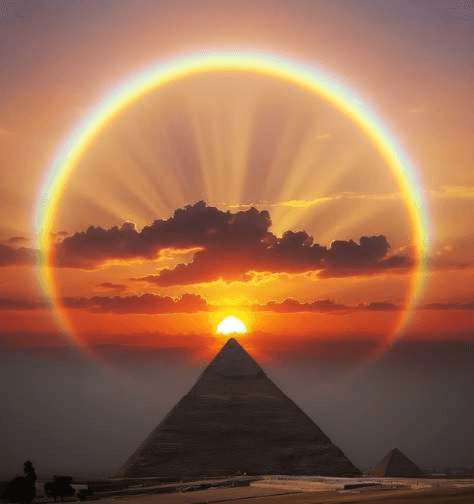
The key reason for this red transformation lies in how sunlight interacts with Earth’s atmosphere. As sunlight passes through the layers of Earth’s atmosphere, shorter wavelengths of light, such as blue and violet, are scattered in all directions by air molecules and tiny particles. This is the same reason why the sky appears blue during the day. Meanwhile, the longer red and orange wavelengths are less affected by scattering and pass through more easily.
Table of Contents
During a lunar eclipse, these red wavelengths are bent or refracted by Earth’s atmosphere and cast onto the Moon’s surface. The result is the striking, eerie red glow that gives the event its name: the “blood moon.”
Why Does the Color Vary?
No two blood moons look exactly the same. The shade of red can range from a faint coppery tint to a deep crimson, depending on several factors. One of the main influences is the condition of Earth’s atmosphere at the time of the eclipse.
For example, increased amounts of atmospheric dust, volcanic ash, or moisture can intensify the red hue. Large volcanic eruptions, in particular, can inject vast amounts of fine particles into the atmosphere, which further scatter shorter wavelengths and enhance the reddish glow. This is why some blood moons appear darker or more vivid than others.
Astronomers and observers also note that weather conditions and pollution levels in the observer’s region can impact how the event appears from Earth. A clear sky will allow for a more brilliant view, while hazy or polluted skies may dull the spectacle.
Myths, Legends, and Scientific Clarity
Throughout history, many cultures associated the blood moon with superstition and omens. In some traditions, a red moon was seen as a harbinger of disaster, war, or significant change. Ancient civilizations often linked lunar eclipses to the wrath of gods or cosmic battles, giving rise to colorful folklore.
However, modern science has provided a clear and precise explanation of this natural phenomenon. According to NASA, the reddish color is a direct result of Rayleigh scattering – the same physical principle responsible for blue skies and red sunsets. This makes the blood moon one of the most visually spectacular yet completely natural events in our solar system.
How to Safely Observe a Blood Moon
One of the greatest advantages of a lunar eclipse, compared to a solar eclipse, is that it is entirely safe to observe with the naked eye. Unlike the sun, which requires special protective glasses to view safely, the Moon’s dimmed red glow poses no risk to eyesight. In fact, many skywatchers use binoculars or telescopes to enhance their view, making the experience even more magical.
Timing is important when planning to witness a blood moon. The total phase of the eclipse, when the Moon is fully immersed in Earth’s shadow, typically lasts from a few minutes up to an hour. Local timings vary depending on your geographic location, so consulting NASA’s official eclipse schedule or local astronomical organizations is recommended for the best viewing experience.
A Spectacle of Celestial Mechanics
A blood moon is not just an extraordinary visual event; it is a testament to the precise and predictable movements of celestial bodies. The interplay of the Sun, Earth, and Moon during an eclipse demonstrates the beauty of orbital mechanics and the effects of Earth’s atmosphere.
As science continues to advance, our understanding of such phenomena becomes deeper, allowing us to appreciate them not just as mysterious omens, but as incredible natural occurrences governed by the laws of physics. With the next total lunar eclipses scheduled in the coming years, millions of astronomy enthusiasts and casual observers alike will once again have the chance to witness this awe-inspiring event.
Conclusion
The blood moon remains one of nature’s most mesmerizing displays, combining the elegance of astronomy with the drama of vivid red hues. Thanks to scientific explanation, we now know it is caused by the Earth’s atmosphere filtering sunlight and refracting the red wavelengths onto the Moon during a total lunar eclipse.
Whether viewed as a once-in-a-lifetime spectacle or a regularly anticipated event, a blood moon continues to connect us to the cosmic dance of the solar system. Next time the skies turn red, we can look up with wonder and confidence, knowing exactly why the Moon appears to glow like a fiery orb in the night.