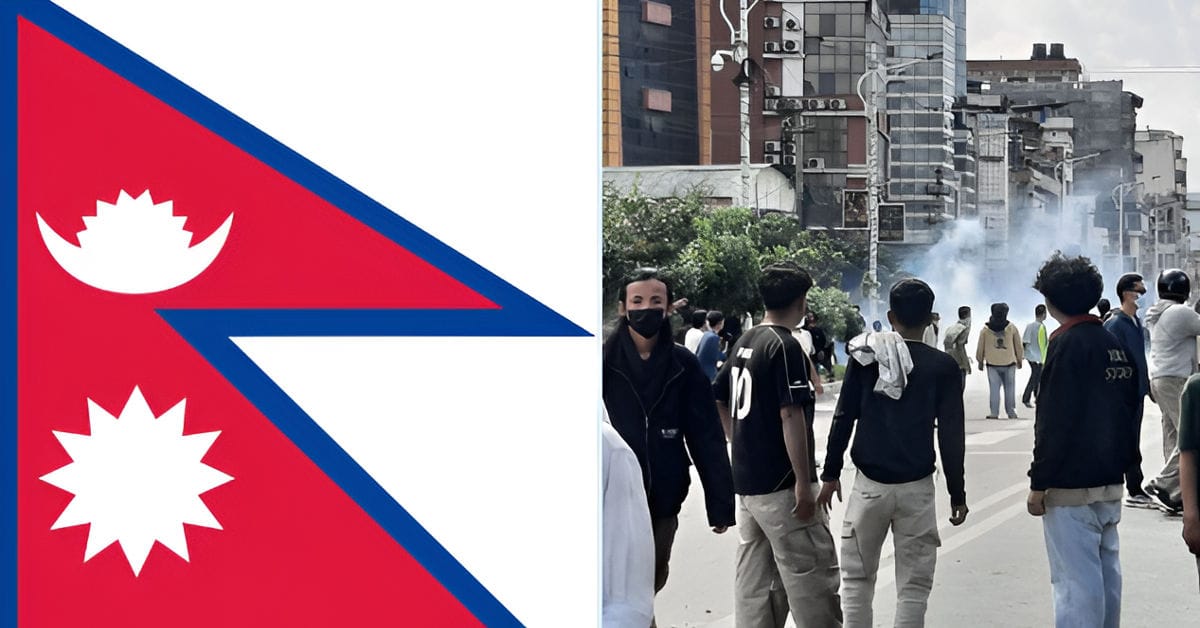
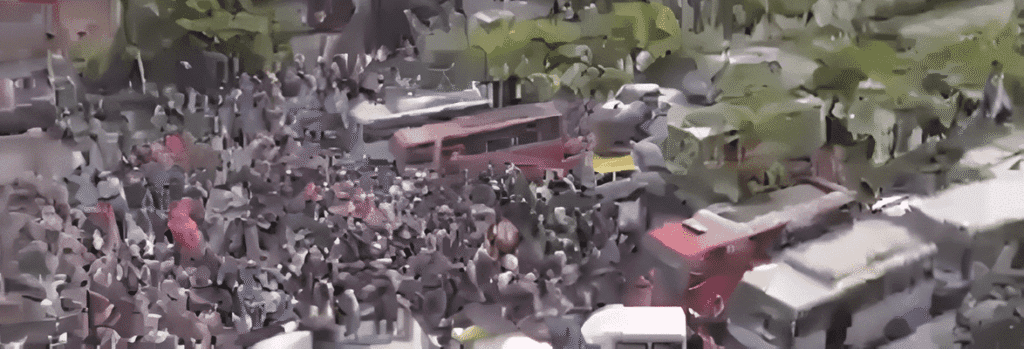
Nineteen people have died and more than 300 have been injured as thousands of young Nepalese citizens took to the streets to protest the government’s decision to ban 26 social media platforms, including Facebook, YouTube, and X (formerly Twitter). The protests began in the capital city of Kathmandu and have now spread to other parts of the Himalayan nation.
The government imposed a curfew in several key areas, including Baneshwor, Singhadurbar, Narayanhiti, and other important government zones, to try to control the growing unrest. Police responded by firing rubber bullets and teargas to disperse the crowds. A protest leader later told the demonstrators to step back, warning that vested interests had infiltrated the crowd to provoke violence. He also said, “We have already won today.”
As the situation escalated, Prime Minister KP Sharma Oli called an emergency cabinet meeting, and the Army was deployed in New Baneshwor to control the violent protests.
Why Did the Protests Start?
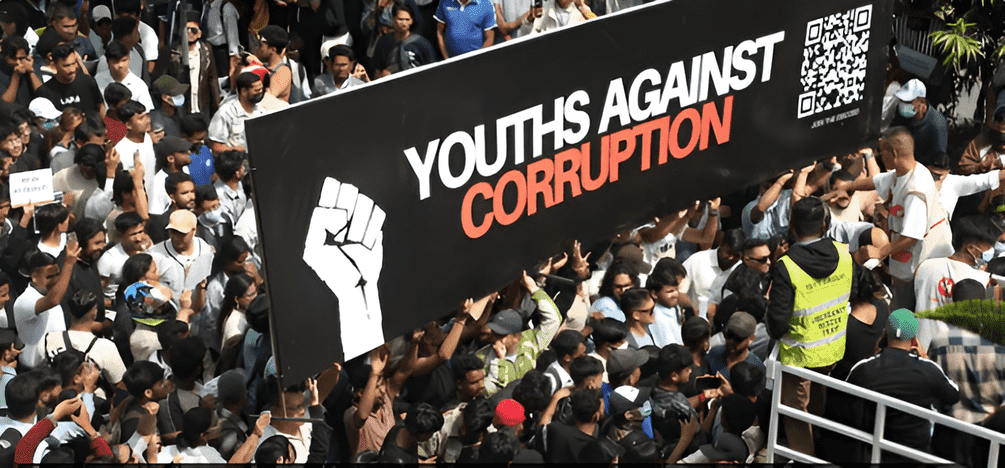
Table of Contents
The main trigger for the protests was the government’s recent decision to block several major social media platforms. On Thursday, the Nepalese government banned sites like Facebook, Instagram, YouTube, X (Twitter), Reddit, and LinkedIn. This action came after these platforms failed to register with Nepal’s Ministry of Communication and Information Technology.
A notice from the government had given these companies a deadline starting from August 28 to apply for registration. The Supreme Court of Nepal had earlier ordered that social media companies must have a point of contact in Nepal and appoint grievance handling and compliance officers. Despite the deadline, none of the major platforms submitted applications on time.
However, some apps like TikTok, Viber, Witk, Nimbuzz, and Popo Live had already completed registration and continued to work in Nepal. The government was still reviewing applications from Telegram and Global Diary.
Social Media in Nepal
According to The Kathmandu Post, around 13.5 million Nepalese use Facebook, while Instagram has about 3.6 million users in the country. Social media plays a key role in daily life, not just for communication but also as a source of business, news, and entertainment. For many people, especially the younger generation, these platforms are essential tools to run small businesses, stay connected with the world, and express themselves.
When access to major social media platforms was suddenly cut off, many people felt their voices were being silenced. This led to massive protests, which quickly evolved from being about the social media ban to expressing anger about wider issues such as corruption and authoritarian governance.
Cause Of the Protesters
The protests are mainly led by students and young people who are frustrated with the government’s decisions. Yujan Rajbhandari, a 24-year-old student, told AFP, “We were triggered by the social media ban, but that is not the only reason we are gathered here. We are protesting against corruption that has been institutionalised in Nepal.”
Another protester, 20-year-old student Ikshama Tumrok, said the movement was against the government’s authoritarian behavior. “We want to see change. Others have endured this, but it has to end with our generation,” she explained.
Videos shared on social media, despite the ban, showed protesters chanting slogans and expressing their anger. One of the protesters asked, “When the leaders’ sons and daughters have a bright future, where is ours?” This sentiment reflects the deep frustration many young Nepalese feel about the country’s political system, where corruption is widespread and opportunities for the average citizen are limited.
Government’s Response
In response to the growing protests, the Nepalese government issued a statement claiming that it respects freedom of thought and expression. The government said it was committed to “creating an environment for their protection and unfettered use.” However, critics say this statement did not match the government’s actions of banning major social media platforms and cracking down on protests.
READ ALSO- Jaishankar to Represent India at Brazil-Led BRICS Virtual Summit on Trump Tariffs
Before this major ban, the government had already blocked access to Telegram, a popular messaging app. The reason given was that Telegram was being used for online fraud and money laundering activities. This earlier action raised concerns that the government was increasingly trying to control the internet and limit freedom of expression.
International Reaction
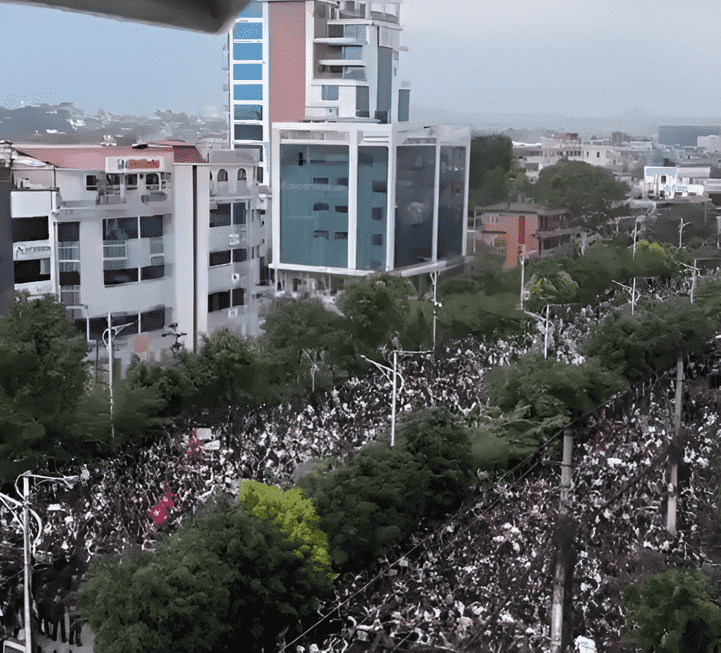
The move to ban social media and the violent crackdown on protests has attracted criticism from international human rights groups. Many see the ban as a direct attack on freedom of expression and a sign of the government’s authoritarian tendencies. Activists argue that instead of cracking down on platforms, the government should focus on working with companies to ensure they follow local laws while also respecting users’ rights.
Some international observers pointed out that in the digital age, blocking social media is not a long-term solution and will only make people more determined to fight for their rights. Many Nepalese protesters continued to share videos and messages using VPNs and other methods to bypass the ban.
What Is The Next?
The protests are still ongoing, and the situation remains tense. The government’s next steps are uncertain, but the fact that the Army has been deployed shows how seriously the authorities are taking the unrest. Meanwhile, young protesters remain determined, calling for the end of corruption and authoritarian rule.
The social media ban may have been the immediate trigger, but the movement has now become a broader protest demanding political reform and accountability. As one protester said, “This is not just about social media. It is about our future.”
With both sides standing firm, the coming days will be crucial in determining whether the government will soften its stance or if the protests will intensify further. What is clear is that the voices of Nepal’s youth are louder than ever.