
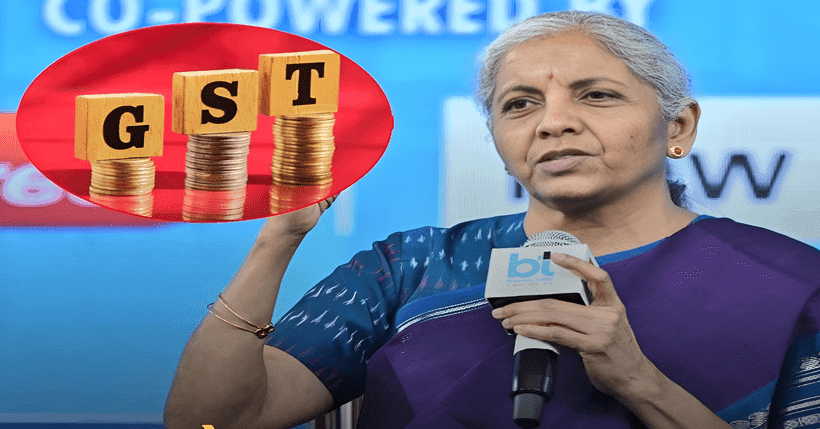
The tax cut from 28% to 18% on small cars and commuter bikes is significant. A hatchback with an ex-factory price of ₹6 lakh could now cost about ₹60,000 less.
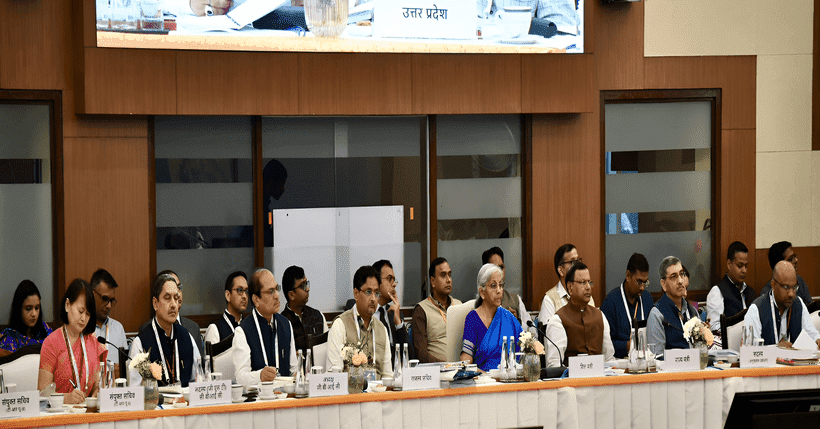
The GST Council has slashed taxes on small cars, commuter bikes (up to 350cc), and three-wheelers. Starting September 22, coinciding with the first day of Navaratri, these vehicles will attract just 18% GST instead of 28%. This makes buying entry-level cars, bikes, and autos more affordable this festive season. Meanwhile, luxury cars and big bikes will now face a higher 40% GST—still marginally lower than previous rates.
What qualifies as a small car?
A car is eligible for the reduced 18% GST rate if it meets these criteria:
- Petrol engine up to 1200cc or diesel engine up to 1500cc
- Overall length under 4 meters
Examples include Maruti Dzire, Kia Sonet, and other compact sedans or hatchbacks.
Which vehicles qualify for the 18% GST rate?
- Small cars meeting the specified engine and size limits
- Bikes up to 350cc, such as the Royal Enfield Bullet or Classic 350
- Hybrid cars (Petrol/LPG/CNG up to 1200cc or diesel up to 1500cc, length under 4m), like the Brezza S-CNG or Nexon CNG
Table of Contents
Who pays more?
Larger hybrids, big petrol or diesel SUVs, and premium models like the Maruti Grand Vitara, Toyota Innova Hycross, or the upcoming Maruti Victoris now fall under the 40% GST slab.
What now falls under the 40% GST slab?
The GST Council has introduced a 40% tax category for luxury and premium vehicles. The following will now attract higher rates:
- Big bikes above 350cc – e.g., KTM Duke 390, Triumph Speed 400, and other premium motorcycles
- Large and mid-size cars – Petrol cars above 1200cc or diesel above 1500cc, longer than 4 meters (e.g., Hyundai Creta, Kia Seltos)
- Bigger hybrids – Petrol/LPG/CNG cars over 1200cc (or diesel above 1500cc) and over 4 meters, like the Maruti Grand Vitara, Honda City e:HEV, or upcoming Maruti Victoris CNG
- Luxury lifestyle vehicles – Private aircraft, yachts, and other high-end recreational vehicles
Not just small cars — bigger ones get cheaper too
It’s not only entry-level cars benefiting from the tax cuts. Larger models (over 4m in length or with engines above 1500cc) are now more affordable as well. Popular SUVs like the Hyundai Creta, Kia Seltos, Tata Harrier, Mahindra XUV700, and Scorpio N will see price drops.
Previously, these vehicles attracted nearly 50% tax (including a 22% compensation cess). With the cess scrapped, they now fall under a flat 40% GST slab.
Commercial vehicles & spare parts
The GST Council has eased taxation for businesses:
- Buses, trucks, and ambulances will now attract 18% GST, down from 28%.
- Auto parts have been unified under a single 18% tax rate, eliminating confusion from multiple tax codes.
RWEAD ALSO – Yamuna Flooding Submerges Delhi Streets and Markets
Electric vehicles remain at 5%
There’s no change for EVs — they continue to be the most tax-friendly option, attracting just 5% GST on electric cars, bikes, and three-wheelers.
However, uncertainty remains around luxury EVs and whether a price cap may be introduced in the future.
Why it matters
The GST cut from 28% to 18% on small cars and commuter bikes is a major relief. For instance, a hatchback priced at ₹6 lakh (ex-factory) could now be nearly ₹60,000 cheaper. With auto sales slowing, this reform serves as a festive-season boost. Entry-level cars and bikes become more affordable, while even luxury models see slight price drops.