
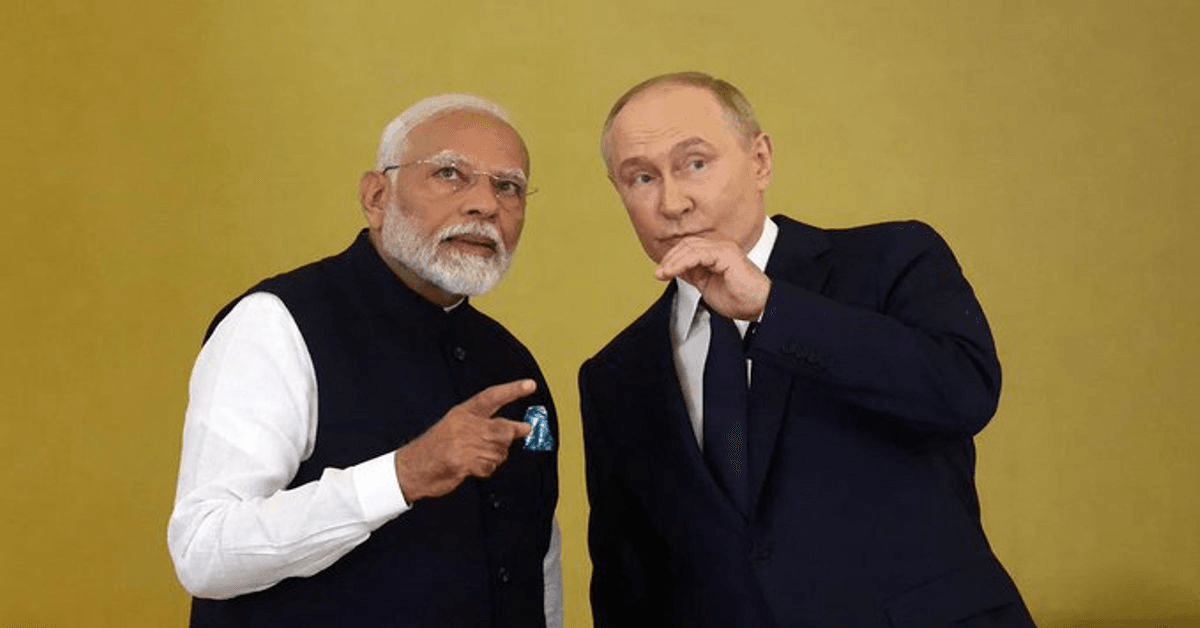
“Amid trade tensions with the US, India reaffirmed its right to prioritize national interests in both oil imports from Russia and future trade deals. Ministers S. Jaishankar and Piyush Goyal stressed that India’s trade choices are driven by national priorities rather than external pressures. While looming tariffs pose challenges, Indian businesses remain optimistic as the government works on strategies to strengthen global trade partnerships.”
“Amid growing pressure from the Trump administration, India has asserted that both its trade agreements with the US and crude oil purchases from Russia will be guided solely by national interest. Indian exports now face 50% tariffs in the US starting August 27, following the 25% ‘reciprocal’ tariff imposed on August 7. An additional 25% US levy targeting India’s crude oil trade with Russia is also expected to take effect from August 27.”
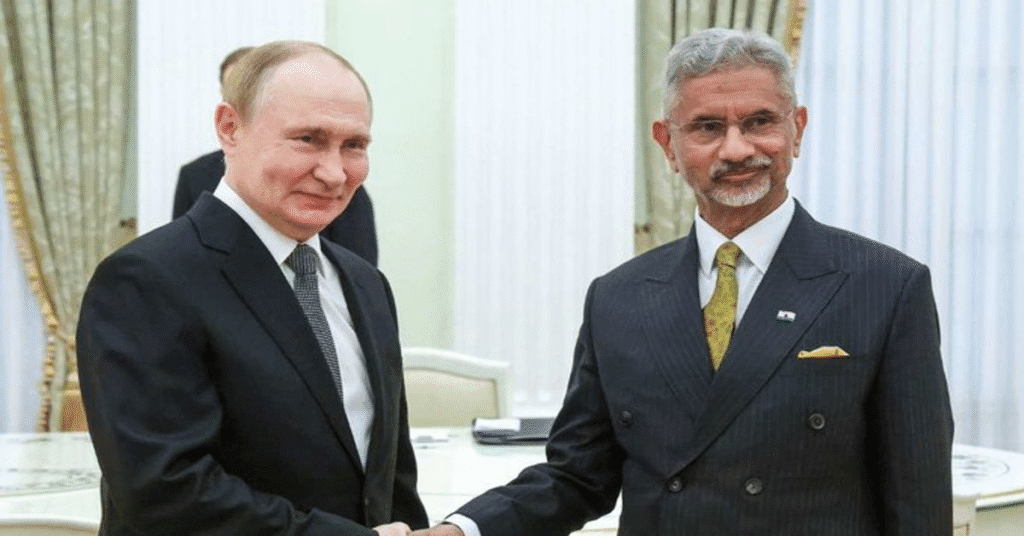
“The government has criticized the Trump administration’s pressure tactics in trade negotiations and rejected claims that crude oil imports from Russia are funding the Ukraine war.”
Speaking at the Economic Times World Leaders Forum, External Affairs Minister S. Jaishankar and Commerce Minister Piyush Goyal defended India’s right to safeguard its national interests, stressing that the trade deal will have clear ‘red lines.’
India reaffirms firm position on importing Russian crude oil
Responding to accusations of profiteering from Russian crude oil, Jaishankar remarked, ‘It’s ironic that officials from a pro-business American administration are accusing others of doing business.
If anyone has an issue with buying or refining oil, then simply don’t buy it. Nobody is being forced—Europe buys, America buys. If you don’t like it, don’t buy it.
Reflecting on the 2022 oil price surge, he noted the global anxiety at the time and recalled that India’s decision to buy Russian oil was widely supported, as it helped stabilize market prices.
Jaishankar emphasized that oil purchases serve a dual purpose: while securing national interests, they also help stabilize global oil prices, underscoring their broader market impact.
On India-Russia relations, Jaishankar said his Moscow visit after the Alaska meeting focused on annual bilateral cooperation. ‘We want to expand trade with Russia,’ he noted, while reiterating clear stance on the Ukraine conflict: ‘Our position is well-defined—we seek an early resolution to the Russia-Ukraine issue.
India clear on ‘what drives a deal’
Commerce Minister Piyush Goyal stressed that trade agreements are determined by national interests, not geopolitical pressures. Speaking at the event on Friday, he underlined that while ties with the US remain ‘very consequential,’ trade decisions are guided solely by national priorities. Goyal added that views trade and geopolitics as separate domains, each addressed with distinct approaches.
Geopolitical considerations or optics will never dictate trade decisions,” Goyal affirmed. “We are multilateral in every sense, but when it comes to opening markets and expanding trade, the priorities of our stakeholders—their views and best interests—remain paramount. What drives any deal is simple: what benefits Indian industry and the nation.
On ongoing trade talks with the US, Jaishankar stressed that will hold firm on key issues. ‘We have red lines in these negotiations, and we must be clear about them,’ he said, adding that protecting the interests of farmers and small businesses remains a top priority.
On India-US relations, Jaishankar highlighted that communication remains open despite differences. ‘We are two major countries—we need to keep talking, and we will see how it goes,’ he said.
At present, there are challenges, and we’ve been open about them, but it’s not as though we haven’t faced issues before. Other aspects of the relationship remain strong,” he said.
BRICS and India-China Relations
Jaishankar noted that ties with major global powers such as the US and China have witnessed phases of both cooperation and friction, yet overall remain on a positive trajectory. On international groupings, he remarked, The Quad is still the Quad, and BRICS is still BRICS. Countries like us should not be compelled to make binary choices.
ALSO READ – Trump Nominates Sergio Gor as U.S. Ambassador to India: A Trusted Aide for a Critical Role
India Inc is ‘Super-Confident’ About Growth
“Despite tariff challenges, Indian businesses remain optimistic, Commerce Minister Piyush Goyal said, noting that companies have shared alternative strategies and expressed strong confidence that their performance will surpass last year’s results. The government, he added, is taking a measured approach to address concerns.
Goyal emphasized that pursuing a strategic and pragmatic course rather than rushing into decisions. His ministry, along with other departments, is assessing how India’s strengths can align with global economies to further enhance international trade partnerships.
We could consider buying more of what we need from them and selling more of what they need from us. There are various ways to ease the current situation until a settlement is reached,” he said