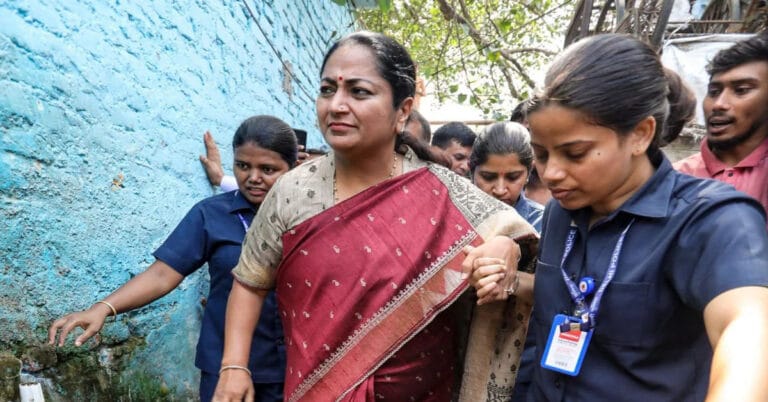

In a shocking incident that has sparked outrage and political debate, Delhi Chief Minister Rekha Gupta was attacked during a public hearing session at her residence on Wednesday morning. The incident has raised serious concerns about the security arrangements at the Chief Minister’s residence and the safety of leaders during public interactions.
According to officials, the Chief Minister suffered injuries to her hand and head after she was slapped, pushed, and had her hair pulled by the attacker. Medical teams were immediately called in to examine her condition.
The Attack
The attack occurred during the Chief Minister’s weekly ‘Jansunwai’—a public grievance hearing held at her residence to directly address citizens’ concerns.
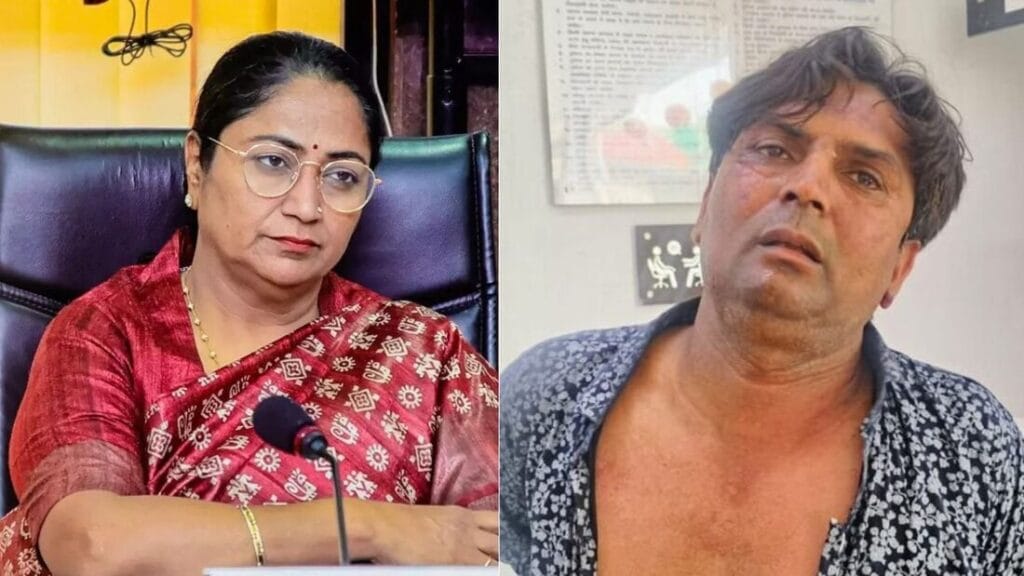
Eyewitnesses reported that the assailant, later identified as Rajesh Sakriya, a man in his 40s from Rajkot in Gujarat, approached the Chief Minister while holding a set of papers. Initially, he appeared to be presenting his grievances like any other citizen. However, within moments, he launched a physical attack on the Chief Minister.
According to eyewitness accounts, Rajesh slapped the Chief Minister, shoved her, and pulled her hair before security personnel quickly overpowered him. The man was then taken into custody and is currently being interrogated by Delhi Police.
Preliminary investigations have revealed that Rajesh Sakriya hails from Rajkot, Gujarat. His family members, including his mother Bhanu, have spoken to media outlets, claiming that Rajesh is a dog lover who was deeply disturbed by the Supreme Court’s recent ruling on stray dogs.
The Supreme Court had recently directed civic bodies in Delhi-NCR to round up stray dogs and shift them to shelters, a move that animal lovers across the country have criticized. According to Bhanu, her son was “emotionally disturbed” by this decision, and this may have motivated his outburst.
Sources have indicated that Rajesh had been distressed for several days and had traveled specifically to Delhi, where he managed to enter the Chief Minister’s public hearing session under the pretext of raising his concern.
Premeditated Assault, Says CMO
The Chief Minister’s Office (CMO) has strongly condemned the incident, describing it as a premeditated attack rather than an impulsive outburst. In a statement released after reviewing CCTV footage from the Chief Minister’s residence, the CMO revealed that Rajesh had been seen conducting a recce of the premises a day before the assault.
“CCTV footage has revealed that the attacker had begun preparations for the assault at least 24 hours in advance. The footage shows him recording videos near the CM’s residence, carefully observing movements, and then executing a preplanned assault,” the CMO said.
The footage has been handed over to Delhi Police, and an in-depth investigation is underway to determine whether Rajesh acted alone or if he had backing from any political or organizational groups.
Political Reactions
The incident has triggered widespread political reactions across party lines. Leaders from both the ruling Bharatiya Janata Party (BJP) and the opposition Aam Aadmi Party (AAP) condemned the attack but also accused one another of failing to ensure law and order in the capital.
Senior BJP leader Harish Khurana strongly denounced the attack and emphasized the need for an impartial investigation:
“One person present at the meeting attacked the Chief Minister. Right now, doctors are examining the Chief Minister. We condemn the attack. It should be investigated if this attack was politically motivated.”
Delhi minister Manjinder Singh Sirsa went a step further, alleging that rivals who are envious of Rekha Gupta’s popularity and ground-level work might be behind the incident.
ALSO READ– South Korean Woman Learns Cultural Lesson in Turkey After ‘Peace Sign’
“Political opponents cannot tolerate the Chief Minister’s work among the people. We suspect this could be part of a larger conspiracy. A thorough probe is essential to find out who is backing the attacker,” he said.
Meanwhile, Atishi, Leader of the Opposition and senior AAP leader, also issued a statement condemning the violence.
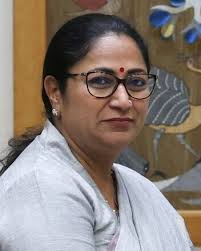
“The attack on Delhi’s Chief Minister Rekha Gupta is highly condemnable. In a democracy, there is a place for disagreement and protest, but there is no place for violence. We hope Delhi Police will take the strictest action against the culprits. Our first concern is the Chief Minister’s health and safety,” she said.
Eyewitness Accounts
Several eyewitnesses who were present at the ‘Jansunwai’ session described the incident as sudden and shocking. One attendee recounted how Rajesh seemed calm at first, speaking to the Chief Minister while holding some documents.
“He was speaking softly, then suddenly slapped her. Everyone was shocked. Before anyone could react, he pushed her and pulled her hair. The security rushed in immediately and restrained him,” said the eyewitness.
The suddenness of the attack has raised questions about how the attacker was allowed to get so close to the Chief Minister without undergoing stricter security checks.
Security Concerns
The incident has placed the spotlight on a major security lapse. The Delhi Police has launched a full-scale inquiry into how Rajesh was able to gain entry into the Chief Minister’s residence, approach her at close range, and launch a physical attack before security intervened.
According to police sources, the Delhi Police Commissioner, SBK Singh, will personally monitor the inquiry. The probe will examine not only the attacker’s motives but also the adequacy of the security arrangements at high-profile public hearings.
The police have also been tasked with verifying whether Rajesh has any political affiliations or ties to organizations that could have influenced his actions.
Broader Implications
This shocking incident highlights the vulnerability of public leaders during open forums where citizens are allowed direct access. While such events are crucial for building trust between leaders and the public, they also create significant security risks.
The Chief Minister’s decision to hold weekly grievance hearings at her residence has been praised as a step toward transparency and accessibility. However, the attack raises questions about how such initiatives can be balanced with necessary safety protocols.
Experts suggest that going forward, stricter screening measures may be required for attendees of such events. Random background checks, frisking, and closer monitoring of unusual behavior could help prevent similar incidents in the future.
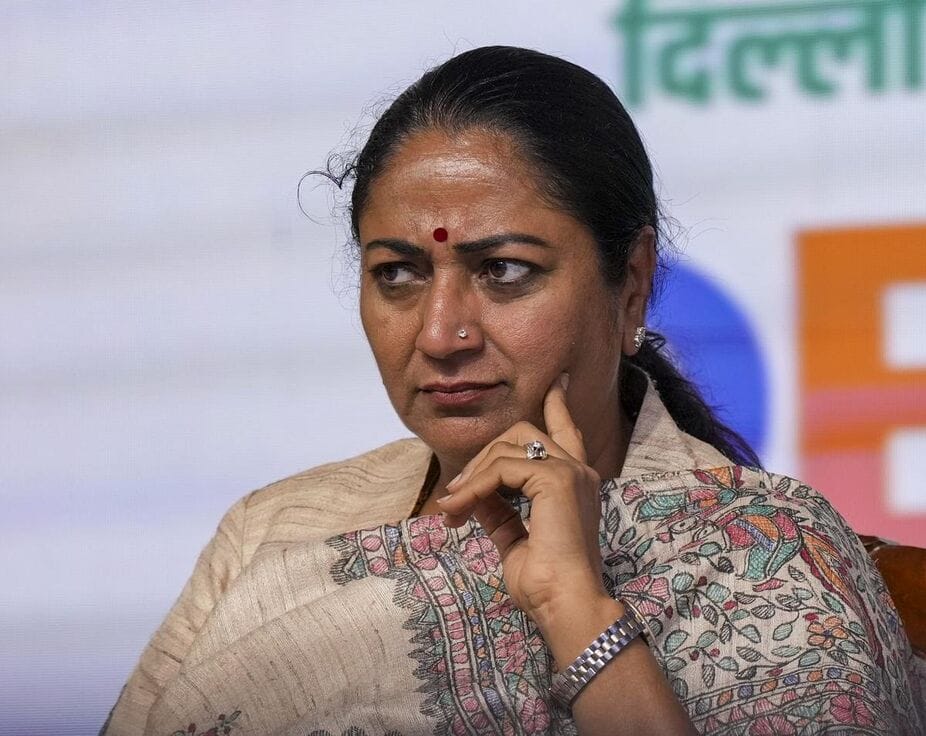
The attack on Chief Minister Rekha Gupta has left Delhi’s political landscape shaken. While the immediate priority remains her recovery, the incident has opened up larger debates on political security, democratic engagement, and the risks leaders face in staying connected with the public.
The identity and motivations of the attacker, Rajesh Sakriya, continue to be investigated, with police examining both personal grievances and possible political links. The Supreme Court’s ruling on stray dogs appears to have played a role in his anger, but authorities are not ruling out deeper conspiracies.
As Delhi Police’s inquiry progresses, one thing is clear: this was more than just an isolated act of aggression. It was a serious breach of security with potential political overtones. How the government and law enforcement address these concerns in the coming days will determine whether such incidents can be prevented in the future.
For now, political parties across the spectrum have united in condemning the assault, reaffirming that violence has no place in a democracy.

 By
By