
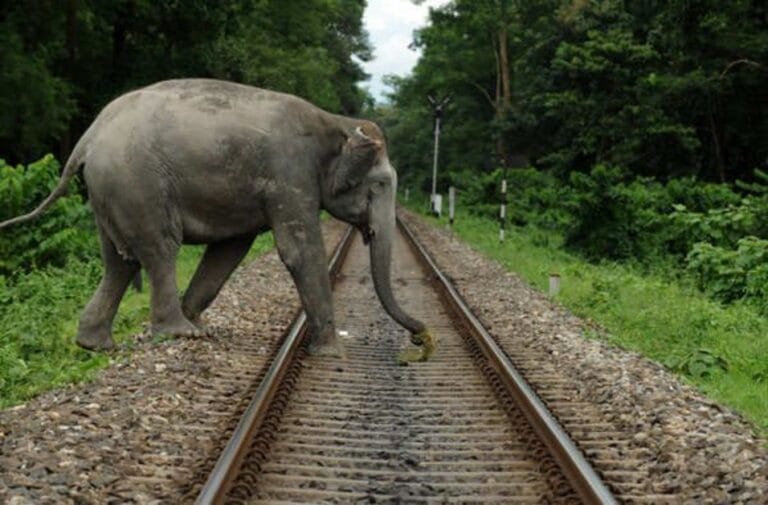

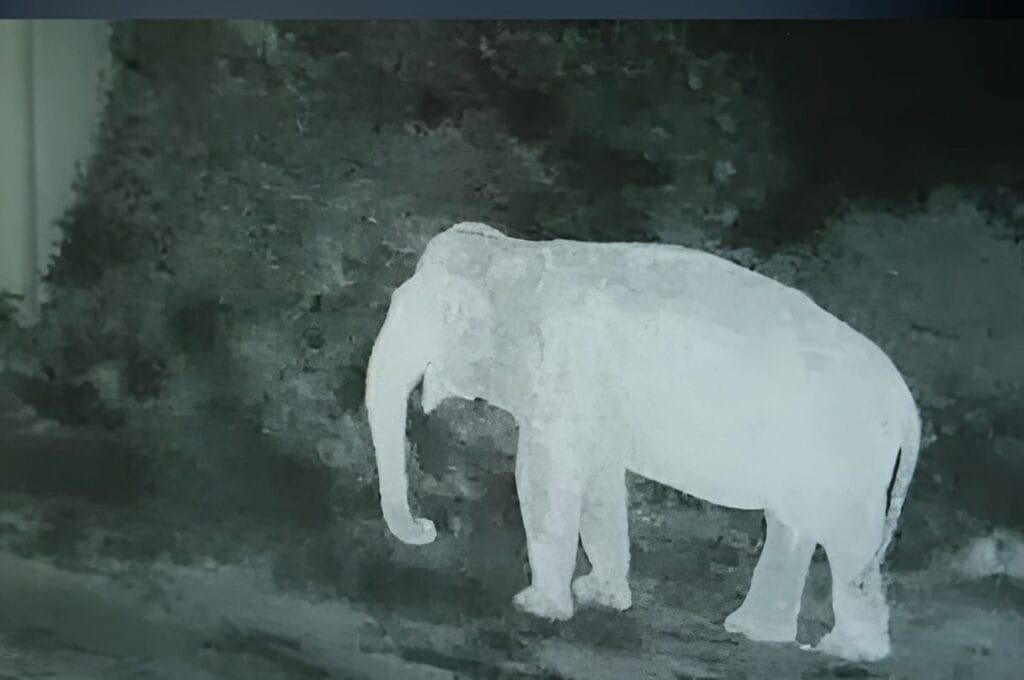
The Tamil Nadu Forest Department has shared a heartwarming video that is winning praise across social media — a family of elephants strolling calmly across a railway track in Madukkarai, Coimbatore, without the looming threat of oncoming trains. This safe crossing, officials say, is no accident. It is the result of a cutting-edge, AI-powered early warning system that has already helped thousands of elephants pass railway tracks without harm.
The department’s post on X (formerly Twitter) proudly highlighted the success of the system: ” in proves what’s possible whe technology meets commitment. In madukkarai, the AI-powered early warming system has ensured zero elephant deaths on rail tracks since Nov 2023. 12 towers, 24 cameras,6,592 safe crossing,25 forest staff on watch. every elephant matters.”
A Long-standing Problem
For years, elephant deaths on railway tracks have been a distressing problem in several parts of India. Many elephant corridors — the natural paths elephants use to travel between habitats — intersect with railway lines. This has led to tragic incidents where herds have been struck by speeding trains, especially during the night or in low-visibility conditions.
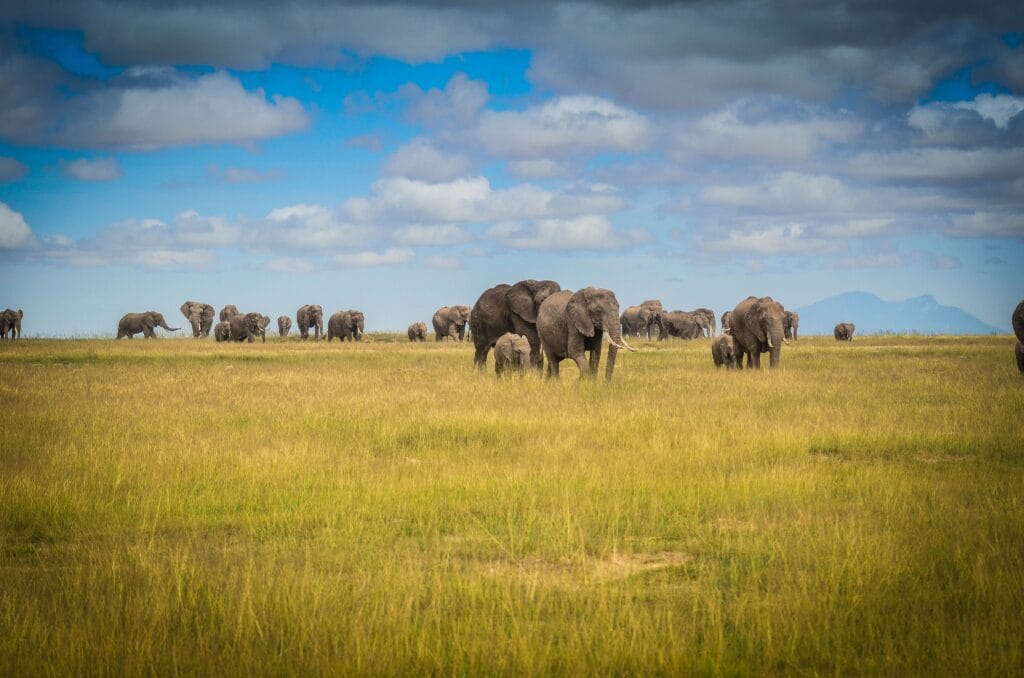
Madukkarai, located near Coimbatore, is one such hotspot. The area sits close to the Western Ghats, a region known for its rich wildlife, and the railway lines here cut through elephant movement paths. With trains operating on strict schedules and elephants moving unpredictably, the risks were high — until technology stepped in.
How the AI-Powered System Works
The AI-powered early warning system installed in Madukkarai is a blend of advanced surveillance and constant human monitoring. Spread across 12 towers and equipped with 24 high-resolution cameras, the system keeps a round-the-clock watch over key crossing points.
When the cameras detect elephant movement near the railway tracks, the AI software instantly analyses the feed and triggers an alert. This alert is sent to 25 on-duty forest staff members, who then coordinate with railway authorities to either slow down or halt approaching trains.
The system’s precision and speed are critical. Elephants often move in herds that include calves, and any delay in alerting train drivers could be fatal. The combination of technology and human vigilance ensures that these crossings happen without panic or injury.
Over 6,500 Safe Crossings in Less Than a Year
Since its installation in November 2023, the system has already recorded 6,592 safe crossings — a remarkable achievement considering the relatively short time frame. What’s even more significant is that there have been zero elephant deaths on these monitored railway tracks during this period.
This success underscores how technology, when thoughtfully implemented, can resolve long-standing conservation challenges. It also shows the importance of collaboration between the forest department, railway authorities, and local communities.
A Glimpse of the Elephants’ Journey
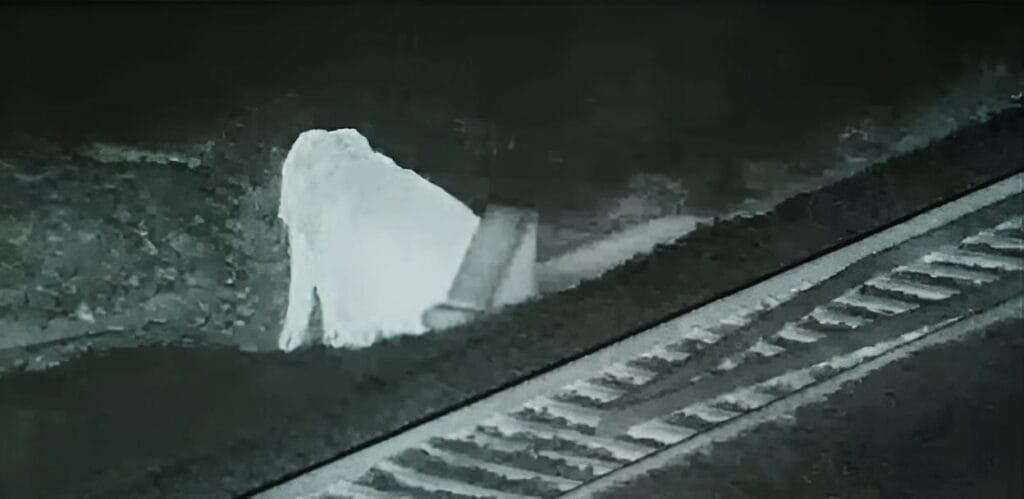
The video shared by the Tamil Nadu Forest Department captures more than just a safe crossing; it’s a glimpse into the quiet dignity of the elephants’ lives. The clip shows the family stepping onto the tracks, their large frames silhouetted against the greenery. They move unhurriedly, the adults leading the way while younger ones follow closely behind.
There’s no fear in their steps — only the steady, deliberate pace of animals that know they are not in immediate danger. For viewers, it’s a powerful reminder that coexistence between humans and wildlife is not only possible but essential.
Technology Meets Commitment
The forest department’s statement — “Every elephant matters” — is not just a slogan. It reflects a deep commitment to protecting one of India’s most iconic species. Elephants are not only ecologically important but also hold cultural and spiritual significance across the country.
In Madukkarai, the use of AI technology is paired with constant on-ground vigilance. Forest staff work in shifts to ensure the system operates smoothly, and any technical glitches are addressed immediately. Their role is as vital as the technology itself, proving that conservation requires both innovation and dedication.
READ ALSO-Denmark Sohi Explain Why She Gave Her Daughter Feed To Zoo Lion
The Bigger Picture
While Madukkarai’s success is encouraging, experts believe that similar systems need to be installed in other vulnerable areas across India. States like Assam, West Bengal, and Odisha also report frequent elephant deaths on railway tracks, and adopting AI-powered monitoring could significantly reduce these incidents.
Beyond elephants, such systems could be adapted to protect other species that face threats from transport infrastructure, including leopards, deer, and even smaller animals.
A Model for the Future
The Madukkarai project is already being seen as a model for wildlife conservation in the age of technology. It demonstrates that with the right mix of innovation, funding, and inter-departmental coordination, it is possible to create safer environments for wildlife without disrupting essential human activities like train travel.
As the Tamil Nadu Forest Department continues to share updates and success stories, the hope is that this model will inspire similar initiatives elsewhere. For now, each safe passage recorded in Madukkarai is more than just a statistic — it’s a life saved, a tragedy averted, and a step toward a future where animals and humans can share the land without fatal conflict.


 By
By