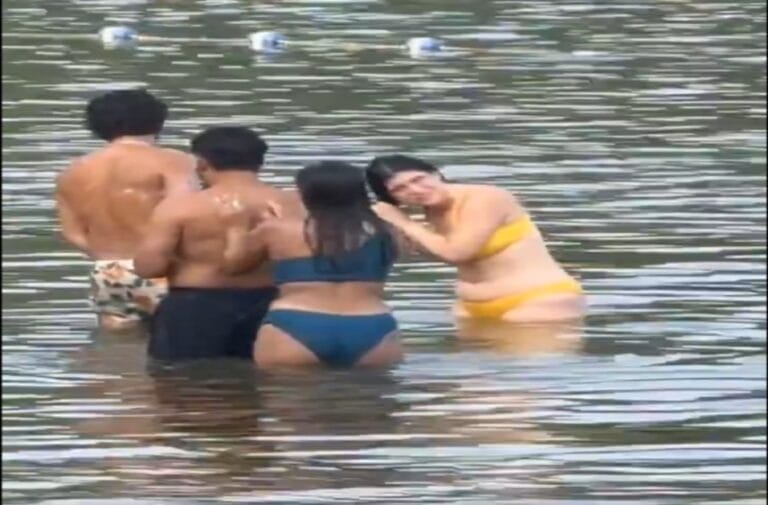

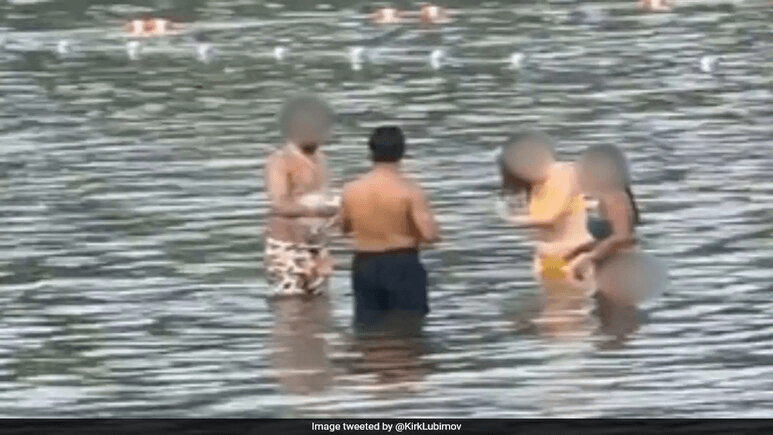
A viral video showing a group of people bathing with soap in a public lake in Brampton, Canada, has triggered widespread outrage, sparking concerns about environmental damage and prompting calls for better public awareness.
The Incident
The video, shared on (formerly Twitter) by user Kirk Lubimov, shows two couples standing in shallow lake water, lathering themselves with soap and rinsing off in full view of other visitors. The incident reportedly took place at a public lake in Brampton, Ontario, a popular recreational spot for locals.
In his post, Lubimov criticized the act, writing, canada’s beaches are turning into baths for foreigners. Canada’s trancfoemtion into a third-world country is happening daily. ” His comment, which also hinted at the nationality of the individuals, drew further debate online. While some users suggested the group might be of Indian origin, India Today could not independently verify the nationality of those in the video.
Environmental Concerns
And where does the chemicals from the soaps go ahem right into that water to harm wildlife omg Canada is cooked USE YOUR BATH SHOWER AT HOME https://t.co/cZSrcn0ux8
— Truth Shack™️ (@truthshackbrah) August 9, 2025
While the video sparked heated cultural and political debate, many viewers focused on the environmental consequences of bathing with soap in open water. Several social media users pointed out that soaps and detergents contain chemicals that can be harmful to aquatic ecosystems.
“I thought it was forbidden to do that. Soap is polluting the water,” one commenter wrote. Another added, “That soap is awful for the environment.”
Environmental experts have long warned that introducing chemical substances, even in small amounts, into lakes or rivers can disrupt the delicate balance of aquatic life. Many soaps contain phosphates, synthetic fragrances, and surfactants that reduce water quality, damage fish gills, and harm plant life. In some areas of Canada, bathing with soap in lakes and rivers is explicitly prohibited, not just to preserve water quality but also to protect wildlife.
Public Reaction: From Anger to Education
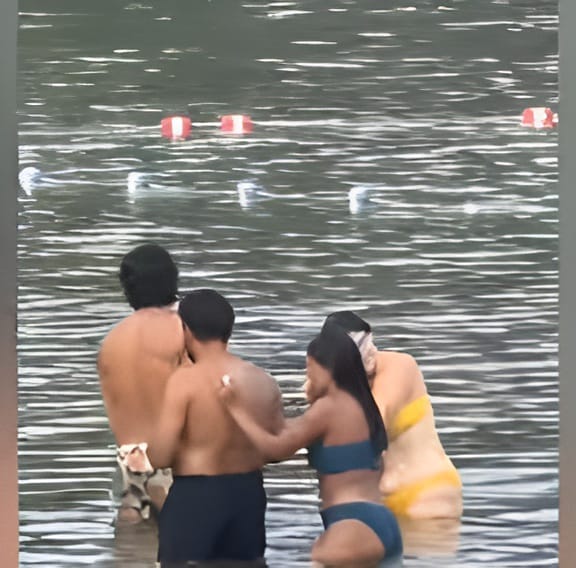
The viral clip, which has amassed over 5 million views, has prompted strong reactions from Canadians and environmental advocates alike. Many condemned the act as irresponsible and called for stricter rules and penalties for those who engage in such practices.
“This is terrible. No one should be washing in open water like this, it’s environmentally damaging,” one user commented. Another wrote, “Clearly, these individuals need awareness of what is okay versus not okay in a public water body.”
Others argued that education, rather than punishment, is the best approach to preventing such incidents in the future. Several commenters suggested that newcomers to Canada may not be aware of local environmental laws and practices, especially if such activities are common in their home countries.
Cultural Commentary and Controversy
While many discussions focused on the environmental aspect, some online comments took a harsher, more personal tone. A few users made comparisons with polluted rivers elsewhere in the world, including India’s Ganges River.
“Your waters will be like the Ganges before you know it,” one person wrote. Another bluntly commented, “Third worlders.”
Such remarks have drawn criticism from others who argue that the conversation should remain focused on environmental education and protection, rather than turning into a platform for cultural stereotyping.
Rules and Regulations in Canada
Canada’s environmental guidelines generally discourage or outright ban the use of soaps, shampoos, or detergents in natural water bodies. In national and provincial parks, these rules are often prominently displayed on signs near lakes and beaches.
Even biodegradable soaps, often marketed as eco-friendly, can still disrupt aquatic ecosystems if used directly in lakes or rivers. Environment Canada recommends washing at least 60 meters (200 feet) away from any natural water source to prevent runoff from entering the water.
Failure to comply with these rules can result in fines, especially in protected areas. However, enforcement in urban public lakes can be challenging without constant monitoring.
Calls for Action
The incident has led to renewed calls for public education campaigns about environmental etiquette in Canada’s parks and recreational areas. Advocates argue that multilingual signage, online awareness drives, and inclusion of environmental rules in newcomer orientation programs could help prevent similar incidents in the future.
“Education is key,” one environmental activist noted. “Many people simply do not know the harm caused by bathing with soap in lakes. The solution is to inform them, not just shame them.”
Others suggested installing more visible warning signs and deploying park rangers to monitor activities during peak summer months.
The Bigger Picture
The Brampton lake soap-bathing video is the latest example of how a single incident, amplified by social media, can ignite discussions on multiple fronts—environmental responsibility, cultural integration, and online discourse.
While the environmental impact of this specific case may be small, experts warn that if such practices were to become common, the cumulative damage could be significant. Protecting Canada’s freshwater ecosystems requires a combination of enforcement, public awareness, and respect for shared natural spaces.


 By
By